
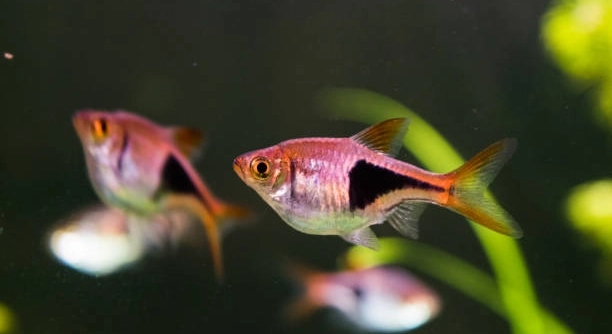
Rasboras are small, peaceful fish that thrive when kept in groups. They are popular choices for many aquariums due to their active schooling behavior. However, several factors can disturb their natural grouping, causing stress and behavioral changes.
Rasbora schools can be disrupted by sudden changes in water conditions, aggressive tank mates, inadequate tank size, poor diet, insufficient hiding spaces, inconsistent lighting, and overcrowding. Each of these factors interferes with their ability to school properly and maintain social harmony.
Knowing what disrupts rasbora schools helps create a calm and healthy environment for these lively fish. Understanding these causes can improve your aquarium setup and their overall well-being.
Sudden Changes in Water Conditions
Rasboras are sensitive to changes in their environment, especially water quality. Rapid shifts in temperature, pH, or hardness can stress these fish, causing them to break apart from their school. Even small fluctuations, such as those from water changes or a new filtration system, can disrupt their behavior. When water conditions become unstable, rasboras may become more cautious or hide away, reducing their natural schooling activity. Keeping water parameters stable and within recommended ranges helps rasboras feel secure. Regular testing and gradual adjustments make a big difference. Many hobbyists overlook the impact of subtle water changes, but these can be just as disruptive as major ones. Consistency is key to keeping rasbora schools intact and active.
Maintaining stable water conditions promotes peaceful schooling and reduces stress, helping the fish stay healthy and social.
To prevent disruption, always monitor your tank’s water closely. Introduce changes slowly, and make sure to use proper water conditioners. This care supports the natural behavior of rasboras and keeps your aquarium balanced.
Aggressive Tank Mates
Introducing aggressive or territorial fish can cause rasboras to scatter and stop schooling. Even fish that are only mildly aggressive may disturb their calm environment, forcing the rasboras to hide or swim alone. Rasboras prefer peaceful tank companions that won’t chase or nip at them. When aggressive fish are present, rasboras may lose trust in their group safety and break their school to avoid conflict. This behavior reduces their sense of security and can lead to increased stress or illness. Carefully choosing compatible species ensures a harmonious tank where rasboras can school naturally. Peaceful fish like small tetras or peaceful bottom dwellers often make good companions for rasboras. Avoiding aggressive species keeps the social structure of the school intact and your tank calmer overall.
Inadequate Tank Size
A small tank limits the space rasboras need to swim together comfortably. Crowding makes it harder for them to school naturally.
Rasboras need enough room to spread out and coordinate their movements smoothly. When the tank is too small, stress increases and schooling behavior breaks down. A larger tank also allows for better water quality, which supports their health and social habits. Keeping at least a 20-gallon tank for a small group is recommended.
Providing sufficient swimming space helps rasboras stay active and connected as a group. It reduces stress caused by cramped conditions and supports their natural instincts. Overcrowded tanks can lead to aggression or hiding, so space matters a lot for healthy schools.
Poor Diet
An unbalanced or inconsistent diet weakens rasboras and affects their behavior.
Rasboras need a mix of high-quality flakes, pellets, and occasional live or frozen foods to thrive. Without proper nutrition, they lose energy and may become less social or stop schooling. Feeding them a variety of foods rich in proteins and vitamins supports their vitality and bright coloration.
Skipping feedings or offering low-quality food can lead to health problems and disrupt the group dynamic. A well-fed school is more active, displays better colors, and stays closely connected. Regular, balanced feeding is essential for maintaining their natural schooling behavior and overall wellness.
Insufficient Hiding Spaces
Rasboras feel safer when they have places to hide. Without enough shelter, they may scatter or become stressed.
Plants, rocks, and decorations offer cover and reduce anxiety. This helps rasboras stay close together and school naturally.
Inconsistent Lighting
Lighting that changes suddenly or is too bright can disturb rasbora behavior. They prefer a stable day-night cycle to feel secure.
Avoid harsh lighting and use timers to keep a regular schedule. Consistent lighting supports their natural rhythms and schooling.
Overcrowding
Too many fish in one tank causes stress and disrupts schooling behavior. Rasboras need enough space to move freely and maintain group structure. Overcrowding leads to competition for food and oxygen, making the school break apart. Keeping an appropriate number of fish improves their comfort and social bonds.
Tank Environment Stress
Stress from loud noises, vibrations, or constant activity near the tank can upset rasboras. A calm and quiet environment helps them stay relaxed and school well.
FAQ
How many rasboras should be kept together for proper schooling?
Rasboras feel safest and most comfortable in groups of six or more. Smaller groups can cause stress and break their natural schooling behavior. Larger groups create a stronger sense of security, helping them swim in sync. Keeping at least six rasboras allows them to show their natural social traits and reduces anxiety.
What water parameters are ideal for rasbora schools?
Rasboras prefer slightly acidic to neutral pH, typically between 6.0 and 7.5. Water temperature should be stable around 72–78°F (22–26°C). Soft to moderately hard water is best. Keeping these parameters consistent avoids stress that can disrupt schooling. Frequent testing and gradual adjustments maintain a healthy environment.
Can aggressive fish live with rasboras?
No, aggressive or territorial fish usually disturb rasbora schools. Rasboras are peaceful and easily stressed by chasing or nipping. It’s best to keep them with calm, non-aggressive species to maintain natural schooling and reduce stress. Peaceful tank mates help preserve their social behavior.
How often should I feed rasboras?
Feed rasboras small amounts twice a day. Use a varied diet including flakes, pellets, and occasional live or frozen foods. Overfeeding or inconsistent feeding can weaken their health and affect schooling. Balanced, regular feeding keeps them energetic and social.
Why do rasboras stop schooling suddenly?
Sudden changes in water quality, aggressive tank mates, or stress from overcrowding often cause rasboras to stop schooling. Illness or poor nutrition can also affect their behavior. Check water conditions, tank mates, and diet if schooling breaks down, and adjust as needed.
What plants or decorations help rasboras feel secure?
Live or artificial plants, driftwood, and rocks provide hiding spots and reduce stress. Rasboras use these spaces to feel safe from potential threats. A well-decorated tank with plenty of cover encourages natural schooling and reduces anxiety.
Is lighting important for rasbora schools?
Yes, stable and moderate lighting supports rasbora behavior. Sudden or very bright lights can cause stress and disrupt schooling. Using a timer to keep consistent light cycles mimics their natural environment and helps them maintain calm schooling patterns.
How can I reduce stress in a rasbora tank?
Maintain stable water conditions, provide adequate space and hiding places, avoid aggressive fish, and keep consistent lighting. Minimize loud noises or vibrations near the tank. Stress reduction helps rasboras stay healthy and keep their natural school formation.
Can overcrowding cause health problems in rasboras?
Yes, overcrowding increases competition for food and oxygen and raises waste levels. This can weaken immune systems and cause illness. Overcrowded tanks also disrupt schooling and increase stress. Keeping a balanced number of fish ensures better health and social behavior.
What should I do if my rasboras seem stressed or scared?
Check water quality and tank mates first. Provide more hiding spaces and reduce lighting intensity if needed. Make sure the tank size is adequate and feeding is regular. Adjust these factors to create a calm, stable environment that supports natural schooling.
Final Thoughts
Rasboras are charming little fish that brighten up any aquarium with their lively schooling behavior. Keeping their school together takes some attention to detail, but it is worth the effort. Many common problems that disrupt their groups can be avoided with proper care. Stable water conditions, peaceful tank mates, and enough space are some of the key factors that help rasboras feel safe and comfortable. When their environment is right, they swim actively and display their natural, beautiful behavior.
It is important to remember that rasboras are sensitive to changes and stress. Sudden shifts in temperature or water quality, overcrowding, and aggressive fish can all cause them to scatter or hide. Offering plenty of hiding spots and maintaining a calm environment reduces their anxiety. Feeding them a balanced diet regularly also plays a big role in keeping them healthy and social. Watching how your rasboras behave will give you clues about their well-being and if any adjustments are needed. By meeting their basic needs, you help ensure their schooling remains strong and steady.
Overall, creating a suitable home for rasboras takes a bit of planning and care, but the rewards are clear. A happy school of rasboras adds movement and life to your tank, making it more enjoyable to watch. Taking time to understand what affects their schooling can prevent problems before they start. With a steady routine and attention to their environment, your rasboras can thrive together in a peaceful and healthy school. This simple approach supports their natural instincts and brings out their best qualities.

Hello,
If you enjoy the content that we create, please consider saying a "Thank You!" by leaving a tip.
Every little bit helps us continue crafting quality advice that supports the health, happiness, and well-being of pets around the world, for pets of all shapes, sizes, and species.
We really appreciate the kindness and support that you show us!