
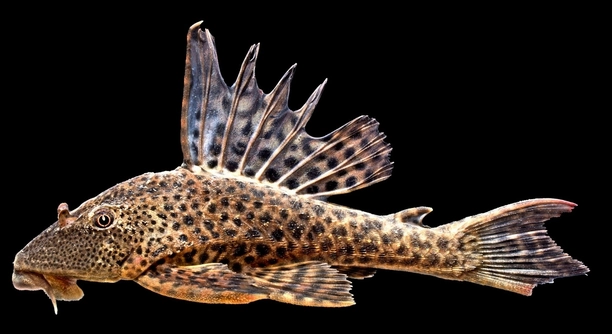
Do your plecos sometimes seem unwell after eating?
Several factors can disrupt pleco digestion. Stress, water quality, overfeeding, and an improper diet can all contribute to gastrointestinal issues. It’s important to monitor their environment and feeding habits to maintain healthy digestion and prevent discomfort.
Understanding these disruptions will help you keep your pleco healthy and thriving. Read on to discover practical tips for improving your fish’s digestion.
Stress and Its Impact on Digestion
Stress can have a major impact on a pleco’s digestion. Changes in their environment, such as a noisy aquarium or the introduction of new tank mates, can cause anxiety, affecting their appetite and overall digestion. When plecos are stressed, their bodies may not process food properly, leading to issues like bloating or constipation. Over time, stress can weaken their immune system, making them more susceptible to other health problems.
If you notice your pleco becoming less active or eating less, it could be a sign of stress. Creating a peaceful, stable environment can help minimize these effects.
To keep your pleco stress-free, ensure that the tank is in a calm spot, away from loud noises or vibrations. Make sure there are plenty of hiding spaces and that water conditions remain stable. A stressed pleco may struggle to process its food, so ensuring they feel secure in their space will help them digest more efficiently.
Poor Water Quality
Water quality plays a significant role in digestion. Poor water conditions can cause a pleco’s digestive system to become sluggish. High ammonia or nitrite levels can irritate the digestive tract, leading to issues like bloating or loss of appetite. Keeping the water clean and well-filtered is essential for a healthy pleco.
Maintaining regular water changes and testing water parameters ensures your pleco’s digestive health stays intact. Healthy water promotes healthy digestion.
To maintain water quality, perform regular water changes and check levels for ammonia, nitrites, and nitrates. Keep the tank clean by vacuuming the substrate and ensuring a functional filter. A stable environment reduces stress and supports proper digestion in plecos. This will help your pleco thrive.
Overfeeding
Overfeeding is a common problem that can disrupt digestion. When plecos are given more food than they can eat, it can lead to uneaten food rotting in the tank, affecting water quality. This can also cause bloating, constipation, or other digestive issues.
It’s important to feed plecos only what they can consume within a few hours. Any leftover food should be removed to avoid water contamination. A good rule of thumb is to offer small portions and observe how much your pleco eats. This way, they can digest their food properly, avoiding excess strain on their system.
Overfeeding can also cause your pleco to become overweight, which may further stress its digestive system. A healthy pleco should have a visible, slightly rounded belly but not be bloated. Keep feeding times consistent, and don’t overfeed. This helps ensure your pleco’s digestion stays in balance and promotes better overall health.
Improper Diet
An improper diet is another factor that affects digestion. Plecos are mostly herbivores, but they also require protein in their diet for optimal health. Feeding them too much protein or too little plant matter can cause digestive problems.
Ensure your pleco’s diet includes a variety of foods, such as algae wafers, blanched vegetables, and occasional protein sources like shrimp or bloodworms. Offering a balanced diet helps their digestive system function properly, preventing bloating, constipation, or lack of energy.
Rotating different types of food also ensures your pleco receives a wide range of nutrients. Avoid relying solely on one type of food, as it can lead to nutritional imbalances. A varied diet is key to maintaining your pleco’s digestive health and overall well-being.
Temperature Fluctuations
Temperature fluctuations can seriously impact pleco digestion. Sudden changes in water temperature stress the fish, slowing down their digestive system. Consistent temperatures within the recommended range are essential for their health.
Plecos thrive in stable environments, and water temperatures should be between 72°F and 82°F. If the water gets too cold or too warm, it can cause digestive issues. A stable heater can help maintain the proper temperature.
Use a reliable thermometer to monitor the tank’s temperature regularly. Avoid placing the tank in drafty areas or near direct sunlight, as this can cause fluctuations. Keeping the water temperature stable supports healthy digestion.
Insufficient Hiding Spaces
Plecos are naturally shy and require hiding spaces to feel safe. Without enough places to hide, they may become stressed, which can lead to poor digestion.
Adding caves, plants, or other decorations can provide the pleco with hiding spots. When they feel secure, they are more likely to eat regularly and digest their food properly.
Having hiding spaces also reduces aggression from other tank mates, further minimizing stress. Plecos need to feel safe to thrive, and the right environment plays a big role in their digestive health.
Illness or Parasites
Illnesses or parasites can disrupt digestion by affecting the pleco’s gastrointestinal system. Common signs include loss of appetite, lethargy, and abnormal swimming behavior.
If your pleco shows signs of illness, it’s important to isolate them and seek treatment. Parasites and infections can seriously impair digestion, leading to discomfort and potential long-term health issues.
Proper tank maintenance, such as keeping water quality high and ensuring a balanced diet, can help prevent these issues. If your pleco shows signs of illness, prompt treatment will support their recovery and help restore normal digestion.
FAQ
What are the signs of poor digestion in a pleco?
Signs of poor digestion in plecos include bloating, constipation, and a lack of appetite. They may also appear lethargic, spend more time hiding, or swim in an abnormal manner. If you notice these symptoms, it’s important to address potential issues like water quality, diet, and stress levels.
Plecos can also suffer from gastrointestinal discomfort if they are overfed or given food they can’t digest properly. Always monitor their behavior and make adjustments as needed to keep them healthy. If digestive problems persist, consider consulting an aquarium vet for advice.
How often should I feed my pleco?
Plecos should be fed once or twice a day, but the portions should be small. They are bottom dwellers and will often graze throughout the day, so feeding small portions reduces the risk of overfeeding and leftover food polluting the tank.
Offering too much food at once can lead to bloating or digestive issues. If the pleco doesn’t eat all the food within a few hours, remove the excess to keep the water clean. Always make sure the food you provide is appropriate for their dietary needs, such as algae wafers and blanched vegetables.
Can temperature affect a pleco’s digestion?
Yes, temperature plays a critical role in pleco digestion. If the water temperature fluctuates too much or falls outside the ideal range (72°F to 82°F), it can stress the pleco and slow down digestion. Cold water can cause digestion to halt, while warm water can speed up metabolic processes but may lead to other health concerns.
Maintaining a stable temperature using a quality heater is essential for the pleco’s digestive health. Rapid changes in temperature can cause stress, which may disrupt normal digestion and make your pleco more prone to diseases.
Should I remove uneaten food from the tank?
Yes, uneaten food should be removed from the tank. Leftover food can decay, affecting water quality and potentially causing harm to your pleco. Decomposing food can also lead to ammonia spikes, which are toxic to fish.
Make sure to remove food after a couple of hours if your pleco hasn’t eaten it. You can use a net to scoop out excess food easily. Regular cleaning of the tank helps maintain a healthy environment for your pleco’s digestion and overall well-being.
Is it normal for plecos to eat a lot?
Plecos do eat a fair amount, but they should not be overfed. Their natural instinct is to forage for food, and they may consume a lot when given the opportunity. However, it’s important to offer controlled amounts to avoid overfeeding, which can lead to digestion problems.
Plecos primarily eat algae and plant-based foods, so they do well with algae wafers, blanched vegetables, and occasional protein sources. Keep an eye on how much they consume to ensure they aren’t overeating. A healthy pleco will have a rounded, but not bloated, belly.
What types of food are best for a pleco’s digestion?
The best foods for plecos include algae wafers, fresh vegetables like zucchini, cucumber, and spinach, and occasional protein sources like shrimp or bloodworms. Plecos need a balanced diet that includes both plant matter and protein for optimal digestion.
Avoid feeding them high-fat or overly processed foods, as these can cause digestive problems and contribute to obesity. A varied diet helps ensure they get all the necessary nutrients to keep their digestive system running smoothly. You can also provide natural sources of algae, like rocks or driftwood, for them to graze on.
How can I help a constipated pleco?
If your pleco is constipated, try offering it blanched vegetables such as peas, which are gentle on their digestive system and can help clear blockages. You can also try fasting them for a day to give their digestive system a break.
In some cases, adding aquarium salt or changing the water temperature slightly (without extreme fluctuations) may help stimulate digestion. If constipation continues, seek advice from an aquarium vet, as it could be a sign of a more serious issue.
Is stress a common cause of digestive problems in plecos?
Yes, stress can significantly affect a pleco’s digestion. Stress can cause changes in their eating habits, leading to reduced appetite or poor digestion. Factors such as aggressive tank mates, changes in the environment, or poor water quality can all contribute to stress.
To reduce stress, provide hiding spots, maintain stable water conditions, and keep the tank peaceful. When plecos feel safe, they are more likely to eat properly and digest their food efficiently.
Final Thoughts
Proper digestion is essential for the health and well-being of your pleco. A balanced diet, consistent feeding schedule, and stable water conditions all play an important role in supporting their digestive system. By keeping an eye on water quality, temperature, and stress levels, you can help your pleco avoid many common digestive issues. Overfeeding and improper food choices are also factors that can lead to digestive problems, so offering the right amount of food and variety will help your pleco thrive.
It’s important to observe your pleco’s behavior closely. If they show signs of stress or poor digestion, such as bloating, constipation, or loss of appetite, make adjustments as needed. If the symptoms persist, seeking advice from a veterinarian or an aquarium specialist can help address the issue before it becomes more serious. Regularly monitoring the tank and maintaining a clean, stable environment will support healthy digestion and prevent many common issues.
By understanding the factors that impact pleco digestion, you can make small changes that will have a big impact on their overall health. Stress, poor water quality, and improper diet can all cause disruptions, but with proper care, you can ensure your pleco stays happy and healthy. With a little attention to detail, your pleco’s digestive health will remain strong, helping them live a long and active life in your aquarium.

Hello,
If you enjoy the content that we create, please consider saying a "Thank You!" by leaving a tip.
Every little bit helps us continue crafting quality advice that supports the health, happiness, and well-being of pets around the world, for pets of all shapes, sizes, and species.
We really appreciate the kindness and support that you show us!