
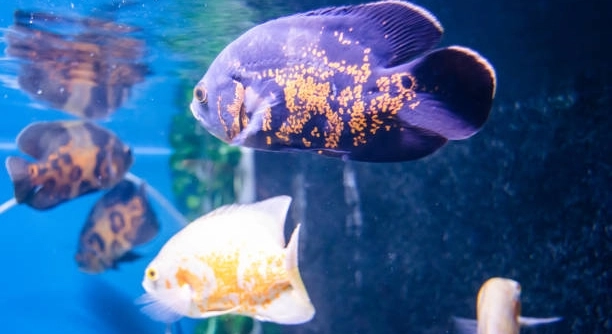
Oscar fish are known for their strong appetites and hearty feeding habits, but sometimes, feeding them can be a challenge. There are certain factors that can disrupt their eating routine and impact their overall health.
Several factors can disrupt Oscar fish feeding, including water temperature, food quality, tank conditions, and feeding frequency. Any sudden changes in these elements can lead to a lack of appetite or digestive issues for the fish.
Understanding how these factors influence feeding will help you keep your Oscar fish happy and healthy. By learning how to manage their environment and feeding habits, you can avoid common feeding issues and promote better care.
1. Water Temperature Issues
Oscar fish are sensitive to water temperature, and it can greatly affect their feeding behavior. If the water is too cold or too hot, your fish may lose interest in food. Oscars thrive in water temperatures between 74°F and 81°F (23°C to 27°C). Outside of this range, they may become sluggish, stressed, or even ill. Temperature fluctuations can cause discomfort, making feeding a challenge. If the water is too cold, digestion slows down, and the fish might avoid eating.
Maintaining a stable temperature in your aquarium is essential to ensure your Oscar fish feed properly. A reliable heater and thermometer will help monitor and adjust the temperature to suit their needs. Avoid placing the tank in direct sunlight or near air conditioners, as these can cause rapid changes in water temperature.
Investing in a good water heater and regularly checking the temperature can prevent issues and keep your Oscar fish feeding well. Proper water conditions make a big difference in their appetite and health.
2. Food Quality and Variety
Oscar fish are not picky, but they do need a balanced diet to stay healthy.
Feeding your Oscar a variety of foods will keep them interested and satisfied. Offering both pellets and live or frozen foods will help provide essential nutrients. If they don’t get a proper mix, they may stop eating altogether. Regularly switching up their food can also prevent them from getting bored.
Healthy food is key to Oscar fish’s growth and vitality. Make sure to feed them high-quality pellets, and consider adding shrimp, worms, or fish pieces for variety.
3. Tank Conditions
Oscar fish are sensitive to water quality. Poor tank conditions, such as dirty water or insufficient filtration, can lead to a lack of appetite. Make sure to regularly clean the tank and perform water changes to maintain a healthy environment. Keeping the tank clean will reduce the buildup of toxins and harmful bacteria, encouraging your Oscar fish to eat.
A strong filtration system is crucial. Oscars produce a lot of waste, which can quickly lower water quality. Using a filter that can handle the size of your tank and the needs of your fish will make a big difference. Regular water testing can also help you monitor levels of ammonia, nitrites, and nitrates, which should remain as close to zero as possible.
If the tank is overcrowded or not well-maintained, Oscars may become stressed and stop feeding. A clean, stable environment is essential for their overall well-being, leading to better eating habits and health.
4. Feeding Frequency
Oscar fish need to be fed regularly, but overfeeding can also disrupt their eating habits.
Feeding your Oscar fish once or twice a day is ideal. Too much food at once can overwhelm them, leading to uneaten food settling at the bottom of the tank, which can create water quality issues. Stick to small amounts that your fish can consume in a few minutes. Overfeeding can lead to obesity and digestive problems.
On the other hand, underfeeding can cause malnutrition and stress. If you notice that your Oscar is losing weight or seems uninterested in food, try adjusting the amount of food or frequency. Keeping a consistent feeding routine is important for maintaining their appetite and overall health.
5. Stress and Environmental Changes
Oscar fish are sensitive to stress, which can affect their feeding habits. Changes in their environment, such as new tankmates, loud noises, or constant movement around the tank, can make them anxious. Stress can lead to a loss of appetite, causing your Oscar to ignore food.
To reduce stress, create a calm and stable environment for your fish. Avoid sudden changes in water conditions, and introduce new tankmates gradually. Keeping their space peaceful and predictable will help your Oscar feel secure enough to eat regularly.
6. Illness or Injury
Oscar fish are hardy, but illness can affect their feeding.
A decrease in appetite is often one of the first signs of sickness. If your Oscar fish suddenly stops eating, look for signs of illness, such as lethargy, abnormal swimming, or visible sores. Bacterial or parasitic infections can cause discomfort, making feeding difficult.
If you suspect illness, check the water quality and consider quarantining the fish to prevent it from affecting others in the tank. Treating the underlying condition can help restore your Oscar’s appetite. Regular health checks will keep your fish in optimal condition, ready to eat.
FAQ
1. Why is my Oscar fish not eating?
There could be several reasons why your Oscar fish isn’t eating. The most common causes are poor water quality, incorrect water temperature, or stress from changes in their environment. If your Oscar has been introduced to new tankmates or if the water conditions are unstable, it may be reluctant to eat. Illness is another possibility; check for signs of lethargy or unusual behavior. Ensuring your tank is clean, the water temperature is stable, and your fish is healthy should help improve its appetite.
2. How often should I feed my Oscar fish?
Oscar fish are best fed once or twice a day. They have hearty appetites, but overfeeding can lead to waste buildup in the tank and health issues like obesity. Make sure to offer small amounts of food that your Oscar can finish in a few minutes. If there is uneaten food left, reduce the portion size during the next feeding. Regular, controlled feeding will keep your fish healthy and maintain good water quality in the tank.
3. Can Oscar fish eat too much?
Yes, overfeeding Oscar fish is a common issue. While they can eat large amounts, feeding them too much at once can lead to uneaten food accumulating at the bottom of the tank, which can lower water quality and cause health problems. Additionally, excessive feeding can lead to obesity and digestive issues, making your fish less active and more prone to illness. Keep portions controlled to maintain a balanced diet.
4. Can stress affect my Oscar fish’s feeding habits?
Absolutely. Oscar fish are sensitive to stress, and it can significantly impact their appetite. Factors such as new tankmates, noisy environments, or sudden changes in water conditions can cause stress. If your Oscar is stressed, it may refuse to eat or eat very little. To reduce stress, keep the tank environment calm, maintain stable water conditions, and avoid sudden changes. A peaceful atmosphere will encourage your fish to eat.
5. What kind of food should I feed my Oscar fish?
Oscar fish are omnivores and thrive on a varied diet. Offer high-quality pellets as a staple, but supplement with frozen or live foods like shrimp, worms, and small fish to provide the necessary nutrients. Make sure the food is appropriately sized for your Oscar to eat comfortably. Variety in the diet will prevent boredom and ensure your fish gets the right balance of vitamins and minerals.
6. How do I know if my Oscar fish is sick?
Signs of illness in Oscar fish include a lack of appetite, abnormal swimming, or changes in behavior, such as hiding more than usual. Visible symptoms, like torn fins, spots, or lesions, are also indicators of illness. If your fish isn’t eating and shows signs of illness, check the water quality and consider quarantining the fish. Early detection is key to treating the problem and getting your Oscar back to normal.
7. Can water temperature affect my Oscar fish’s feeding?
Yes, water temperature plays a crucial role in your Oscar fish’s feeding habits. If the water is too cold, your fish may become sluggish and lose interest in food. Oscars prefer water temperatures between 74°F and 81°F (23°C to 27°C). Keeping the temperature stable and within this range helps maintain your fish’s appetite and ensures proper digestion.
8. How can I improve my Oscar fish’s appetite?
To improve your Oscar fish’s appetite, first ensure that the water quality is optimal. Regular water changes, proper filtration, and a stable temperature are essential. Also, feed a balanced diet with a variety of foods to keep your fish interested. If your fish is stressed, reduce disturbances in the tank and allow it time to adjust. If your Oscar continues to refuse food, consider consulting an aquarium professional for advice.
9. How do I prevent overfeeding my Oscar fish?
To prevent overfeeding, use a portion control approach. Offer your Oscar only enough food that it can eat in 2 to 3 minutes. Remove any leftover food after feeding to maintain good water quality. Overfeeding can lead to waste buildup, water contamination, and obesity in your fish. Regularly monitor your fish’s eating habits and adjust the amount as needed.
10. Can I feed my Oscar fish only pellets?
While pellets can be a mainstay of your Oscar fish’s diet, they should not be the only food offered. Oscars need a variety of nutrients to thrive. Pellets are a convenient and nutritious option, but you should also offer live or frozen foods, such as worms, shrimp, or small fish, to supplement their diet and provide essential vitamins and minerals. This variety will ensure your fish gets the nutrients it needs.
Final Thoughts
Oscar fish are fascinating and hardy creatures, but maintaining their health and feeding habits can be a bit tricky. Understanding the factors that influence their appetite is crucial for ensuring they stay healthy and active. Water temperature, tank conditions, food quality, and even stress all play significant roles in whether your Oscar fish will feed properly. If any of these elements are off, your Oscar may refuse food, leading to possible health issues. By managing these factors carefully, you can help your Oscar thrive.
Feeding your Oscar fish regularly and with the right variety is essential for keeping them happy and healthy. Remember, they need more than just one type of food. Pellets are great, but adding live or frozen foods like shrimp or worms can offer the necessary nutrients they need. However, be careful with how much you feed them. Overfeeding can cause water quality problems and even lead to obesity. Feeding small amounts that they can finish in a few minutes helps keep both the fish and tank in good condition.
Lastly, always be mindful of the overall environment in the tank. Stress can be a major issue for Oscars, so creating a stable and calm setting will help them feel comfortable enough to eat regularly. Regular water changes, proper filtration, and maintaining a consistent temperature are key to preventing feeding problems. Monitoring your fish’s health closely and making small adjustments to their care routine will ensure they have a long, healthy life in your tank.

Hello,
If you enjoy the content that we create, please consider saying a "Thank You!" by leaving a tip.
Every little bit helps us continue crafting quality advice that supports the health, happiness, and well-being of pets around the world, for pets of all shapes, sizes, and species.
We really appreciate the kindness and support that you show us!