
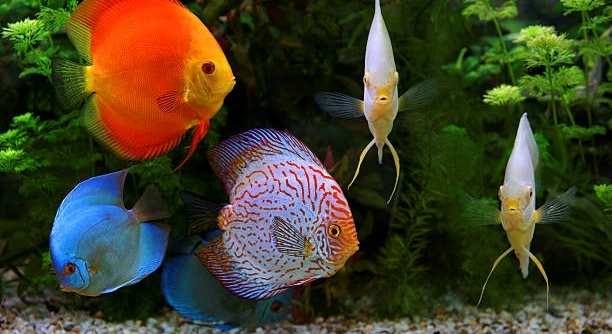
Discus fish are known for forming strong pair bonds, which are important for their breeding and well-being. However, several factors can interfere with these bonds and cause stress or separation. Understanding these disruptions helps keep discus pairs healthy and connected.
Various environmental, social, and biological factors can disrupt discus pair bonds. These include poor water quality, aggressive tank mates, improper diet, inadequate tank size, sudden changes in environment, disease, and stress. Each of these factors impacts the fish’s ability to maintain a stable relationship.
Recognizing these key disruptions can improve care for discus pairs and support their natural behaviors in captivity. This article will explain the main causes and how they affect discus relationships.
Poor Water Quality
Water quality is one of the most important factors for discus health and bonding. Discus fish need clean, stable water with the right temperature, pH, and hardness levels. When water quality declines, it stresses the fish, making them less likely to pair bond or stay close. High levels of ammonia, nitrites, or nitrates can cause discomfort and illness. Frequent water changes and proper filtration help maintain a healthy environment. Keeping the water parameters stable prevents sudden stress that can break pair bonds. Many hobbyists underestimate how quickly poor water can affect discus behavior, so regular testing is essential. Clean water supports natural breeding behaviors and keeps discus active and comfortable.
Poor water quality leads to stress and can cause discus pairs to separate or show aggression. Maintaining proper conditions is key to preserving their bond.
Ensuring water is clean and parameters are stable requires routine testing and maintenance. Use a good filtration system and perform regular partial water changes. Avoid overcrowding the tank, which can degrade water quality quickly. If you notice signs of illness or unusual behavior, check water parameters immediately. Clean water supports discus health and encourages bonding, making it easier to keep pairs together and thriving.
Aggressive Tank Mates
Aggressive fish in the same tank can disturb discus pairs. They may chase, nip, or intimidate the discus, causing stress or fear. Stress weakens bonds and can lead to separation. It is important to select peaceful tank mates and monitor interactions closely. Aggression disrupts the calm environment discus need for bonding and breeding.
Choosing compatible tank mates reduces stress and helps discus maintain their pair bond.
Keeping a peaceful community tank with calm species like tetras or corydoras encourages discus to feel safe. Avoid fin-nipping or territorial fish, which can provoke stress. If aggressive behavior is noticed, removing or isolating the problem fish quickly protects the discus pair. Creating a stable and stress-free environment allows discus to focus on their relationship and reduces the chances of disruption caused by external threats.
Improper Diet
A poor diet can weaken discus fish and affect their bonding behavior. Nutrition is key to their health and energy levels.
Discus require a balanced diet rich in protein and essential nutrients. Feeding only flakes or low-quality food can lead to malnutrition and weaken their immune systems. Live or frozen foods like bloodworms, brine shrimp, and high-quality pellets help support growth and vitality. When discus are healthy and well-nourished, they are more likely to engage in natural behaviors, including pairing and breeding.
An improper diet also increases susceptibility to disease, which can further disrupt pair bonds. Consistent feeding schedules and varied diets help keep discus strong. Avoid overfeeding, which can pollute water and stress fish. Proper nutrition plays a critical role in maintaining stable, lasting discus relationships.
Inadequate Tank Size
Small tanks limit discus movement and cause stress, breaking their pair bonds. Discus need enough space to swim freely.
Crowded or cramped conditions increase aggression and reduce hiding spots. This can make discus feel threatened and less likely to bond. A minimum of 50 gallons is recommended for a pair, with larger tanks preferred. More space helps discus establish territories and feel secure.
Proper tank size encourages natural behavior and reduces stress. It also allows better water quality management. When discus have room to swim and explore, they are calmer and more likely to maintain their pair bond. Investing in a spacious tank is essential for their health and social well-being.
Sudden Environmental Changes
Sudden changes in temperature or lighting can stress discus fish quickly. Stability is important for their comfort and bonding.
Even small fluctuations can cause anxiety and disrupt their pair bond. Keeping the environment consistent supports their natural behavior and reduces stress.
Disease and Parasites
Illness affects discus fish both physically and mentally, breaking their pair bonds. Diseases like ich, bacterial infections, or parasites weaken the fish and cause discomfort. Sick fish become less active and may isolate themselves, making it hard to maintain close bonds. Preventing disease with quarantine, proper water care, and nutrition is essential. Early detection and treatment help protect discus pairs from long-term damage and maintain their social connection.
Stress
Stress from overcrowding or loud noises disrupts discus behavior and bonding. Fish need calm conditions to feel secure.
What causes discus pair bonds to break?
Discus pair bonds often break due to stress from environmental changes, poor water quality, aggressive tank mates, or illness. When discus feel threatened or uncomfortable, they may become aggressive or avoid each other. Maintaining stable conditions and a calm environment is crucial for keeping pairs together.
How can I improve water quality for my discus?
Regular water changes, good filtration, and testing water parameters help keep water clean. Avoid overcrowding and remove uneaten food quickly. Aim for stable temperature, pH, and low ammonia, nitrite, and nitrate levels. Clean water reduces stress and supports healthy pair bonds.
Which tank mates are best for discus pairs?
Peaceful species like neon tetras, corydoras, or ram cichlids usually get along well with discus. Avoid fin-nippers, aggressive, or territorial fish. Compatible tank mates reduce stress and help discus maintain their relationship.
What should I feed discus to keep them healthy?
A varied diet of high-quality pellets, frozen or live bloodworms, brine shrimp, and specially formulated discus food works best. Feeding a balanced diet ensures discus get essential nutrients and stay strong, which supports bonding and breeding behaviors.
How large should my tank be for discus pairs?
A minimum of 50 gallons is recommended for a pair of discus. Larger tanks give them space to swim and establish territories. More space reduces stress and aggression, helping pairs stay connected.
How do sudden changes affect discus pairs?
Sudden temperature or lighting shifts can cause stress and disrupt bonding. Discus prefer stable environments. Keeping conditions steady helps them feel safe and maintain their social ties.
How can I tell if my discus are stressed?
Signs include hiding, loss of appetite, erratic swimming, or aggression. Stressed discus are less likely to bond or breed. Addressing causes quickly can reduce stress and protect their pair bond.
What diseases commonly affect discus and how do they impact pair bonds?
Ich, bacterial infections, and parasites are common discus diseases. Sick fish may isolate or act aggressively, breaking pair bonds. Prevent disease through quarantine, good water care, and nutrition. Early treatment protects their health and relationships.
Can stress from overcrowding break discus pairs?
Yes, overcrowding causes competition for space and food, increasing stress. Stressed discus may separate or fight. Providing enough room and monitoring tank population helps keep pairs stable.
How often should I test my discus tank water?
Testing weekly is ideal to catch problems early. Frequent checks help maintain stable conditions that support discus health and bonding. Adjust care as needed based on test results.
What should I do if my discus pair starts fighting?
Identify possible causes like water quality, tank mates, or stress. Improve water conditions, remove aggressive fish, and ensure enough space. Sometimes separating fish temporarily helps calm them before reintroducing. Consistent care promotes peaceful pairs.
Is it normal for discus pairs to separate sometimes?
Occasionally, pairs may take breaks or rest apart. This can be natural but prolonged separation often signals stress or problems. Monitoring behavior and environment helps prevent long-term issues.
Can diet changes affect discus bonding?
Yes, sudden diet changes or poor nutrition can stress discus and weaken bonds. Introduce new foods gradually and provide a balanced diet to support health and social behavior.
How do I create a calm environment for discus?
Keep noise levels low, avoid sudden movements near the tank, and provide hiding spots. Stable lighting and temperature also help. A peaceful environment reduces stress and supports pair bonds.
Are there signs that discus are bonding well?
Yes, paired discus often swim close, clean each other, and share territory. They may also spawn regularly. These behaviors show a strong, healthy bond.
Maintaining strong pair bonds in discus fish requires attention to several important factors. The health and behavior of these fish depend heavily on stable water conditions, good nutrition, and a peaceful environment. When these needs are met, discus pairs are more likely to form lasting bonds and display natural behaviors like cleaning each other and breeding. Consistency is key, as sudden changes or poor care can cause stress that breaks their connection. By understanding what affects discus pairs, caretakers can create an environment where the fish feel safe and comfortable.
It is important to remember that discus fish are sensitive and need proper care to thrive. Aggressive tank mates, overcrowding, or poor water quality can quickly cause problems. Even diet plays a crucial role in their well-being. Feeding them a balanced variety of foods keeps them strong and active, which supports bonding. Additionally, watching for signs of stress or illness and acting quickly can prevent disruptions in their relationship. Keeping their environment calm and consistent also helps discus pairs stay close and reduces chances of aggression or separation.
Ultimately, caring for discus pairs takes patience and commitment. It means regularly checking water quality, selecting peaceful tank mates, and providing enough space. It also involves monitoring fish behavior to notice any changes early. When discus feel secure and healthy, they are more likely to form strong bonds that make them a joy to keep. The effort put into maintaining good conditions pays off with happy, connected fish that can thrive in a home aquarium. Taking these steps helps ensure discus pairs live long, healthy lives together.

Hello,
If you enjoy the content that we create, please consider saying a "Thank You!" by leaving a tip.
Every little bit helps us continue crafting quality advice that supports the health, happiness, and well-being of pets around the world, for pets of all shapes, sizes, and species.
We really appreciate the kindness and support that you show us!