
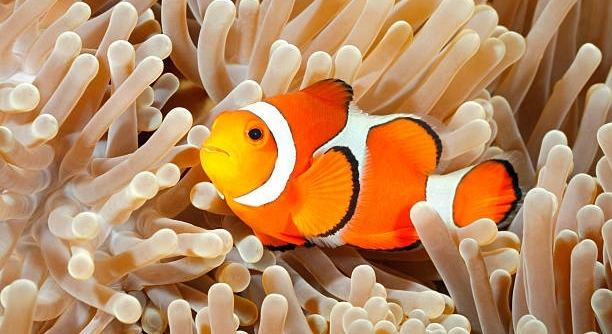
Clownfish are fascinating creatures that depend on regular sleep to stay healthy. Their sleeping patterns can be influenced by various factors in their environment. Understanding these disruptions can help in maintaining their well-being in captivity or the wild.
Several factors disrupt clownfish sleeping patterns, including light exposure, water temperature changes, noise pollution, presence of predators, tank overcrowding, poor water quality, and irregular feeding schedules. These elements interfere with their natural rest cycles and overall health.
Recognizing these influences is important for anyone caring for clownfish. Learning about these disruptors helps ensure a healthier and more balanced environment for them.
Light Exposure and Its Impact on Clownfish Sleep
Clownfish rely on natural light cycles to regulate their sleeping patterns. When exposed to excessive or irregular light, their rest can be disturbed. Artificial lighting in aquariums or prolonged daylight in their habitat can confuse their internal clocks. This can lead to restless behavior and reduced sleep quality. Clownfish often seek shaded or darker areas to rest, and constant light exposure prevents this natural retreat. Managing light cycles by providing periods of darkness helps maintain their normal sleep rhythm. Inconsistent light exposure can also cause stress, affecting their overall health. It is important for caretakers to mimic natural day-night cycles as closely as possible. This includes turning off aquarium lights during night hours and avoiding sudden light changes. A well-regulated light schedule supports the clownfish’s natural behavior, ensuring they get proper rest. Without this, they may become more vulnerable to illness and changes in appetite.
Proper light management is essential to support the natural sleep-wake cycle of clownfish. Keeping light consistent promotes healthier fish.
Ensuring clownfish have a calm, dim environment during rest periods helps them recover energy and reduces stress. Using timers on aquarium lights can automate this process, allowing predictable light-dark cycles. Avoid bright or flashing lights near their tanks, as this can disrupt sleep further. Providing shaded spots with decorations or plants encourages hiding and restful behavior. Observing their activity during different lighting conditions can help identify if light is affecting their sleep. Regular monitoring allows adjustments that improve their health. Overall, maintaining a natural and stable lighting environment contributes greatly to clownfish well-being and normal sleep patterns.
Water Temperature Fluctuations
Sudden changes in water temperature can disturb clownfish sleep. They thrive in stable, warm conditions and react negatively to cold or rapidly shifting temperatures.
Temperature shifts affect clownfish metabolism and comfort, causing them to become restless or inactive. Constant temperature control helps maintain their normal behavior and sleep cycle.
Keeping water temperature steady within the recommended range is key. Small heaters or chillers can regulate aquarium temperature, preventing swings. Sudden drops or spikes can cause stress, weaken immune responses, and disrupt sleep. Maintaining consistent warmth supports clownfish’s natural rhythms and health.
Noise Pollution and Clownfish Sleep
Loud noises or vibrations in the environment can disturb clownfish rest. They are sensitive to changes in sound, which can cause stress and reduce sleep quality.
Noise pollution creates an unsettling environment for clownfish, causing them to hide or swim erratically. In aquariums near busy areas or with loud equipment, continuous noise can disrupt their natural behavior. These disruptions interfere with their ability to settle down and rest properly. Reducing external noise sources or placing tanks in quiet locations helps maintain a peaceful habitat. Gentle water movement and soft filtration sounds are less likely to disturb them. Noise reduction supports their overall well-being and allows normal sleep patterns to return.
Providing a calm, low-noise environment helps clownfish maintain healthy sleep cycles. It is important to control sound levels around their habitat to prevent stress and restlessness.
Predator Presence and Its Effects
The presence of predators creates constant alertness in clownfish, making it difficult for them to relax and sleep. Stress from nearby threats disrupts their sleep routines and behavior.
In natural environments or mixed-species tanks, predators cause clownfish to hide and stay vigilant. This heightened state limits their ability to rest fully. Chronic stress weakens immune function and may lead to illness. Careful tank selection and design help reduce predator interactions, ensuring clownfish feel secure. Providing ample hiding places and visual barriers lowers stress. Maintaining a safe space encourages restful behavior and preserves natural sleep rhythms. Managing predator presence is crucial to the health and comfort of clownfish.
Tank Overcrowding
Overcrowding increases stress among clownfish and disrupts their sleeping patterns. Limited space reduces their ability to find quiet resting spots.
High population density causes competition for resources and hiding places. This constant interaction prevents clownfish from resting peacefully and may lead to aggression.
Poor Water Quality
Poor water conditions cause discomfort and stress, negatively affecting clownfish sleep. High levels of toxins or unbalanced pH disrupt their health and rest cycles.
Regular water changes and filtration are essential to maintain clean water. Keeping the tank environment stable supports better sleep and overall well-being.
Irregular Feeding Schedules
Clownfish rely on consistent feeding times for routine. Irregular feeding can cause anxiety and disrupt their natural daily rhythms.
Maintaining a fixed feeding schedule helps regulate their behavior and supports healthy sleep patterns.
How can I tell if my clownfish’s sleep is disrupted?
Disrupted sleep in clownfish often shows through unusual behavior. They may swim restlessly at night or hide more than usual. You might notice them not retreating to darker areas for rest or appearing stressed and less active during the day. Changes in appetite or increased aggression can also indicate sleep problems. Observing your fish’s normal patterns and spotting deviations early helps in addressing issues quickly.
What is the ideal light schedule for clownfish in captivity?
Clownfish benefit from a 10 to 12-hour light and dark cycle, similar to natural daylight patterns. This means providing around 10 to 12 hours of light followed by a similar period of darkness. Using timers on aquarium lights helps maintain consistency without manual adjustments. Avoid exposing the tank to sudden or bright artificial light during night hours, as this can confuse the fish and interrupt their rest.
Can noise from household appliances affect clownfish sleep?
Yes, continuous noise or vibrations from appliances such as washing machines or air conditioners can disturb clownfish. They are sensitive to environmental vibrations, which may stress them and cause restlessness. Placing tanks away from heavy appliances or using soundproofing materials nearby can reduce these disturbances. A quieter environment promotes calm behavior and better sleep.
Does tank size impact clownfish sleeping patterns?
A small or overcrowded tank limits space for clownfish to find safe resting spots. They need room to establish territories and hide when resting. Insufficient space can lead to stress, disrupted sleep, and aggressive behavior. A properly sized tank that allows for natural movement and hiding improves sleep quality and overall health.
How often should I clean the tank to support good sleep?
Maintaining clean water is essential. Partial water changes every one to two weeks help remove waste and toxins that can disturb clownfish health and sleep. Regular cleaning of filters and monitoring water parameters like ammonia, nitrite, and pH ensure a stable environment. Clean water reduces stress and allows clownfish to rest comfortably.
Will feeding clownfish late at night affect their sleep?
Feeding clownfish late or at irregular times can disrupt their natural rhythms. They typically feed during daylight hours, and late feeding may keep them active when they should be resting. Consistent feeding times aligned with their active period support regular sleep cycles and prevent unnecessary stress or restlessness.
What can I do if my clownfish won’t sleep despite all precautions?
If sleep problems persist, check for hidden stressors like nearby predators, fluctuating water conditions, or illness. Consult with a marine veterinarian or aquarium expert for a health assessment. Sometimes, changing tank location, adding more hiding spaces, or adjusting environmental factors can help. Monitoring behavior closely helps identify specific triggers.
Is it normal for clownfish to rest during the day?
Clownfish usually rest more at night but may also take short naps during the day. However, extended inactivity or hiding during daylight might indicate stress or poor health. Regular active behavior during the day and resting at night is typical for healthy clownfish.
Can poor diet affect clownfish sleep?
Yes, inadequate nutrition can weaken clownfish and affect their energy levels and sleep. A balanced diet with proper vitamins and minerals supports their immune system and daily rhythms. Feeding high-quality food regularly promotes better rest and overall vitality.
Do changes in tank decorations influence sleep?
Yes, rearranging tank decorations often can disturb clownfish. They use familiar hiding places to rest safely. Sudden changes force them to adjust, causing stress and disrupted sleep. Keeping tank layout stable or making gradual changes helps maintain their comfort and routine.
Understanding the factors that disrupt clownfish sleeping patterns is important for maintaining their health and well-being. Clownfish depend on stable conditions to rest properly. Changes in their environment, such as light, temperature, noise, or overcrowding, can affect their natural rhythms. By paying attention to these factors, caretakers can create a supportive habitat that helps clownfish sleep well. This reduces stress and supports their immune system, leading to healthier and more active fish.
Proper care involves maintaining consistent routines and stable tank conditions. Regular water changes, controlled lighting, and appropriate feeding schedules all contribute to a calm environment. It is also important to monitor the tank for any sudden changes or potential stressors, such as the presence of predators or loud noises. Providing hiding spots and avoiding overcrowding allows clownfish to feel safe enough to rest. This kind of thoughtful care promotes natural behavior, including healthy sleep cycles.
Overall, managing the environment with care and attention benefits clownfish in many ways. Sleep is essential to their health, and by minimizing disruptions, their quality of life improves. Observing the fish closely and making adjustments when needed helps prevent problems before they become serious. Creating a peaceful and stable home allows clownfish to thrive and enjoy a restful sleep, which is vital for their long-term happiness and well-being.

Hello,
If you enjoy the content that we create, please consider saying a "Thank You!" by leaving a tip.
Every little bit helps us continue crafting quality advice that supports the health, happiness, and well-being of pets around the world, for pets of all shapes, sizes, and species.
We really appreciate the kindness and support that you show us!