
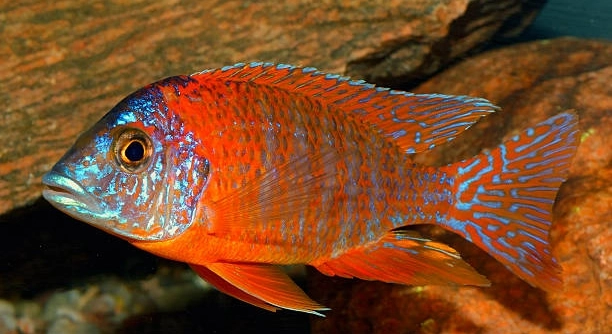
Cichlids are fascinating fish that bring vibrant colors and life to any aquarium. Their health depends on many factors, including proper rest. Sleep is essential for their growth, behavior, and overall well-being in captivity.
Several factors can disrupt cichlid sleep cycles, including irregular lighting, excessive noise, poor water quality, overcrowding, sudden changes in environment, aggressive tank mates, and improper feeding schedules. Each of these elements can significantly affect their natural rest patterns.
Understanding these influences can help maintain a stable and healthy environment for your fish. Addressing them ensures your cichlids remain active, vibrant, and thriving in their aquatic home.
Irregular Lighting
Cichlids rely heavily on consistent lighting to regulate their sleep and activity. Sudden changes in brightness or keeping the tank lights on for too long can confuse their natural rhythms. In their natural habitat, light cycles are predictable, and artificial fluctuations in aquariums disrupt this balance. Overexposure to bright light can cause stress, making them more prone to disease and less likely to rest properly. Similarly, turning lights off too abruptly or at irregular times can startle them and interfere with sleep. A proper lighting schedule helps cichlids maintain a healthy sleep-wake cycle, promoting better behavior and vibrant coloration. Using a timer ensures consistency, which reduces stress and mimics natural day and night patterns. This simple adjustment can significantly improve the overall well-being of your cichlids. Observing their behavior under consistent lighting provides insight into their comfort levels and stress indicators, allowing timely adjustments.
Maintaining a stable light cycle supports regular sleep patterns and reduces stress, keeping cichlids healthier and more active throughout the day.
Consistency in lighting allows fish to anticipate rest periods, which improves immune function, reduces aggression, and encourages natural behaviors like foraging and exploration, leading to a calmer, more balanced aquarium environment overall.
Excessive Noise
Loud or constant vibrations near the tank can prevent cichlids from settling down.
Frequent tapping on the glass, nearby appliances, or household activity generates stress. Stress interferes with their natural sleep cycles, making them restless and skittish. Over time, chronic noise can impact growth and immunity. Positioning the tank in a quieter area and avoiding unnecessary tapping helps fish feel secure.
Noise impacts more than rest; it affects interactions among cichlids. Disturbed fish may become aggressive or withdrawn, disrupting the social structure within the tank. Even small disturbances, repeated regularly, can alter feeding behavior and reduce appetite. Stress from noise can also weaken resistance to disease. Providing a stable, calm environment is essential. Soft background sounds or gentle water movement are preferable to abrupt or loud noises. Monitoring the tank’s surroundings and reducing disruptions will give cichlids a better sense of security, allowing them to rest fully and maintain natural behaviors. Proper placement and awareness of household activities are key for long-term fish health and comfort.
Poor Water Quality
Dirty or unstable water can disrupt cichlids’ sleep and overall health. High levels of ammonia, nitrites, or nitrates create stress and prevent them from resting properly. Regular testing and maintenance are essential for a calm environment.
When water quality declines, cichlids become restless and may hide more than usual. Poor conditions irritate their gills and skin, causing discomfort that interferes with natural sleep cycles. Maintaining stable pH, temperature, and cleanliness supports healthy behavior. Frequent water changes, careful filtration, and monitoring parameters prevent sudden fluctuations that can disturb their rest. Stress from poor water quality also reduces appetite and immunity, making fish more vulnerable to disease. Observing their behavior helps identify early signs of discomfort before it escalates into serious health issues.
A stable environment allows cichlids to rest fully and maintain normal daily rhythms. Clean, balanced water supports growth, coloration, and overall vitality. Providing consistent care ensures fish feel secure and comfortable, reducing aggression and promoting natural behavior. Proper water quality directly impacts sleep, stress levels, and long-term aquarium stability, making it one of the most important factors in fish health.
Overcrowding
Too many fish in one tank creates tension and prevents proper rest. Limited space increases stress and territorial disputes among cichlids.
Overcrowding affects sleep by increasing aggression and competition for hiding spots. Fish are forced to remain alert, limiting relaxation periods. This constant stress can stunt growth, reduce immunity, and lead to erratic behavior. Ensuring enough space per fish and providing adequate hiding places reduces tension. Even peaceful cichlids may struggle to sleep when constantly disturbed by neighbors. Proper stocking levels are essential for maintaining social balance. Each cichlid should have its own territory to retreat and rest without interruption. Overcrowding also complicates maintenance, as water quality deteriorates faster, compounding stress. A spacious setup with thoughtful decoration allows natural behaviors to occur. Hiding areas, plants, and rocks help separate territories, giving each fish a safe resting space. Balanced populations ensure calmer interactions, improved sleep cycles, and healthier fish overall.
Sudden Environmental Changes
Cichlids are sensitive to rapid changes in their surroundings. Moving decorations, adjusting temperature, or changing water too quickly can startle them and disrupt sleep.
Even minor disturbances, like rearranging plants or rocks, affect their sense of security. Gradual adjustments help fish adapt without stress.
Aggressive Tank Mates
Aggressive fish prevent cichlids from resting properly. Constant chasing or intimidation keeps them alert and stressed, reducing natural sleep periods.
Aggression can lead to injuries, weakened immunity, and long-term anxiety. Providing compatible tank mates and sufficient space minimizes conflict. Observing interactions helps identify problem fish and maintain a peaceful environment.
Improper Feeding Schedules
Feeding too late or inconsistently affects cichlid sleep. Hunger or overeating causes discomfort and restlessness at night, interrupting natural cycles.
Excessive Tank Movement
Frequent tapping or vibrations from outside the aquarium disturb cichlids’ calm. Movement near the tank can prevent them from relaxing and resting properly.
FAQ
How can I tell if my cichlid’s sleep is being disrupted?
Signs of disrupted sleep include restlessness, hiding more than usual, aggression, and reduced appetite. You may also notice changes in color or unusual swimming patterns. Fish that cannot settle at night are under stress, which can affect their overall health. Observing their behavior during nighttime or dim light periods provides insight into whether they are resting properly. Consistent observation allows you to notice subtle changes that indicate stress, giving you the opportunity to adjust lighting, tank setup, or social conditions to restore a stable environment.
What is the best lighting schedule for cichlids?
Cichlids benefit from a predictable day-night cycle, typically around 10–12 hours of light followed by 12–14 hours of darkness. Using a timer ensures consistency, which helps them establish natural rest patterns. Sudden changes or irregular schedules can confuse fish, increase stress, and disrupt sleep. Gradually adjusting light intensity in the morning and evening mimics natural sunrise and sunset, reducing abrupt transitions. Proper lighting not only supports sleep but also enhances coloration, feeding behavior, and overall activity levels. Observing fish responses to different schedules can help fine-tune the timing for a healthier tank environment.
How often should I test and clean the water?
Testing water weekly is ideal for monitoring ammonia, nitrites, nitrates, and pH. Regular water changes, about 20–30% weekly, keep the environment stable and safe. Poor water quality creates stress that prevents cichlids from resting properly and weakens immunity. Filters must be cleaned without disrupting beneficial bacteria. Gradual adjustments, rather than sudden overhauls, maintain stability. Providing a consistent environment helps fish feel secure and reduces behavioral problems. Maintaining water parameters also supports healthy growth, reduces aggression, and promotes natural sleep cycles. Observing fish health and behavior after changes can indicate whether the water conditions are appropriate.
What can I do about aggressive tank mates?
Separating overly aggressive fish is essential for maintaining a calm environment. Providing hiding places, rocks, and plants allows cichlids to retreat and feel secure. Choosing compatible species and avoiding overcrowding reduces tension. Aggressive interactions interfere with rest and increase stress. Monitoring behavior daily helps identify problematic fish. Even small conflicts, repeated over time, prevent proper sleep and can lead to long-term health problems. A well-structured tank with clearly defined territories allows all fish to rest and reduces overall stress. Adjusting stocking levels or rearranging decorations can help establish boundaries and encourage peaceful coexistence.
How should I manage feeding to avoid sleep disruption?
Feeding on a consistent schedule, preferably earlier in the day, prevents nighttime restlessness. Overfeeding or feeding too late can cause discomfort and digestive issues that interfere with sleep. Balanced portions and high-quality food support healthy metabolism. Observing how fish respond to meal times helps determine the best schedule. Avoid leaving excess food in the tank overnight, as it can decay, harming water quality and adding stress. Consistent feeding routines reinforce natural behavior patterns, helping fish feel secure and rested.
Can tank location affect cichlid sleep?
Yes, placing the tank in a quiet area away from vibrations, loud appliances, or frequent human traffic is important. Sudden movement or noise can startle fish and prevent relaxation. Tanks near doors, TVs, or heavy foot traffic may need repositioning. Soft background water flow is preferable to sudden disturbances. Observing fish during rest periods indicates whether the environment is peaceful. Proper placement reduces stress and supports stable sleep patterns. Creating a calm, predictable environment ensures that cichlids can rest fully and maintain natural rhythms without constant alertness.
Are there signs that water temperature is affecting sleep?
Cichlids require stable water temperatures, typically between 74–82°F depending on species. Sudden drops or spikes can stress them, leading to erratic behavior and disrupted rest. Using a reliable heater and thermometer ensures consistent conditions. Gradual adjustments are essential during seasonal changes or tank maintenance. Stress from temperature fluctuations can reduce immunity, appetite, and growth. Observing fish for lethargy, hiding, or frantic swimming at night can indicate discomfort. Maintaining optimal temperature supports normal activity patterns, sleep cycles, and overall health. Proper insulation and avoiding frequent heater adjustments help sustain a stable environment year-round.
How do I reduce stress caused by environmental changes?
Introduce changes gradually, whether rearranging decorations, adjusting lighting, or performing water changes. Sudden modifications startle fish and interfere with sleep. Providing hiding spots and maintaining familiar territories reduces anxiety. Monitoring behavior after adjustments ensures fish adapt well. Consistent routines help them feel secure and reduce long-term stress.
Is overcrowding always harmful to sleep?
Yes, too many fish in a tank increases competition for space, hiding spots, and resources. This tension prevents cichlids from resting properly, leading to stress and aggression. Adequate space and proper stocking densities promote natural sleep patterns. Observation helps detect overcrowding early, allowing adjustments for a balanced and peaceful environment.
Final Thoughts
Caring for cichlids involves more than feeding and cleaning the tank. Their sleep patterns are an essential part of their health and well-being. Disruptions in sleep can lead to stress, weakened immunity, and behavioral problems. Simple factors, such as lighting, noise, water quality, and tank mates, all influence their ability to rest properly. Ensuring a stable environment helps cichlids maintain natural rhythms, supporting growth, coloration, and daily activity. Observing their behavior regularly allows you to notice subtle signs of discomfort, restlessness, or aggression, which can indicate that adjustments are needed. Even small changes, like adjusting a light schedule or rearranging hiding spots, can make a significant difference in their overall comfort. Understanding what affects their sleep is essential for creating a healthy and calm tank.
Consistency is key when managing a cichlid tank. Establishing predictable routines for feeding, lighting, and maintenance gives fish a sense of security. Abrupt changes in temperature, water chemistry, or tank layout can confuse them and interfere with rest. Overcrowding and aggressive tank mates can also prevent proper sleep, making it harder for them to recover and grow. Providing adequate hiding spots and giving each fish its own territory reduces stress and encourages natural behavior. Even minor disruptions, like vibrations or loud household activity, can disturb their sleep if repeated frequently. By paying attention to these details, you can create an environment where cichlids feel safe and secure, allowing them to sleep well and thrive. Regular maintenance, observation, and thoughtful adjustments ensure long-term health and a balanced aquarium.
Maintaining good sleep cycles for cichlids is a combination of proper care and observation. Stable water conditions, consistent lighting, and peaceful tank mates all contribute to a calm environment. Gradual changes and careful monitoring prevent stress and allow fish to adapt comfortably. Healthy sleep supports feeding, immunity, and natural behavior, making your aquarium more vibrant and balanced. By addressing the factors that disrupt rest, you create a space where cichlids can feel secure and behave naturally. Focusing on sleep is not just about avoiding problems; it is about promoting their overall well-being and longevity. Attentive care ensures your cichlids remain active, colorful, and healthy for years to come, while also making your tank a more enjoyable and stable ecosystem.

Hello,
If you enjoy the content that we create, please consider saying a "Thank You!" by leaving a tip.
Every little bit helps us continue crafting quality advice that supports the health, happiness, and well-being of pets around the world, for pets of all shapes, sizes, and species.
We really appreciate the kindness and support that you show us!