
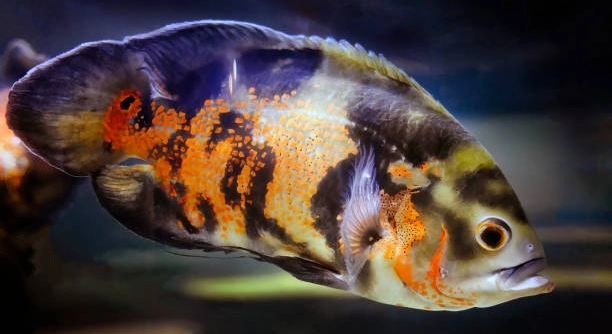
Cichlids are fascinating fish, and many hobbyists enjoy breeding them at home. Their vibrant colors and behaviors make them rewarding to care for, yet maintaining a successful breeding cycle can sometimes be surprisingly challenging and delicate.
Several factors can disrupt cichlid breeding cycles, including water quality fluctuations, inappropriate temperature ranges, poor diet, insufficient hiding spots, stress from tank mates, overcrowding, and irregular light cycles. Each of these elements directly impacts reproductive health and egg viability.
Understanding these disruptions will help you create a stable environment and improve the chances of successful cichlid breeding in your aquarium.
Water Quality Fluctuations
Keeping water stable is essential for cichlids. Sudden changes in pH, hardness, or ammonia levels can stress them and stop breeding. Frequent water testing helps identify shifts before they become harmful. Filters need regular cleaning, but avoid over-cleaning, which removes beneficial bacteria. Using dechlorinated water and monitoring nitrates keeps the tank safe. Avoid adding too many chemicals at once, as cichlids are sensitive. Even small changes in temperature can affect water chemistry and breeding readiness. A consistent routine for water changes supports healthier eggs and fry. Observing fish behavior can indicate if water conditions are off. Cloudy water, lethargy, or reduced appetite are signs of stress. By paying attention to these factors, you create an environment that encourages spawning. Proper maintenance reduces stress and promotes natural behaviors. Patience is key, as cichlids may take time to adjust to new or improved conditions. Regular checks make breeding cycles more predictable and less stressful for the fish.
Monitoring water daily ensures cichlids stay healthy and reduces interruptions to their breeding cycle.
Stable water conditions allow fish to focus on reproduction. Consistent pH, hardness, and temperature improve egg quality. Fry survival increases when toxins are minimized. Maintaining an even filtration routine supports beneficial bacteria growth. Avoid overcrowding during water changes to prevent stress. Observing fish for early signs of discomfort ensures timely adjustments. Over time, stable water encourages natural behaviors, making breeding more consistent. Keeping a simple log of water parameters can help track patterns affecting spawning. Adjustments should be gradual to prevent shock. Combining careful testing with proper feeding routines strengthens reproductive health.
Temperature and Light
Cichlids are sensitive to temperature changes. Sudden drops or rises can halt breeding. Maintaining a stable range encourages mating behavior and egg development.
Consistent temperature and light cycles support healthy reproductive activity. Fish adjust naturally to predictable conditions.
Proper heating and lighting enhance spawning readiness. Use reliable heaters and timers to prevent fluctuations. Sudden exposure to cold or bright light can stress cichlids, reducing interest in mating. Gradual changes mimic natural conditions, which improves breeding success. Day-night light cycles influence hormone release, triggering spawning behaviors. Overexposure to bright light may cause hiding or aggression. Consistent conditions help both males and females feel secure, increasing courtship activity. Observation is important—watch for color changes and nest-building behaviors that indicate readiness. Adjust heaters and lights slowly if changes are needed. Even minor shifts can delay spawning, so monitoring is essential. By creating predictable routines, cichlids remain focused on reproduction rather than coping with stress. Simple tools like thermostats and timers make this easy and effective.
Poor Diet
A lack of variety in food can reduce breeding readiness. Cichlids need protein-rich meals alongside occasional vegetables to stay healthy and fertile.
Feeding only flakes or pellets may cause nutrient deficiencies that impact egg production. Including live or frozen foods like brine shrimp, bloodworms, and daphnia boosts fertility. Vegetables such as spinach or zucchini help with digestion and overall vitality. Rotating food types ensures balanced nutrition and prevents deficiencies. Healthy fish display brighter colors, increased activity, and better courtship behavior. Overfeeding should be avoided, as it can lead to poor water quality and stress, both of which disrupt breeding cycles. Maintaining a feeding schedule keeps the fish healthy and prepared for reproduction. Observing appetite and energy levels can indicate if diet adjustments are needed.
A balanced diet directly supports reproductive health. Nutrient-rich meals strengthen eggs and fry survival while encouraging consistent breeding behaviors. Variety is key.
Stress from Tank Mates
Aggressive or overly active tank mates create constant tension. Cichlids under stress are less likely to breed and may abandon nests.
Stress suppresses hormone production and inhibits spawning behavior. Territorial disputes, chasing, or bullying cause fish to hide rather than court or care for eggs. Providing adequate hiding spaces, separating aggressive species, and observing interactions can reduce tension. Even minor stressors like sudden movements or tapping on the tank glass affect reproductive readiness. Quiet, calm environments allow cichlids to focus on mating and nest protection. Pairing compatible species and ensuring enough space between individuals minimizes conflict and supports natural behaviors. Regular monitoring of social dynamics helps maintain a peaceful breeding environment. Reducing stress ensures healthier fry and improves breeding success rates.
Overcrowding
Too many fish in a tank increases stress and reduces breeding success. Cichlids need space to establish territories and build nests.
Overcrowding also lowers water quality faster, which adds another layer of stress. Proper stocking ensures each fish has room to thrive and encourages natural mating behavior.
Insufficient Hiding Spots
Cichlids need secure areas for spawning and protecting eggs. Rocks, caves, and plants provide safety and reduce stress.
Without proper hiding spots, fish may abandon eggs or avoid breeding altogether. Structured environments give them confidence to engage in courtship and care for fry properly.
Irregular Light Cycles
Consistent light patterns influence reproductive hormones. Sudden changes or inconsistent timing can delay or stop breeding.
Maintaining predictable day and night cycles with timers encourages natural behavior. Proper lighting supports both egg development and fry growth, creating a stable environment for cichlids to reproduce successfully.
FAQ
What is the best water temperature for cichlid breeding?
Most cichlids thrive in temperatures between 75°F and 82°F. Maintaining a stable range encourages spawning behavior and egg development. Sudden drops or spikes in temperature can stress the fish, delay breeding, or reduce fry survival. Using a reliable heater and thermometer helps keep conditions consistent.
How often should I test my aquarium water?
Testing at least twice a week is ideal during breeding periods. Key parameters include pH, ammonia, nitrites, nitrates, and hardness. Keeping a log can help identify trends that may disrupt breeding. Adjustments should be gradual to prevent shocking the fish.
Can I breed cichlids in a community tank?
Breeding in a community tank is possible but challenging. Aggressive or territorial tank mates can stress cichlids, causing them to hide or abandon eggs. Providing separate breeding areas, hiding spots, and monitoring interactions reduces stress. Many hobbyists prefer a dedicated breeding tank for higher success rates.
What diet helps improve breeding success?
A varied diet rich in protein supports reproductive health. Live or frozen foods like brine shrimp, bloodworms, and daphnia improve fertility. Occasional vegetables like spinach or zucchini aid digestion. Avoid overfeeding, which can harm water quality and stress the fish, negatively affecting reproduction.
How do I know if my cichlids are ready to breed?
Signs include brighter colors, increased activity, and courtship behaviors such as digging pits or cleaning surfaces. Females may show egg spots or build nests, while males become more territorial. Observing these behaviors indicates readiness for spawning and the proper environment.
Why are my eggs being abandoned?
Egg abandonment often results from stress, poor water quality, or aggression from tank mates. Lack of hiding spots or irregular light cycles can also cause this behavior. Ensuring a calm, stable environment with proper shelter encourages parents to care for eggs and fry.
How long does it take for cichlid eggs to hatch?
Hatching time depends on species and water temperature, usually ranging from 2 to 7 days. Maintaining stable temperature and clean water increases survival rates. Fry are extremely delicate during this stage, so minimizing disturbances is essential.
Do I need to remove fry from the parents?
In many cases, parents can care for fry successfully. However, if aggression arises or overcrowding occurs, separating fry may be necessary. Monitor behavior closely to decide if intervention is needed to ensure the safety of both fry and adult cichlids.
Can stress really stop breeding?
Yes, stress suppresses hormone production and reproductive behavior. Causes include overcrowding, aggressive tank mates, sudden environmental changes, or poor water quality. Reducing stress through proper tank setup, hiding spots, and consistent routines supports successful spawning.
How do I maintain consistent light cycles for breeding?
Use a timer to maintain predictable day-night periods, typically 10–12 hours of light daily. Consistent lighting helps regulate hormone cycles and triggers mating behaviors. Avoid sudden changes or excessive brightness, as these can stress cichlids and delay breeding.
What should I do if breeding fails repeatedly?
Evaluate all environmental factors: water quality, temperature, diet, hiding spots, and tank mates. Make gradual improvements and observe behaviors closely. Sometimes minor adjustments, like adding shelter or stabilizing temperature, can significantly improve success rates over time.
Can different cichlid species breed together?
Crossbreeding is possible in some cases but generally discouraged. Hybrids may be less healthy or sterile. Keeping species separate preserves natural traits and reduces aggression. Understanding species compatibility ensures higher reproductive success and healthier offspring.
How often should I clean the breeding tank?
Partial water changes weekly are sufficient, but avoid complete tank cleaning, which removes beneficial bacteria. Maintaining clean water reduces toxins and promotes healthy eggs and fry. Monitor nitrates and ammonia to prevent conditions that may halt breeding.
Is it normal for cichlids to eat their eggs?
Occasional egg eating can occur due to stress, poor nutrition, or disturbances. Providing adequate hiding spaces and a proper diet reduces this behavior. Observing parents carefully can help identify the cause and prevent future losses.
What are the signs of healthy fry?
Healthy fry are active, responsive, and have clear bodies without deformities. They feed eagerly and grow steadily. Watching their behavior and growth helps determine if environmental conditions support continued breeding success.
Can I encourage multiple breeding cycles in a year?
Yes, by maintaining stable water quality, consistent temperature and light cycles, a balanced diet, and minimal stress, cichlids can breed multiple times. Observing natural behaviors helps determine readiness for successive spawns.
How important is tank size for breeding?
Adequate space reduces stress and territorial disputes. Overcrowding leads to aggression and lower breeding success. Providing sufficient room for nests, hiding spots, and free swimming ensures a stable environment conducive to reproduction.
Do I need special equipment for breeding?
Essential tools include heaters, thermometers, timers, water test kits, and hiding structures. Optional items like breeding cones or separate tanks can increase success. Proper equipment maintains stability, which is more important than high-tech gadgets.
Can I use tap water for breeding tanks?
Tap water is fine if dechlorinated and conditioned properly. Testing for pH, hardness, and contaminants is essential. Sudden changes in water chemistry can stress cichlids and interfere with breeding. Consistency and careful preparation are key.
What mistakes should I avoid during breeding?
Avoid overcrowding, inconsistent water conditions, poor diet, sudden light or temperature changes, and aggressive tank mates. Neglecting these factors often leads to stress, abandoned eggs, or failed breeding cycles. Consistent care ensures better success.
This FAQ provides practical guidance to address common issues and improve cichlid breeding outcomes. Following these tips helps maintain a healthy environment for both adults and fry.
Caring for cichlids and supporting successful breeding takes attention, consistency, and patience. These fish respond strongly to their environment, so small changes can have a big impact on reproductive cycles. Maintaining stable water conditions is one of the most important factors. Regular testing for pH, hardness, ammonia, and nitrates ensures the water remains safe for both adults and fry. Temperature stability is equally critical, as sudden fluctuations can stress the fish and prevent spawning. Using a reliable heater and thermometer allows you to keep conditions consistent and suitable for breeding. Clean water and proper filtration also help reduce stress and encourage natural behaviors, allowing cichlids to focus on mating and caring for their eggs. Observing their behavior daily provides clues to any issues that need immediate attention, such as lethargy, hiding, or signs of aggression.
Diet plays a central role in breeding success. A varied, protein-rich diet improves fertility and egg development, while occasional vegetables support digestion and overall vitality. Overfeeding can be just as harmful as underfeeding because it reduces water quality and increases stress. Live or frozen foods, like brine shrimp and bloodworms, can stimulate reproductive readiness, while balanced flake or pellet foods supply essential nutrients. Monitoring appetite and energy levels can reveal deficiencies or the need for dietary adjustments. In addition to nutrition, providing a suitable environment with hiding spots, caves, and structures helps reduce stress and creates a secure space for nesting. Proper light cycles and quiet surroundings further support hormone regulation and natural breeding behavior. Addressing these factors together establishes a stable and healthy environment for cichlids to reproduce reliably.
Finally, patience is key. Cichlids do not always follow predictable schedules, and breeding may take time even under ideal conditions. Avoid making sudden changes in the tank or rushing the process, as this can cause stress and interfere with spawning. Consistently maintaining water quality, diet, light, and temperature creates the best conditions for breeding and fry survival. Paying attention to tank dynamics, such as interactions between tank mates and territorial behavior, helps prevent stress and ensures that parents can care for their eggs effectively. By carefully observing the fish, responding to their needs, and maintaining a steady routine, you can increase the chances of successful breeding while keeping both adults and fry healthy. Creating this stable and nurturing environment ultimately leads to more consistent reproductive cycles and healthier offspring, making the experience of breeding cichlids both manageable and rewarding.

Hello,
If you enjoy the content that we create, please consider saying a "Thank You!" by leaving a tip.
Every little bit helps us continue crafting quality advice that supports the health, happiness, and well-being of pets around the world, for pets of all shapes, sizes, and species.
We really appreciate the kindness and support that you show us!