
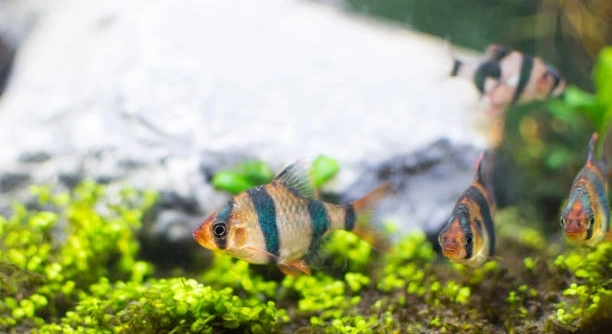
Do you ever find yourself noticing tension in your Barb tank, even when everything seems to be in order? Unexpected aggression, odd swimming patterns, or hiding behavior might be signs of something deeper going on beneath the surface.
Barb tank harmony is most commonly disrupted by environmental stressors, incompatible tank mates, poor water quality, overcrowding, lack of hiding spaces, improper diet, and inconsistent lighting. These factors can increase aggression, reduce activity, and impact overall fish health.
Understanding what causes these issues makes it easier to create a peaceful tank where your Barbs can thrive. Each point ahead highlights a key factor that might be affecting your setup.
Incompatible Tank Mates
Barbs are active and sometimes nippy fish, which means they don’t always get along with quieter or slower species. When they are kept with fish that don’t match their energy or temperament, stress levels rise across the tank. Fish like angelfish, guppies, or bettas may become targets for chasing or fin-nipping. This behavior is not always about aggression—it can also stem from boredom or lack of stimulation. Picking the wrong mix of fish can lead to hiding, loss of appetite, and frequent conflict. Choosing tank mates that can hold their own or match their activity is key to avoiding issues.
Choose fish that are fast-moving or of similar size and temperament. Species like danios, larger tetras, or rainbowfish usually make better companions.
Adding the wrong tank mates can cause constant stress in Barbs. Over time, this stress may weaken their immune system, making them more vulnerable to illness. It also reduces overall activity and dulls their colors. If your tank feels tense or if you notice one group dominating space or food, it might be time to reassess the mix. Swapping out incompatible fish for ones that share similar behavior can lead to a more balanced, peaceful environment where all species can thrive together without conflict.
Poor Water Quality
Dirty or unstable water can lead to quick shifts in behavior. Fish might start hiding, gasping, or swimming erratically.
Barbs are hardy but not immune to poor conditions. Elevated ammonia, nitrite, or nitrate levels can create long-term problems. They thrive in clean, well-filtered water with stable parameters. Regular maintenance, like partial water changes and filter cleanings, keeps the tank healthier and more balanced. Uneaten food and waste build up quickly, especially in tanks that are overfed or overcrowded. Monitoring water with test kits helps prevent harmful changes before they cause damage. Temperature and pH also matter—rapid changes can unsettle even the hardiest fish. If you notice dull colors or reduced activity, check your water immediately. Addressing quality problems early can prevent disease outbreaks, improve behavior, and help your Barbs stay active and social. A well-maintained tank leads to fewer problems and keeps your fish looking and feeling their best every day.
Overcrowding
Too many fish in one tank leads to constant stress. Barbs become territorial, chase each other more often, and compete for space. It also increases waste buildup, which impacts water quality faster than usual. This puts pressure on both the fish and the filtration system.
Barbs are social, but they need space to swim and establish their group behavior. In a crowded tank, even peaceful fish can turn aggressive or anxious. Each fish should have enough room to avoid constant interaction. A small tank filled with too many fish limits swimming space, disrupts schooling patterns, and causes confusion. When Barbs can’t form proper groups or feel trapped, their health and activity decline. You might notice faded colors, lowered appetite, or unusual behavior. Giving them more room helps reduce tension and encourages healthier movement, feeding, and interactions. Balance is essential when stocking a Barb tank.
If your tank feels chaotic, check your stocking levels. A good rule is to allow at least two gallons per Barb, more if other species share the space. Larger groups of Barbs do better in long tanks where they can form a clear hierarchy. This helps them school naturally, which lowers aggression. Overcrowding also makes routine care harder, especially when trying to manage feeding, cleaning, and disease control. Tight spaces can trap waste and food, leading to quicker changes in ammonia or nitrate levels. A well-planned setup with plenty of open swimming space helps prevent conflict, keeps the water cleaner, and supports your Barbs’ overall health and energy.
Lack of Hiding Spaces
Without hiding spots, Barbs may feel exposed and anxious. Even active swimmers need places to retreat. This helps them feel safe and reduces aggression. Lack of cover makes weaker fish targets for chasing and disrupts group balance.
Aquariums with open layouts may look clean, but they don’t always support fish behavior. Hiding spaces like plants, driftwood, or caves give Barbs the option to rest, avoid stress, and recover from conflict. These spots aren’t just for hiding—they help set boundaries in the tank. When Barbs know they can escape or take breaks, they behave more naturally. In tanks with no shelter, dominant Barbs may over-police the group, making it hard for others to eat or swim freely. Adding more cover can help even out power dynamics. It also encourages exploration and gives shy or smaller Barbs a better chance to thrive. Natural-looking layouts create a calmer, more balanced tank.
Improper Diet
Barbs need a balanced diet to stay healthy and active. A lack of variety or poor-quality food can lead to stress, aggression, and low energy. Feeding the same thing every day often causes nutritional gaps that affect both behavior and color.
Include high-quality flakes, pellets, and occasional live or frozen food. This variety helps meet their nutritional needs and keeps them more engaged during feeding time. Uneaten food should be removed quickly to avoid water issues that can add even more stress to the tank.
Inconsistent Lighting
Barbs thrive on routine. Unpredictable lighting or lights left on too long can confuse their sleep and feeding patterns, leading to stress. Use a timer to keep lighting regular, around 8–10 hours a day.
Boredom and Lack of Stimulation
Barbs are curious and active. A plain tank without plants, flow, or things to explore often leads to boredom. This can trigger fin-nipping or chasing, especially in smaller tanks. Keep them engaged with a changing layout, floating plants, or areas with current to explore.
FAQ
How many Barbs should be kept together for a peaceful tank?
Barbs are schooling fish and feel more secure in groups. Keeping at least six of the same species helps reduce aggression within the group. When kept in smaller numbers, Barbs often become more territorial and stressed, which leads to chasing and nipping. A larger group allows them to form a natural hierarchy and spread out their energy, creating a calmer environment. If possible, keep an even higher number in a spacious tank. This not only keeps them busy but also encourages better schooling behavior and more balanced interactions.
Can Barbs live with slow-moving or long-finned fish?
It’s best to avoid keeping Barbs with slow or long-finned fish like bettas, angelfish, or fancy guppies. Barbs tend to nip fins, especially if they feel bored or crowded. Slower fish often can’t escape or defend themselves, which leads to constant stress and injury. Even if the Barbs seem peaceful at first, nipping can still develop over time. If you want a peaceful community tank, choose fast, active fish that match the Barb’s energy level and swimming style. Compatibility goes beyond appearance—behavioral traits matter just as much when building a safe tank setup.
What tank size is best for keeping Barbs happy?
A 20-gallon tank is usually the bare minimum for a small group of Barbs. However, a longer tank—30 gallons or more—is better for swimming room and stability. Barbs are active swimmers and need horizontal space to move in groups. A cramped tank limits their natural behavior and increases tension. More space also means better water quality and easier control over temperature and waste. When planning a community tank with other species, always go bigger to reduce the chance of stress or territorial behavior. A spacious setup helps them stay active, social, and brightly colored.
How do I know if my Barb tank is too crowded?
Signs of overcrowding include constant chasing, fish hiding more often, dull color, reduced appetite, and rapid water parameter changes. You might also notice increased aggression during feeding or rest periods. If your filter needs cleaning more often or if fish seem restless, it could mean there’s not enough space. Count your fish and check your tank size. A good rule of thumb is one inch of fish per gallon, but Barbs do better with extra room. Spacing out decor and leaving open areas for swimming helps reduce the effects of a busy tank.
How can I reduce aggression in a Barb tank?
Start by checking group size, tank mates, and tank layout. Increase the school to at least six Barbs to ease tension. Remove slow or long-finned fish. Add plants, rocks, or driftwood to break up sightlines and create resting spots. Make sure the water quality is stable—poor conditions can increase irritability. A steady day/night cycle also helps with predictability. Feeding enough (but not too much) keeps fish focused and less likely to chase. If one fish is overly aggressive, consider rehoming or isolating it. A balanced tank setup makes a big difference in overall behavior.
Do Barbs need special lighting or temperature?
Barbs don’t need special lighting, but they benefit from a consistent light cycle—about 8–10 hours daily. Too much light can cause stress and algae growth, while too little may affect their color and activity. Use a timer for best results. As for temperature, they prefer a stable range between 74–79°F (23–26°C). Sudden shifts can lead to illness or stress. Avoid placing the tank near windows or heat sources, and use a reliable heater and thermometer to maintain balance. Stability is more important than hitting an exact number.
Why do my Barbs chase each other all the time?
Some chasing is normal, especially when Barbs are establishing their pecking order. In a well-sized group with enough space, this behavior usually calms down. But if the chasing is constant or leads to injury, something may be off. Common causes include a group that’s too small, an overcrowded tank, or lack of environmental stimulation. Check if all fish are eating well and showing normal behavior. If not, reevaluate the tank size, décor, and stock level. Chasing that doesn’t stop is often a sign the tank setup needs adjusting.
Final Thoughts
Keeping a peaceful Barb tank isn’t always easy, but it becomes more manageable when you understand what causes tension. Things like poor water quality, overcrowding, lack of hiding spots, and the wrong tank mates all affect how Barbs behave. These fish are naturally active and social, but they still need the right conditions to thrive. When their needs aren’t met, they may act aggressively, hide more often, or show signs of stress like dull color or poor appetite. By paying attention to the small details, you can prevent many of these problems before they start. A calm, clean tank makes a big difference in how your fish behave and feel.
It’s also important to look at the tank as a whole. Everything is connected—what you feed your Barbs, how often you clean the water, how much space they have, and even how the light is set up. When one thing is off, it can lead to a chain reaction that affects the entire tank. For example, a tank that’s too full can quickly lead to water quality issues, which then leads to stress and more aggressive behavior. Barbs do best in tanks where the environment stays consistent. That means steady temperatures, regular water changes, proper lighting, and a setup that allows them to move freely. A tank that supports their natural behavior leads to happier, healthier fish.
Sometimes, it takes a few changes to notice improvement. You might need to add more plants, switch out a few tank mates, or simply increase the size of the group. These small steps can create big improvements in tank harmony. Pay attention to how your Barbs act every day—things like how they swim, eat, and interact with each other. When your fish look relaxed, active, and colorful, it’s a good sign the environment suits them. A balanced Barb tank is not only better for the fish but also more enjoyable to watch. It feels more alive and natural. With a little time and care, you can create a space where your Barbs thrive and interact in a healthy, peaceful way.

Hello,
If you enjoy the content that we create, please consider saying a "Thank You!" by leaving a tip.
Every little bit helps us continue crafting quality advice that supports the health, happiness, and well-being of pets around the world, for pets of all shapes, sizes, and species.
We really appreciate the kindness and support that you show us!