
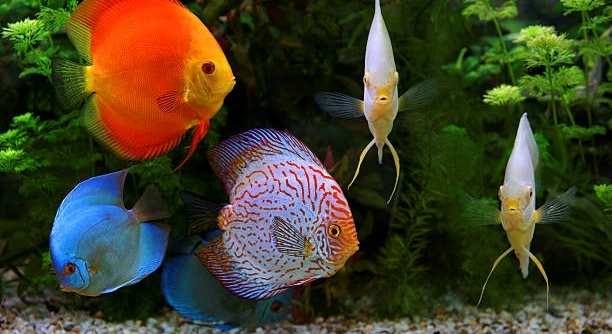
Many people enjoy keeping discus fish because of their beauty and unique behavior. However, getting discus to spawn can be tricky. Several common factors can discourage them from breeding in home aquariums.
Discus fish often refuse to spawn due to poor water quality, incorrect temperature, stress from tank mates, insufficient diet, lack of proper breeding sites, inadequate lighting, and frequent disturbances. These conditions negatively affect their natural breeding instincts.
Knowing these issues will help you create a better environment for your discus. Understanding what to avoid can improve their chances of successful spawning.
Poor Water Quality
Maintaining clean water is essential for discus to feel comfortable enough to spawn. Dirty water with high ammonia, nitrite, or nitrate levels causes stress and health issues, which disrupt breeding behavior. Regular water changes and good filtration keep the environment stable. Discus are sensitive to sudden changes in pH and hardness, so testing water parameters often is important. Using dechlorinated water helps prevent toxins from affecting the fish. Keeping the tank clean also reduces the risk of disease, which can easily stop discus from spawning. Paying close attention to water conditions shows in the fish’s health and willingness to breed. When water quality suffers, discus become stressed, hiding more and refusing to engage in spawning rituals.
Good water quality creates a healthy, stress-free environment. This encourages discus to breed naturally and improves the survival chances of their fry.
Ensuring proper water quality means checking pH, temperature, and chemical levels weekly. Avoid overcrowding and remove uneaten food promptly. Use a reliable filter and change 25-50% of the water every week. Consistency in these steps makes a big difference for discus to feel safe and ready to spawn.
Stress From Tank Mates
Discus are peaceful and sensitive fish that do not do well with aggressive or very active tank mates. Other fish that nip fins or compete for food can stress them out. Stress reduces their natural urge to breed and can even cause illness. When discus feel threatened, they focus on survival instead of spawning. Ideal tank mates are calm, small, and non-aggressive species like certain tetras or Corydoras catfish. Keep tank numbers low to reduce competition for space and resources. Providing plenty of hiding spots and plants helps discus feel secure. If the tank community is too crowded or aggressive, discus will likely delay or avoid spawning altogether. A peaceful, quiet tank environment is crucial for their breeding success.
Incorrect Temperature
Discus require stable water temperatures between 82°F and 86°F for spawning. Temperatures outside this range can delay or prevent breeding.
If the water is too cold, discus become less active and lose interest in spawning. Too warm water stresses them and lowers oxygen levels, which also stops breeding. A consistent temperature encourages their natural reproductive cycle. Using a reliable heater and thermometer helps maintain this balance. Sudden temperature changes create stress, so avoid rapid fluctuations during water changes or at night. Keeping the temperature steady supports hormone production needed for spawning behavior and egg development.
Many hobbyists overlook temperature stability, but it plays a critical role. Small temperature shifts might seem harmless, but discus are sensitive to these changes. Keeping the water in the correct range ensures the discus feel comfortable and ready to reproduce.
Lack of Proper Breeding Sites
Discus prefer flat surfaces like broad leaves or smooth rocks for laying eggs. Without these, they may not spawn at all. Providing suitable sites mimics their natural environment and encourages spawning. Leafy plants or breeding cones work well. Having multiple spots reduces competition and stress between pairs. Clean surfaces free from algae or debris help eggs attach properly and increase survival rates. A well-prepared tank with the right breeding sites shows discus they have a safe place to reproduce, making spawning more likely.
Insufficient Diet
Discus need a nutritious and varied diet to build energy for spawning. Feeding only flakes or pellets can leave them weak and uninterested in breeding.
Including live or frozen foods like bloodworms, brine shrimp, and beef heart supports their health. A balanced diet improves coloration and stamina, which are important during courtship and egg care. Without proper nutrition, discus may delay spawning or produce fewer eggs. Regular feeding of high-quality foods ensures they get the vitamins and proteins needed for reproduction.
Inadequate Lighting
Too much or too little light can disturb discus spawning behavior. A balanced lighting schedule, usually 10-12 hours daily, helps regulate their natural cycles.
Bright or constantly changing light causes stress and confusion. Keeping lighting consistent with a timer promotes comfort and normal activity. Proper lighting also encourages plant growth, which benefits tank conditions. Avoid harsh, direct lighting to reduce stress. Consistency in light exposure helps discus feel secure and ready to spawn.
Frequent Disturbances
Discus are sensitive to noise and movement around their tank. Frequent tapping, sudden motions, or loud sounds cause stress.
Stress from disturbances disrupts their natural behavior and lowers the chances of spawning. Keeping the tank in a quiet, stable area minimizes these problems. Reducing disturbances helps discus relax and increases the likelihood they will breed.
FAQ
Why are my discus not spawning even though the water looks clean?
Clean water is important, but it’s not just about how clear the water looks. Parameters like pH, hardness, ammonia, nitrite, and nitrate levels must be within the right range. Even small imbalances can stress discus and stop spawning. Testing water regularly with a reliable kit is essential. Also, stable water conditions matter more than occasional cleaning. Sudden changes during water changes or adding new fish can cause stress. Keep the tank stable and ensure the chemical balance matches discus needs for better spawning chances.
How often should I change the water for discus breeding?
Weekly water changes of 25-50% are ideal for discus breeding tanks. This helps keep nitrate levels low and prevents buildup of harmful substances. Frequent partial water changes maintain stability and reduce stress. Avoid changing too much water at once, as sudden shifts in water chemistry can disturb discus. Use dechlorinated water at the same temperature as the tank to avoid shock. Regular water maintenance encourages healthier fish and increases the chance they will spawn naturally.
Can I keep other fish with discus during breeding?
It’s best to keep the breeding tank mostly to the discus pair or a very peaceful community. Aggressive or very active fish can stress discus and interfere with spawning. Small, calm species like certain tetras or Corydoras catfish are usually safe. Avoid fin-nippers or overly competitive fish. If the tank feels crowded, discus may delay spawning or become aggressive themselves. Providing hiding spots can help, but a quiet environment focused on the breeding pair is the safest choice for successful spawning.
What is the best diet to encourage discus spawning?
A varied diet rich in protein helps discus build energy for breeding. Include live or frozen foods such as bloodworms, brine shrimp, and beef heart. These foods boost coloration, health, and stamina needed for courtship and caring for eggs. Supplement with high-quality pellets or flakes to provide vitamins and minerals. Feeding small amounts multiple times a day encourages healthy digestion and energy levels. Avoid overfeeding, which can pollute water and cause stress. Proper nutrition is key to successful breeding.
How important is temperature stability for discus spawning?
Temperature stability is very important. Discus prefer water between 82°F and 86°F for spawning. Fluctuations outside this range cause stress and disrupt their breeding cycle. Even a few degrees of sudden change can stop spawning behavior. Using a reliable heater and thermometer helps maintain steady temperature. Avoid placing the tank near drafts, heaters, or air conditioners that cause temperature swings. Consistent temperature supports hormone production and encourages natural spawning.
Why do discus need specific breeding sites?
Discus naturally lay eggs on smooth, flat surfaces like leaves or rocks. Without proper breeding sites, they feel unsafe to spawn. Providing clean broad leaves, breeding cones, or smooth stones encourages egg laying. Multiple sites reduce stress between pairs and give options if one spot is disturbed. Clean surfaces help eggs stick and prevent fungus growth. Proper breeding sites simulate natural conditions and make discus more willing to reproduce.
How does lighting affect discus spawning?
Lighting influences discus behavior and stress levels. Too much light or sudden changes can disturb their spawning cycle. Keeping a regular schedule of 10-12 hours of moderate light helps mimic natural conditions. Using a timer creates consistency and reduces stress. Balanced lighting also promotes healthy plant growth, improving water quality. Avoid harsh or flickering lights to keep discus comfortable and ready to breed.
What should I do if discus are stressed by frequent disturbances?
Place the tank in a quiet, low-traffic area away from loud noises and sudden movements. Avoid tapping on the glass or moving decorations suddenly. Stress from disturbances lowers spawning chances and can lead to illness. Provide hiding places like plants and caves to help discus feel secure. Maintaining a calm environment encourages natural behavior and increases the likelihood of successful breeding.
Final Thoughts
Getting discus to spawn can be a challenging task, but understanding what discourages them helps a lot. The health and comfort of the fish depend mainly on stable water conditions, proper diet, and a peaceful environment. Small mistakes in any of these areas can stop discus from breeding. Paying close attention to water quality, temperature, and tank mates makes a big difference. When the fish feel safe and stress-free, they are more likely to go through their natural spawning process.
Many problems happen because the tank setup does not match the discus’ natural needs. These fish prefer clean water with steady temperature, flat surfaces to lay eggs, and quiet surroundings. They also need nutritious food to build energy for spawning. Ignoring these factors can lead to frustration, as discus may hide or avoid spawning altogether. It’s important to create an environment that mimics their natural habitat as much as possible. This way, discus will feel comfortable and ready to reproduce.
Keeping discus happy and healthy takes patience and care. Changes should be slow and steady, avoiding sudden shifts in water conditions or tank setup. Watching the fish for signs of stress or illness can help catch problems early. Taking the time to learn about their specific needs improves the chances of successful breeding. With proper care, discus can thrive and provide the rewarding experience of watching them spawn and raise fry.

Hello,
If you enjoy the content that we create, please consider saying a "Thank You!" by leaving a tip.
Every little bit helps us continue crafting quality advice that supports the health, happiness, and well-being of pets around the world, for pets of all shapes, sizes, and species.
We really appreciate the kindness and support that you show us!