
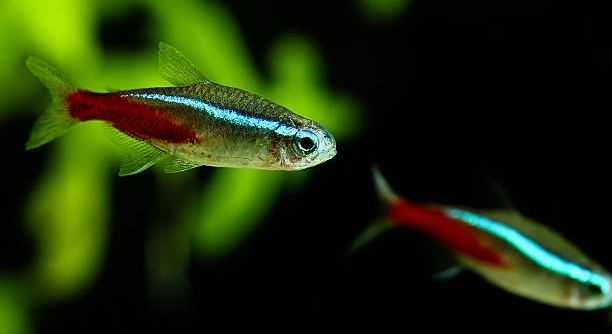
Are your tetras acting strangely, or has your clear tank suddenly turned cloudy with no clear reason? Maintaining a healthy aquarium for these small fish isn’t always easy, especially when balance is accidentally disrupted.
The most common reasons a tetra tank becomes unbalanced include overfeeding, poor filtration, irregular water changes, and introducing incompatible tank mates. Each of these factors can quickly upset the delicate environment your tetras depend on to stay healthy.
Even simple habits can lead to unexpected problems, so learning what to avoid is key to keeping your tetra tank stable.
Overfeeding Your Tetras
Feeding your tetras too much may seem harmless, but it’s one of the fastest ways to ruin tank balance. Uneaten food sinks to the bottom and starts breaking down, which increases ammonia levels and lowers water quality. Tetras are small and don’t need large amounts of food, so feeding them more than they can eat in a couple of minutes is often a mistake. Over time, this buildup leads to murky water and can stress or harm your fish. Stick to feeding small portions once or twice a day, and remove any leftover flakes after feeding.
Even if your fish seem hungry, resist the urge to give them more. Extra food doesn’t just sit there—it affects your entire tank.
If you notice cloudy water or sluggish fish, feeding might be the issue. A simple adjustment to how much and how often you feed your tetras can make a big difference. Consistency and restraint help maintain a clean tank and healthy fish. Always observe how much your tetras eat within two minutes, and avoid adding more. That small change supports better water quality and reduces the need for frequent tank cleanings.
Inconsistent Water Changes
Skipping water changes can lead to a buildup of toxins, making your tank unsafe for tetras. Even clear water can carry problems.
Changing water regularly keeps ammonia, nitrite, and nitrate levels under control. Tetras are sensitive to changes in water quality, and missing routine water changes allows waste and chemicals to collect over time. This weakens your fish and increases the risk of illness. Clean water also helps maintain pH levels and ensures the filtration system isn’t overloaded. A good rule is to change about 25% of the tank water weekly. Use a siphon to remove debris from the gravel and replace the old water with fresh, dechlorinated water at the same temperature. This keeps conditions stable and supports the overall health of your tank. Following a set schedule helps avoid stress and reduces the chances of algae blooms or disease.
Poor Filtration System
A weak or dirty filter allows harmful waste and toxins to build up quickly. This stresses your tetras and makes the tank unsafe, even if the water looks clear on the surface. Filtration should run smoothly 24/7 without interruption.
A good filter does three main things: removes debris, breaks down harmful chemicals, and keeps the water moving. If it’s clogged or too small for your tank size, these processes slow down or stop. This leads to poor oxygen levels and dirty water, which can trigger stress or illness in your tetras. It’s important to check your filter weekly and clean or replace the media as needed. Never rinse it in tap water—use tank water instead to protect helpful bacteria. Make sure the flow rate is strong enough for your tank size but gentle enough not to push the tetras around.
Some signs of poor filtration include cloudy water, algae buildup, or a strong smell. These issues don’t fix themselves and usually get worse over time. When the filter isn’t working right, your tetras are constantly exposed to unsafe water. This can weaken their immune systems and lead to diseases. Upgrading to a better filter or doing regular maintenance can fix these issues before they become harder to manage.
Overcrowding the Tank
Too many fish in a small tank leads to faster waste buildup and constant stress. This not only lowers water quality but also makes tetras more aggressive or shy. A cramped tank doesn’t allow fish to swim freely or claim their own space.
Tetras are schooling fish, so they need to be in groups, but that doesn’t mean you can keep unlimited numbers. A general rule is one inch of fish per gallon of water, but even this has limits. Filters, plants, and decorations take up space too. Overcrowding also reduces oxygen levels, which makes it harder for fish to breathe. You might see your tetras hanging near the surface or acting more restless than usual. It also makes diseases spread faster since sick fish are in constant contact with others. To avoid this, research how many tetras your tank can truly support and don’t exceed that number. Keeping the group size balanced supports both water quality and fish behavior.
Adding Incompatible Tank Mates
Some fish are too aggressive or active to live with tetras. These fish may chase or nip fins, causing stress and injury. Constant stress weakens your tetras’ immune systems and affects their normal behavior and appetite.
Even peaceful fish can disrupt the tank if their care needs are too different. Some require warmer water, different pH, or special diets. Keeping them with tetras creates an unstable environment.
Sudden Changes in Water Conditions
Sudden shifts in temperature, pH, or hardness can shock your tetras. These changes often happen during water changes or when adding new items to the tank. Tetras are sensitive to instability, and sharp differences in conditions can lead to illness or even death. Use a thermometer and water testing kit regularly. When adding new water, always match temperature and use dechlorinator. Make any adjustments slowly over time, not all at once. This gives your tetras time to adapt. Stability is more important than perfection when it comes to water parameters, especially in small tanks where things shift faster.
Using Harsh Chemicals
Household cleaners and strong chemicals near the tank can contaminate the water. Even a small amount can harm your tetras. Always wash your hands and tools with water only before placing them in the tank.
How often should I feed my tetras?
Feeding your tetras once or twice a day with a small amount of food they can eat within two minutes is best. Overfeeding can cause leftover food to decay, raising toxins in the tank. This harms water quality and stresses your fish. Stick to measured portions and remove uneaten food promptly.
What is the best way to perform water changes?
Change about 25% of the water weekly to keep toxin levels low. Use a siphon to remove debris from the gravel while draining water. Always add fresh, dechlorinated water that matches the tank’s temperature. Avoid large water changes suddenly, as this can shock your tetras.
How do I know if my filter is working properly?
Check that your filter runs continuously with steady water flow. Clean the filter media regularly using tank water to keep beneficial bacteria alive. If water becomes cloudy or smells bad, the filter may be clogged or too weak. Replace or upgrade your filter if needed to maintain healthy water.
Can I keep other fish with my tetras?
Choose tank mates carefully. Avoid aggressive or large fish that may bully or stress your tetras. Stick with peaceful species that prefer similar water conditions. Research compatibility before adding new fish to avoid upsetting your tank’s balance.
Why is my tank water cloudy even though I clean it often?
Cloudy water can result from overfeeding, poor filtration, or excess waste buildup. Check that you aren’t feeding too much and that your filter is properly sized and maintained. Also, ensure you do regular water changes to keep toxin levels low.
How do sudden water changes affect tetras?
Rapid shifts in temperature, pH, or hardness can shock your tetras, causing stress and health problems. Always test water before adding it and make changes slowly. Matching new water’s temperature and chemistry helps tetras adjust without harm.
What signs show my tetras are stressed?
Look for unusual hiding, clamped fins, loss of appetite, or erratic swimming. These signs indicate your tetras are uncomfortable with their environment, often caused by poor water quality, overcrowding, or incompatible tank mates. Address these issues quickly to improve their health.
Can I use chemicals to clean my tank?
Avoid household cleaners or harsh chemicals near the aquarium. Residues can enter the water and poison your fish. Only use products designed specifically for aquarium use, and rinse all tools and hands with plain water before contact with the tank.
How many tetras can I keep in my tank?
A common rule is one inch of fish per gallon of water, but this depends on your filter strength, decorations, and tank layout. Overcrowding leads to poor water quality and stressed fish. Keep the group size balanced to maintain stability and healthy fish behavior.
What should I do if my tetras get sick?
Isolate sick fish if possible and test water quality immediately. Poor conditions often contribute to illness. Treat with appropriate medication after confirming the disease. Improving water quality and reducing stress factors helps recovery. Regular tank maintenance is key to prevention.
Keeping a tetra tank balanced requires attention to many small details. Even simple habits, like how much you feed or how often you change the water, can have a big impact on the health of your fish. It’s easy to overlook these steps when caring for an aquarium, but they are important for maintaining a clean and stable environment. When everything works together — proper feeding, good filtration, regular water changes, and the right number of fish — your tetras will be much happier and healthier.
Many problems in a tetra tank come from things that seem harmless at first. Overfeeding is one example that often leads to poor water quality and stress. Adding fish that don’t get along or suddenly changing water conditions can also cause trouble. These mistakes create an environment where your tetras cannot thrive. Taking time to understand their needs and watching for signs of stress can help you catch issues early. With simple changes, many common problems are easy to fix and prevent.
A well-maintained tank is not only better for your fish but also more enjoyable to care for. Clear water, active swimming, and healthy tetras make the effort worthwhile. Keeping to a routine and staying consistent with tank care builds a balanced home for your aquatic pets. While mistakes can happen, learning from them improves your skills over time. The key is to pay attention and make small adjustments when needed, so your tetra tank remains a peaceful and healthy place for your fish to live.

Hello,
If you enjoy the content that we create, please consider saying a "Thank You!" by leaving a tip.
Every little bit helps us continue crafting quality advice that supports the health, happiness, and well-being of pets around the world, for pets of all shapes, sizes, and species.
We really appreciate the kindness and support that you show us!