
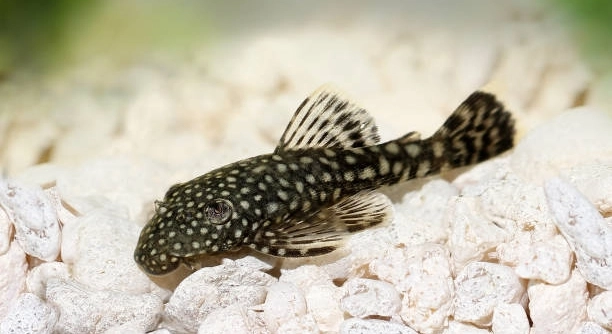
Are your plecos showing signs of barbel damage, and you’re not quite sure what could be causing it in your aquarium setup?
Barbel damage in plecostomus is often caused by rough substrate, poor water quality, aggressive tank mates, nutritional deficiencies, bacterial infections, overcrowding, and lack of proper hiding spaces. Each factor plays a role in their health.
Knowing what affects their sensitive barbels can help you create a safer, more comfortable environment for your plecos to thrive in.
Rough Substrate Can Scratch and Damage Barbels
Rough or sharp substrate is one of the most common causes of barbel injuries in plecostomus. These bottom-dwellers spend a lot of time searching for food along the tank floor. When the gravel or sand is coarse, it can scrape their delicate barbels. Over time, constant contact with abrasive surfaces can lead to fraying, sores, and even infections. Smooth sand or fine gravel is a much safer option. It helps keep the barbels clean and intact while allowing natural feeding behavior. If you’re using large, jagged rocks or rough gravel, consider switching them out. It’s also important to clean the substrate regularly to prevent waste buildup, which can make any injuries worse. Plecos rely on their barbels to sense food and navigate their environment, so protecting them is essential to their well-being. Making a small change in substrate texture can have a big impact on your pleco’s comfort and health.
Rough substrate doesn’t just look uncomfortable—it truly affects the fish. Their barbels are sensitive, and once damaged, they may not fully recover without the right changes in their tank setup.
Choosing a smoother substrate is one of the simplest ways to support healthy barbels. It also helps create a cleaner, safer space for your pleco to forage comfortably.
Poor Water Quality Affects Healing and Health
Even with a soft substrate, dirty water can slow healing and lead to more damage. Clean, stable water conditions are important for keeping barbels healthy.
When the water is high in ammonia or nitrites, or if the pH fluctuates too much, plecostomus can develop stress and infections that target their barbels. These conditions weaken their immune system, making it harder for them to heal from minor scratches or natural wear. On top of that, if the tank is not properly cycled or if water changes are skipped, bacteria can build up and target damaged tissue. Over time, the barbels may deteriorate completely. Testing the water regularly and performing consistent water changes can help maintain a healthy balance. Aim to keep the tank stable with low nitrate levels and the right temperature for your specific pleco species. Don’t forget about the filter—clogged or inefficient filters lead to poor circulation and waste buildup. A clean tank supports recovery and prevents further harm.
Aggressive Tank Mates Can Cause Physical Harm
Some fish may nip at plecos or bully them when they’re resting. Constant harassment can lead to barbel injuries or even infections if wounds are left untreated.
Plecostomus are generally peaceful, but not all fish make good tank mates. Fast, territorial, or fin-nipping species may see plecos as an easy target, especially when they are resting or feeding. This stress and physical aggression can lead to shredded barbels, open wounds, and avoidance behavior, where the pleco hides constantly and stops foraging. It’s important to choose compatible fish that won’t fight over space or food. Adding hiding spots like driftwood, caves, or plants can also help plecos avoid confrontation. Monitoring tank behavior, especially during feeding, can reveal if one species is being too aggressive. Any sign of bullying should be taken seriously to prevent long-term harm to your pleco’s barbels and overall health.
If you’re noticing torn fins or missing barbel tips, it might not be due to the environment but rather from tank mate aggression. Some fish are simply not suitable to live with plecos. Even fish of the same size or slightly smaller can become territorial. This kind of stress weakens a pleco’s immune system, making it harder for them to recover from minor injuries. Removing overly aggressive fish can give your pleco a better chance at healing and thriving.
Lack of Hiding Spots Increases Stress and Injury
When plecos don’t have enough shelter, they become stressed and exposed. This stress causes them to move more, increasing the risk of bumping into rough surfaces or encountering aggressive fish.
Hiding spaces are more than just decorative. Plecostomus need quiet, dark spots to feel secure. Without them, they may become hyperactive at night or remain out in the open during the day, making them easy targets. They also tend to rub against decorations or glass trying to escape stress, which can damage their barbels over time. Simple additions like driftwood, caves, or PVC pipes provide resting zones that mimic their natural environment. These safe spaces help reduce movement caused by stress and keep their barbels from getting scraped or bitten. A well-decorated tank not only looks better but creates a calming environment where your pleco can stay healthy, both physically and mentally.
Nutritional Deficiencies Weaken Barbels Over Time
A poor diet can lead to weak tissue, making barbels more likely to tear or break. Plecos need more than algae wafers to stay healthy and strong.
Feeding only one type of food can lead to imbalances. Vegetables, protein, and calcium-rich options support stronger barbels and better healing.
Bacterial Infections Eat Away at Damaged Tissue
Barbels with small wounds can quickly become infected if bacteria are present in the tank. Dirty water, leftover food, and waste can allow bacteria to thrive. Once infected, barbels may rot or disappear. Treating the tank with antibacterial products and keeping conditions clean helps prevent this from getting worse.
Overcrowded Tanks Increase Risk of Injury
Too many fish in one tank causes competition for space and food. Plecos may rub against decorations or other fish more often, leading to barbel damage.
FAQ
How long do plecostomus barbels take to heal?
Barbels can take a few weeks to a couple of months to heal, depending on the cause and the tank conditions. If water quality is high and the source of irritation is removed, healing happens faster. Feeding a balanced diet and adding hiding spots also support recovery. If the damage is from infection or aggressive tank mates, healing may take longer, and in some cases, barbels may not fully grow back. Focus on giving the pleco a clean, calm space with proper care to help the tissue regenerate safely over time.
Can barbels grow back completely after damage?
Sometimes barbels grow back fully, but not always. If the damage is minor and the pleco is healthy, full regrowth is possible. However, repeated injuries or infections can cause permanent shortening or deformation. Clean water and a soft substrate improve the chance of regrowth. Once a barbel is too damaged, it may not return to its original length or shape. You can still support your pleco’s health by preventing further injury and maintaining a steady environment.
What does a damaged barbel look like?
Damaged barbels often appear frayed, shortened, or missing entirely. You might also see red or white patches, swelling, or dark edges around the wound. Infections may cause the barbel to rot, turn white, or disappear in sections. If the area around the mouth looks irritated or raw, it’s usually a sign of barbel damage. Regular tank checks help you spot these early before the condition worsens. If you notice sudden changes in behavior like hiding or not feeding, check the barbels as part of your inspection.
What kind of substrate is safe for plecos?
Fine sand or smooth, rounded gravel is safest. Avoid crushed coral, sharp gravel, or jagged rocks that can scrape their barbels. Sand allows them to dig and forage naturally without causing damage. You can also find aquarium-safe plant soil mixes that work well with plecos. Before switching substrate, clean the new material thoroughly and introduce it slowly to reduce stress. If you’re unsure, run your fingers through it—if it feels rough to you, it’s likely too harsh for plecos.
Can poor diet really affect barbel health?
Yes, it can. Barbels are sensitive tissues, and like other parts of the body, they rely on proper nutrition to stay strong. A pleco eating only algae wafers may lack key vitamins, protein, and minerals. Over time, this can weaken tissue and slow healing. A better diet includes vegetables like zucchini, green beans, and spinach, plus some occasional protein like shrimp or high-quality sinking pellets. A calcium source, like cuttlebone, can also help support tissue structure and repair.
Are plecos okay in community tanks?
They can be, but it depends on the tank mates. Peaceful species that don’t nip or compete for bottom space are best. Avoid aggressive fish, especially those that chase or bite at slow-moving tank mates. Cichlids, some barbs, or fast swimmers can stress out plecos. Stick to calmer species like tetras, rasboras, or snails. Always watch interactions during feeding and hiding times. If you see your pleco getting pushed around or hiding constantly, consider moving the more aggressive fish to another tank.
What should I do if barbel damage doesn’t improve?
Start by checking water parameters—ammonia, nitrite, nitrate, and pH should all be within a safe range. Make sure the substrate isn’t sharp and the tank mates aren’t causing stress. Improve the diet and provide more hiding spaces. If there’s no sign of healing after a few weeks, you may need to treat for bacterial infection. Use aquarium-safe treatments as directed. Sometimes it helps to isolate the pleco in a recovery tank with soft substrate and perfect water conditions to give them a better chance to heal.
Final Thoughts
Taking care of a plecostomus means paying attention to the small things. Their barbels may not seem like a big deal at first, but they are important for how the fish eats, moves, and interacts with its surroundings. When barbels get damaged, it often points to something wrong in the tank—whether it’s the substrate, water quality, tank mates, or diet. These injuries are not just cosmetic. They can lead to pain, infection, and stress for your pleco. By noticing the signs early and making small changes, you can avoid long-term problems and help your pleco feel more secure and comfortable in its space.
You don’t need to spend a lot of money or time to prevent barbel damage. Most of the changes are simple. Swapping out sharp gravel for soft sand, adding a few hiding spots, and feeding a more balanced diet all make a big difference. Doing regular water changes and checking your filter also keeps the environment clean and healthy. A little bit of extra care goes a long way. If you take the time to observe your pleco and adjust things as needed, you’re more likely to catch small issues before they become serious. It also helps your fish live a longer, healthier life.
In the end, keeping a plecostomus is about more than just setting up a tank and walking away. It’s about creating a stable, safe space where your fish can grow and thrive. Their barbels are a clear sign of how well you’re doing that. Healthy barbels mean your pleco is getting what it needs—from food and clean water to protection and calm surroundings. If you’ve noticed damage or wear, don’t be discouraged. Most problems can be fixed with a few thoughtful changes. Just take it one step at a time. When your pleco starts to act more relaxed, forage more, or show signs of regrowth, you’ll know your effort is paying off.

Hello,
If you enjoy the content that we create, please consider saying a "Thank You!" by leaving a tip.
Every little bit helps us continue crafting quality advice that supports the health, happiness, and well-being of pets around the world, for pets of all shapes, sizes, and species.
We really appreciate the kindness and support that you show us!