
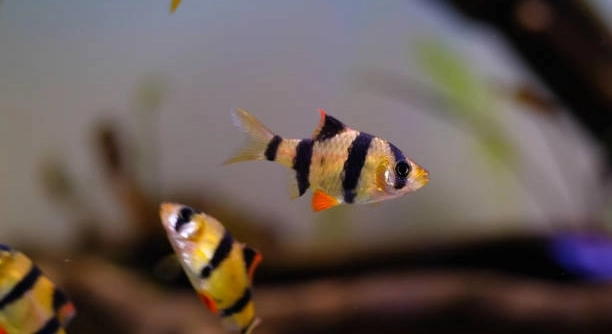
Are your barbs acting skittish, hiding more than usual, or refusing to eat even their favorite treats? Stress might be the cause. Learning what affects them can make a big difference in their daily comfort.
Barbs can become stressed due to poor water quality, overcrowding, sudden environmental changes, lack of hiding spaces, incompatible tank mates, loud noises, and inconsistent lighting. These factors trigger anxiety, impacting their health, behavior, and overall well-being in the aquarium.
Knowing these common triggers helps you create a calmer environment that supports both their health and happiness over time.
Poor Water Quality
Barbs are very sensitive to changes in water quality. Even small shifts in ammonia, nitrites, or pH can lead to stress. Dirty water builds up quickly, especially in crowded tanks or ones with infrequent maintenance. When waste accumulates, oxygen levels drop and toxins rise, causing barbs to breathe heavily or lose color. If the water isn’t properly filtered or changed often enough, it creates a stressful, unhealthy space for them. This stress can lead to disease, poor appetite, and erratic swimming. Regular testing and timely water changes are essential. Make sure the filter is functioning well, and don’t rely on it alone—manual cleaning matters too. Clean substrates, remove debris, and keep an eye on the water temperature, which should stay between 74°F and 80°F. Poor water conditions are one of the most common reasons fish become stressed and start acting differently, so staying consistent with care routines is key.
A well-maintained tank gives barbs the stable environment they need to stay calm, active, and healthy.
Use a liquid test kit instead of strips for more accurate results. Test weekly and do partial water changes of 20–30% regularly. Be careful not to change too much water at once, as this also causes stress.
Overcrowding
Too many fish in one tank causes constant competition for space, food, and oxygen. Barbs are fast swimmers and need plenty of room to move around freely.
Overcrowding leads to increased waste and poor water quality, which stresses barbs even further. When barbs feel trapped or chased too often, they become more aggressive or start hiding. A stressed barb may nip at others or become lethargic. The minimum recommended tank size for a small school of barbs is 20 gallons, but larger is better. For each new barb, you need extra space to prevent conflict. It’s also important to maintain a proper balance of tank mates. Avoid placing barbs with long-finned or slow-swimming fish, as this can create even more tension. Barbs thrive in small schools of at least five or six. With enough room, they form natural hierarchies and reduce aggression. Giving them open swimming areas, along with planted zones for cover, helps them feel secure. If the tank feels cramped or you notice increased chasing or hiding, it may be time to upgrade or reduce the fish population.
Sudden Environmental Changes
Barbs can’t adapt quickly to sudden changes in their surroundings. Shifts in temperature, lighting, or decor can confuse or scare them. When changes happen too fast, barbs often hide, lose color, or stop eating for a while.
Changing tank decorations, adding new equipment, or shifting plants can make barbs feel unsafe. Even moving the tank to a different location in the room can throw them off. If you’re adjusting the temperature, do it gradually—no more than 2°F per day. When introducing new items, do it one at a time, giving barbs time to adjust. Keep lighting consistent by turning it on and off at the same time daily. Sudden darkness or bright light can startle them, so use a timer if possible. Making slow, small changes over several days gives them the chance to feel secure. Stability is what helps barbs remain calm and behave normally.
When rearranging or cleaning the tank, always return items to familiar spots. Drastic shifts confuse barbs and disrupt their sense of territory. When changes are necessary, observe your barbs closely afterward. If you notice signs of stress—like darting, hiding, or clamped fins—give them time to settle before making further changes. Slow adjustments keep them balanced and at ease.
Incompatible Tank Mates
Barbs are active and sometimes nippy, which can create tension with slower or more passive fish. Long fins can attract their attention and trigger chasing or biting, adding stress for everyone involved.
Housing barbs with peaceful or slow-swimming species often leads to problems. Fish like angelfish, guppies, or bettas can become targets. Barbs may mistake their long fins for food or get overly curious, leading to nipping. On the other hand, placing barbs with aggressive or territorial fish causes stress from being chased or bullied themselves. A stressed barb may hide constantly or lash out. Choose tank mates with similar activity levels—danios, rasboras, or other semi-aggressive schooling fish tend to do well. Keep barbs in groups of at least five to spread out any nipping behavior within their own school. This helps lower stress and improves social structure. Compatibility matters as much as water conditions when it comes to creating a peaceful tank.
Spacing also plays a big role in reducing tension. Give all fish enough room to swim, hide, and establish their own territories. Add visual barriers like plants or rocks to break up sightlines. This lets barbs interact naturally without overwhelming or cornering other fish. A balanced mix keeps the tank peaceful and reduces stress-related behaviors.
Lack of Hiding Spaces
Barbs need places to retreat when they feel threatened or overwhelmed. A tank with no plants, caves, or decorations leaves them exposed, which causes stress. Even active fish need shelter to feel safe and secure.
Adding live or artificial plants, rocks, and driftwood gives barbs spaces to rest and hide. It also reduces chasing and aggression in the tank by creating visual breaks and personal zones. These features help barbs feel more relaxed and display natural behaviors.
Loud Noises and Vibrations
Sudden noises, constant vibrations, or heavy foot traffic near the tank can startle barbs. Their lateral line system picks up these movements, making them feel like something is wrong. Stress from frequent noise leads to hiding, reduced activity, and even a weakened immune system over time.
Inconsistent Lighting
Inconsistent lighting disrupts barbs’ sense of time and rest. Without a stable light schedule, they may become restless or stressed. Using a timer helps keep things predictable, which barbs depend on for staying calm and active.
FAQ
What are the most common signs of stress in barbs?
Barbs show stress through changes in behavior and appearance. They may hide more often, swim erratically, or become unusually aggressive. Loss of color, clamped fins, and refusal to eat are also common signs. Watching for these symptoms early helps prevent serious health issues.
How often should I test my tank water to keep barbs stress-free?
Testing water once a week is ideal. This schedule helps catch harmful spikes in ammonia, nitrites, or nitrates before they affect your fish. Using a reliable liquid test kit gives the most accurate results. Keeping water parameters stable is key to avoiding stress.
Can I keep barbs with other fish?
Yes, but tank mates must be carefully chosen. Barbs do best with similarly sized, active fish like danios or rasboras. Avoid slow-moving or long-finned species that can be targets for nipping. Always observe interactions and be ready to separate fish if needed.
How many barbs should I keep together?
Barbs are schooling fish and should be kept in groups of at least five or six. Smaller groups may become stressed or aggressive. Larger groups help spread out natural nipping behavior and encourage more natural social interaction.
What is the best tank size for barbs?
A minimum of 20 gallons is recommended for a small school of barbs. Larger tanks provide more swimming space and reduce territorial behavior. Adding plants and hiding spots improves their comfort and reduces stress.
How do I gradually introduce changes to the tank?
Make one change at a time, and allow a few days for your barbs to adjust before making another. For example, when changing water temperature, adjust it slowly by no more than 2°F per day. Moving decorations or adding plants should be done carefully to avoid startling them.
What kind of diet reduces stress in barbs?
A varied diet with high-quality flakes, pellets, and occasional live or frozen foods keeps barbs healthy and satisfied. Feeding small amounts multiple times a day helps maintain their energy and reduces competition and aggression during feeding.
Can barbs recover from stress on their own?
Some mild stress is temporary, and barbs can recover with proper care and a stable environment. However, prolonged stress weakens their immune system and can lead to illness. Addressing the root cause quickly improves their chances of full recovery.
Are there specific plants or decorations that help reduce stress?
Dense plants like Java fern, Anubias, or floating plants offer excellent cover. Smooth rocks and driftwood create natural hiding spots. Avoid sharp or rough decorations that could injure barbs during fast swimming or chasing.
How important is lighting for barb stress?
Lighting plays a big role in their daily rhythm. Using a timer to maintain consistent light and dark periods helps regulate their behavior. Sudden changes or irregular lighting schedules can cause confusion and stress, so consistency is essential.
What should I do if barbs start showing stress signs?
First, test the water to rule out quality issues. Check for overcrowding or bullying from other fish. Make sure temperature and lighting are stable. Adding more hiding spots or rearranging the tank slowly can also help. If stress persists, consult an aquatic specialist.
Is it normal for barbs to nip fins, and how does this relate to stress?
Barbs naturally nip fins, especially when stressed or bored. Nipping is more frequent in overcrowded tanks or when the school is too small. Providing enough space, tank mates, and enrichment reduces this behavior and lowers overall stress.
How do I know if my barbs are getting enough oxygen?
Barbs gulping at the surface or staying near filters may signal low oxygen levels. Proper aeration with air stones or good water flow helps maintain oxygen. Regular water changes also prevent oxygen depletion caused by waste buildup.
Can stress cause diseases in barbs?
Yes, stress weakens the immune system, making barbs more susceptible to infections like ich, fin rot, or fungal diseases. Maintaining a stable, clean environment and minimizing stress factors helps keep diseases at bay.
Are barbs sensitive to temperature changes?
Barbs prefer temperatures between 74°F and 80°F. Sudden drops or spikes can cause shock and stress. Using a heater with a reliable thermostat and monitoring daily keeps temperatures stable and barbs comfortable.
What is the impact of loud noises around the aquarium?
Frequent loud sounds or vibrations can startle barbs, causing stress behaviors like hiding or frantic swimming. Placing the tank away from noisy areas or using sound-absorbing materials nearby reduces these disturbances.
Final thoughts on caring for barbs focus on creating a stable, comfortable environment. Barbs are sensitive fish that react quickly to changes in their surroundings. Keeping their tank clean and well-maintained is essential. Regular water testing and partial water changes prevent harmful buildups of toxins. Stable water conditions help barbs feel secure and reduce stress-related health problems. It is important to maintain proper temperature, pH, and oxygen levels, as fluctuations can cause discomfort and illness. A clean tank also supports the growth of beneficial bacteria that keep the ecosystem balanced.
Another key aspect of barb care is providing enough space and hiding places. Barbs are active swimmers and need room to move freely. Overcrowding creates stress and leads to aggressive behavior. Giving them plenty of space allows them to swim naturally and interact positively. Adding plants, rocks, and decorations offers shelter where barbs can hide or rest. These hiding spots help reduce anxiety and offer protection from bullying. Careful selection of tank mates is just as important. Choosing fish with similar activity levels prevents conflicts and stress in the tank. Barbs do best in schools of five or more, which helps them feel safe and lowers aggression.
Lastly, consistency is critical for keeping barbs happy and healthy. Sudden changes in temperature, lighting, or tank setup upset their routine and increase stress. Gradual adjustments and stable conditions support their natural behaviors and well-being. A varied, nutritious diet is also essential. Feeding them quality flakes, pellets, and occasional live or frozen foods provides balanced nutrition. Monitoring barbs for signs of stress and addressing problems early improves their chances of recovery. With steady care, patience, and attention to their needs, barbs can thrive in the home aquarium for years.

Hello,
If you enjoy the content that we create, please consider saying a "Thank You!" by leaving a tip.
Every little bit helps us continue crafting quality advice that supports the health, happiness, and well-being of pets around the world, for pets of all shapes, sizes, and species.
We really appreciate the kindness and support that you show us!