
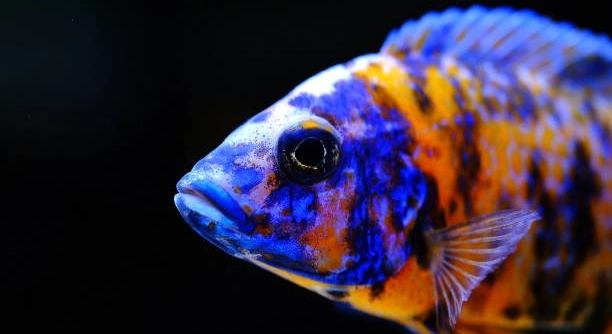
Cichlids are beautiful and popular fish kept in home aquariums. Many people enjoy watching them thrive, but sometimes their lifespan can be shorter than expected. Knowing what affects their health is important for any fish owner.
Several factors can shorten a cichlid’s lifespan, including poor water quality, incorrect diet, overcrowding, stress, lack of proper filtration, inadequate tank size, and diseases. These issues can harm the fish’s immune system and overall well-being, leading to a shorter life.
Learning about these risks helps ensure your cichlids stay healthy and live longer. This article will explain the main problems that could affect their lifespan and what to watch out for.
Poor Water Quality
Keeping water clean is one of the most important parts of caring for cichlids. Dirty water builds up quickly if the tank is not cleaned regularly. Waste, leftover food, and chemicals like ammonia can harm the fish. Poor water quality stresses cichlids and weakens their immune systems. This can make them more likely to get sick and shorten their lifespan. Testing the water often and doing partial water changes are simple ways to keep the tank healthy. Filters also help remove harmful substances. Without proper water care, even strong fish can struggle to survive.
Regular water changes and testing prevent dangerous levels of toxins. Clean water helps cichlids live longer and stay active.
Many cichlid owners do not realize how quickly water conditions can change. Even if a tank looks clean, harmful chemicals may be building up beneath the surface. Testing kits measure ammonia, nitrites, nitrates, and pH to ensure everything is balanced. Partial water changes remove waste and refresh oxygen. Over time, neglecting water quality leads to stress, disease, and early death. A well-maintained tank creates a stable environment that supports fish health. Filters and aerators improve water movement and cleanliness. By monitoring and adjusting water regularly, cichlid owners give their fish the best chance for a full life.
Incorrect Diet
Feeding cichlids the wrong food can cause health problems that reduce their lifespan.
A diet lacking essential nutrients weakens fish, making them prone to illness. Cichlids need a balanced mix of proteins, vitamins, and minerals.
It’s important to offer high-quality pellets or flakes designed for cichlids. Supplementing with live or frozen foods like brine shrimp or bloodworms adds variety and nutrition. Avoid overfeeding, as leftover food can pollute the water. Some foods may cause digestive issues or obesity if given too often. Feeding a proper diet supports immune function, growth, and energy. Paying attention to what and how much you feed your cichlids helps maintain their health and longevity.
Overcrowding
Too many cichlids in one tank cause stress and aggression. Crowded conditions reduce oxygen and increase waste quickly.
Overcrowding leads to competition for space, food, and hiding spots. Aggressive behavior rises, causing injuries or constant stress. This stress lowers immunity, making fish vulnerable to diseases. Water quality also worsens faster with more fish, requiring more frequent maintenance. Tank size must match the number and size of cichlids to prevent these issues. Providing enough room helps maintain peace and health in the aquarium.
Proper stocking limits allow cichlids to swim freely and establish territories. A peaceful environment encourages longer, healthier lives for your fish.
Stress and Disease
Stress weakens cichlids’ immune systems, making them more likely to get sick. Stress can come from poor water conditions, bullying, or sudden changes.
Diseases often enter tanks through new fish or poor hygiene. Bacterial, fungal, and parasitic infections can spread quickly in a stressed group. Early detection and treatment are crucial to prevent outbreaks. Quarantining new fish before adding them to the tank reduces risks. Regular observation helps catch signs like discoloration, abnormal swimming, or loss of appetite. Maintaining stable water conditions and reducing stress improve resistance to illness. Keeping the tank clean and avoiding overcrowding also limits disease spread, protecting your cichlids’ health and lifespan.
Lack of Proper Filtration
A good filter is essential for a healthy cichlid tank. It removes waste and toxins that build up quickly.
Without proper filtration, water quality drops fast. This creates an unhealthy environment that stresses fish and shortens their lifespan.
Inadequate Tank Size
Cichlids need enough space to swim and establish territories. Small tanks limit their growth and cause stress.
Keeping cichlids in tanks that are too small leads to poor health. Larger tanks support better water quality and reduce aggression, helping fish live longer.
Diseases
Diseases can spread quickly if not controlled. Regular tank cleaning and quarantine help prevent outbreaks.
Preventing disease through good hygiene and observation is key to keeping cichlids healthy and extending their lifespan.
FAQ
What are the signs that my cichlid’s lifespan is shortening?
Watch for changes like loss of appetite, sluggish swimming, faded colors, and unusual spots or sores. These signs often indicate stress, illness, or poor water conditions. Early detection helps you take action before problems become severe. Regular observation is key to keeping your cichlids healthy.
How often should I test my aquarium water?
Testing water weekly is best, especially for ammonia, nitrites, nitrates, and pH. These levels can change quickly and impact fish health. Frequent testing helps catch problems early. If your tank is new or heavily stocked, you might test more often until the environment stabilizes.
What is the ideal tank size for cichlids?
Tank size depends on the species, but a minimum of 30 gallons for smaller cichlids and 50 gallons or more for larger species is recommended. More space reduces stress and aggression. Always research the specific needs of your cichlid type to provide enough room for swimming and territory.
How can I prevent aggression among cichlids?
Providing enough space and hiding spots lowers aggression. Avoid overcrowding and choose compatible species. Adding rocks, plants, or decorations creates territories and safe zones. Regular monitoring helps catch aggressive behavior early so you can separate or rearrange as needed.
What foods are best for cichlids?
High-quality pellets or flakes made for cichlids are a good base. Supplement with live or frozen foods like brine shrimp, bloodworms, or daphnia. Variety ensures balanced nutrition. Avoid overfeeding, which pollutes water and causes health issues. Feeding small amounts 2–3 times daily works well.
How often should I perform water changes?
Changing 20-30% of the water weekly keeps the tank clean and safe. Water changes remove toxins and replenish minerals. Adjust frequency if your tank is crowded or water tests show poor quality. Regular maintenance supports strong immune systems and longer lifespans.
Can I mix different cichlid species in one tank?
Mixing species is possible but requires care. Choose species with similar temperaments and tank needs. Avoid combining very aggressive with peaceful fish. Provide enough space and hiding spots to reduce conflict. Research each species before mixing to ensure compatibility.
What should I do if my cichlid gets sick?
Isolate the sick fish to prevent spreading disease. Test water and correct any issues. Use appropriate medication based on symptoms and diagnosis. Follow instructions carefully. Improving water quality and reducing stress helps recovery. Consulting an aquatic vet or experienced hobbyist can be helpful.
How do I set up a quarantine tank?
A quarantine tank should be separate from the main aquarium with its own filter and heater. Keep new fish there for at least two weeks to watch for illness. This prevents introducing diseases to your main tank. Use this space to treat any sick fish safely.
Why is my cichlid losing color?
Color loss can result from stress, poor water quality, disease, or inadequate diet. Address these issues promptly. Healthy fish show vibrant colors. Improving tank conditions and diet often restores their natural appearance over time.
These answers cover common concerns that can affect your cichlid’s health and lifespan. Staying informed and proactive helps create a better home for your fish.
Caring for cichlids takes attention and effort, but it is very rewarding. These fish are known for their bright colors and interesting behaviors, so keeping them healthy is important. Many factors can shorten their lifespan, but most of them can be managed with simple steps. Maintaining clean water, feeding the right diet, and providing enough space are the foundation of good care. When these basics are met, cichlids are more likely to live longer and thrive in their environment.
Stress and disease are often linked to how cichlids are kept. Stress comes from things like overcrowding, poor water quality, or aggression from other fish. Stress weakens their immune systems and opens the door for illness. Diseases can spread fast in tanks that are not well maintained. This is why regular water testing, cleaning, and careful observation of the fish are so important. Quarantining new fish before adding them to the main tank helps prevent bringing diseases inside. Watching for early signs of sickness and acting quickly can save a fish’s life.
Every cichlid owner should understand the needs of their fish species. Each type has its own requirements for tank size, water conditions, and diet. Taking time to research these details before setting up the aquarium makes a big difference. By following the simple steps of good filtration, proper feeding, and stress reduction, owners give their cichlids the best chance to live long, healthy lives. Caring for cichlids is not difficult once the right habits are in place. With patience and care, these beautiful fish can be enjoyed for many years.

Hello,
If you enjoy the content that we create, please consider saying a "Thank You!" by leaving a tip.
Every little bit helps us continue crafting quality advice that supports the health, happiness, and well-being of pets around the world, for pets of all shapes, sizes, and species.
We really appreciate the kindness and support that you show us!