
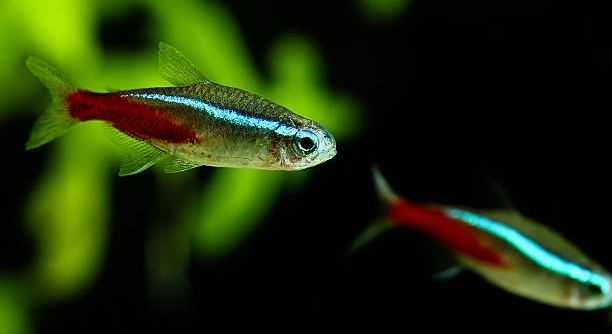
Neon Tetras are beautiful and popular fish, but sometimes they experience stress that can affect their health. Stress in these fish can be caused by various factors, many of which can be overlooked. Identifying these factors early is crucial.
Several factors can stress your Neon Tetra, including water quality, tank mates, and environmental changes. Poor water conditions, sudden shifts in temperature, or overcrowding are common stressors that compromise their well-being. Addressing these concerns ensures a healthier, happier fish.
Understanding these factors will help you provide a more stable environment for your Neon Tetra. By recognizing what causes stress, you can improve their overall care and prevent long-term health issues.
Water Quality Issues
Water quality is one of the most important factors for a Neon Tetra’s health. If the water is too dirty or has imbalanced parameters, it can cause a lot of stress. Poor filtration and high levels of ammonia, nitrites, or nitrates can lead to sickness. If the water’s pH or hardness is far from what these fish prefer, it can trigger unnecessary stress. Regular water changes and testing the water quality can go a long way in preventing these issues.
The ideal water conditions for Neon Tetras are slightly acidic to neutral pH levels between 6.0 and 7.0. It’s important to keep the temperature steady around 72°F to 78°F. Clean water ensures your Tetras are thriving in a stress-free environment.
A good filtration system is necessary to maintain water quality. This system should be gentle, as Neon Tetras are small and sensitive to strong currents. Keeping the tank clean by vacuuming the substrate and removing any leftover food will also help maintain a healthy, low-stress environment for your fish.
Tank Mate Compatibility
Choosing the right tank mates is essential to minimize stress in your Neon Tetra. They are peaceful fish and prefer to live with similar calm species. Aggressive fish can chase or nip at Tetras, making them anxious. Make sure the tank mates are compatible in terms of behavior, size, and water conditions.
Neon Tetras do well in a community tank with other peaceful species. Consider adding species like other Tetras, guppies, or small rasboras. Fish that are too large or territorial may cause stress, especially if they start to dominate the tank. Adding plants, decorations, and hiding spots in the tank can help your Tetras feel secure.
When selecting tank mates, avoid aggressive or overly energetic species. Fish like cichlids or bettas might create tension, as they can be territorial and more likely to harass the Tetras. By choosing compatible fish, you create a more peaceful environment, reducing stress and promoting harmony.
Overcrowding
Overcrowding in a tank can lead to stress for Neon Tetras. When there are too many fish in a small space, it creates competition for resources like food and oxygen. This can lead to aggression and poor water quality.
Tetras need enough room to swim and explore their environment. A crowded tank causes them to feel trapped, leading to heightened stress levels. Aim for a minimum of 1.5 to 2 gallons of water per fish to avoid overcrowding. A larger tank also helps maintain stable water conditions, which are critical for their health.
Additionally, overcrowding makes it more difficult to monitor the water quality. With more fish producing waste, ammonia and nitrite levels can rise quickly. Even with a filter, it becomes harder to maintain clean water. Keeping a reasonable fish-to-water ratio is key to minimizing stress and ensuring your Neon Tetras stay healthy.
Sudden Changes in Environment
Neon Tetras thrive in stable environments. Sudden changes, such as shifting tank decor, changing water temperature, or moving them to a new tank, can cause unnecessary stress. They feel secure when their surroundings are predictable.
If you need to rearrange the tank, do it gradually. Avoid drastic temperature fluctuations, as Neon Tetras are particularly sensitive to temperature changes. Instead, acclimate the fish slowly to prevent shock. Consistent water conditions, tank layout, and even lighting can help maintain a stress-free environment.
Sudden disruptions, like unexpected power outages or changes in tank lighting, can also affect their comfort. Keeping everything stable will help your Tetras feel secure and reduce the risk of stress. Creating a calm environment is essential to their long-term well-being.
Poor Diet
A poor diet can stress out your Neon Tetra. These fish need a balanced diet of high-quality flakes or pellets, as well as occasional live or frozen food like brine shrimp. Nutritional deficiencies can weaken their immune system.
Feeding your Tetras a variety of foods helps keep them healthy and active. Poor nutrition can lead to stunted growth, disease, or low energy. Make sure to avoid overfeeding, which can pollute the water and contribute to poor water quality. A consistent feeding schedule ensures they get the right nutrients.
Additionally, changing the diet regularly can provide different vitamins and minerals. Offering small portions two or three times a day will help them maintain their energy levels.
Tank Lighting
Lighting in the tank can also contribute to stress. Neon Tetras prefer dim lighting that mimics their natural habitat. Too bright or harsh lighting can make them feel exposed and anxious.
Long hours of intense lighting can disturb their natural rhythm, so it’s important to replicate day and night cycles. A timer for your aquarium light can help create consistency. Avoid leaving the lights on for extended periods, as it can stress the fish. Instead, use low, soft lighting for most of the day and dim them in the evening.
Stress from Aggressive Tankmates
Aggressive tankmates can increase stress levels in Neon Tetras. They thrive in peaceful communities and don’t fare well with territorial or highly energetic species.
Tetras are small and vulnerable, so placing them with aggressive fish, such as certain cichlids, can make them anxious. In a mixed tank, ensure the other fish are similarly calm to prevent bullying. Additionally, maintaining enough hiding spots in the tank helps the Tetras retreat if needed. A peaceful community promotes relaxation, reducing stress for everyone involved.
FAQ
How can I tell if my Neon Tetra is stressed?
Stress in Neon Tetras can be identified by changes in their behavior. They may become lethargic, stop eating, or swim erratically. You might also notice them hiding more than usual or staying near the bottom of the tank. Additionally, stress can cause them to lose their vibrant color, turning dull or pale. If you observe these signs, it’s important to check water conditions and the tank environment for potential stressors.
What is the ideal water temperature for Neon Tetras?
Neon Tetras thrive in water temperatures between 72°F and 78°F (22°C to 26°C). Keeping the water too cold or too warm can cause stress and weaken their immune systems. A stable temperature within this range is best for their overall health and happiness.
Can I keep Neon Tetras with other species?
Yes, Neon Tetras are peaceful and do well in a community tank with other calm species. They are best kept with small, non-aggressive fish like other Tetras, guppies, or rasboras. Avoid larger or more territorial fish that may stress or harm them.
How often should I feed my Neon Tetra?
Neon Tetras should be fed small amounts 2-3 times a day. Overfeeding can lead to poor water quality and stress. They eat flakes, pellets, and live or frozen foods like brine shrimp or daphnia. Feed only what they can consume in a few minutes to maintain a clean tank.
Can Neon Tetras live in a tank with no filter?
While it is possible, it is not ideal. A filter helps maintain clean water by removing excess waste and toxins like ammonia and nitrates. Without a filter, you would need to do frequent water changes to keep the water quality high. A filter provides a more stable and less stressful environment for your Tetras.
How can I improve the water quality for my Neon Tetras?
Regular water changes are essential to keeping the water clean. Test the water regularly to ensure pH, ammonia, nitrites, and nitrates are within safe levels. Install a reliable filter and avoid overcrowding to help maintain good water quality. A water conditioner can also help remove chlorine and chloramine from tap water.
Are Neon Tetras sensitive to light?
Yes, Neon Tetras prefer low to moderate light levels. Bright, harsh lighting can stress them out. If your tank has strong lighting, try adding plants or decorations to provide shaded areas. Consider using a timer to control the lighting schedule, mimicking natural day and night cycles.
What size tank do Neon Tetras need?
A minimum tank size of 10 gallons is recommended for a small group of Neon Tetras. A larger tank provides more stable water conditions and reduces the chance of overcrowding. If you plan to keep other species, consider a larger tank to ensure enough space for all the fish.
Can Neon Tetras live with snails or shrimp?
Yes, Neon Tetras can live with snails and shrimp. Both species are peaceful and won’t harm the Tetras. In fact, some snails and shrimp can help keep the tank clean by eating algae and leftover food. However, make sure the snails or shrimp are not large enough to pose a threat.
How do I reduce stress caused by sudden changes in the tank?
To reduce stress from sudden changes, make adjustments gradually. If moving decorations or changing the tank setup, do so slowly over several days. When adding new fish, let them acclimate to the water before fully introducing them to the tank. Avoid sudden temperature or water chemistry changes. Keeping the environment consistent helps prevent stress.
Why is my Neon Tetra losing its color?
A loss of color in Neon Tetras is often a sign of stress or illness. Poor water quality, incompatible tankmates, or inadequate diet can contribute to this. It’s essential to check the water conditions and ensure the tank is clean. Also, provide a varied diet to ensure they get proper nutrients.
Do Neon Tetras need live plants in their tank?
While not strictly necessary, live plants offer several benefits to Neon Tetras. They provide hiding spots, help maintain water quality by absorbing excess nutrients, and contribute to the overall natural feel of the tank. Plants can also help reduce stress, making the Tetras feel more secure.
How can I prevent aggression in my Neon Tetras?
Neon Tetras are generally peaceful, but stress from other fish can lead to aggression. Ensure tankmates are non-aggressive and similar in size. Overcrowding can also lead to stress and aggression, so make sure there’s enough space for each fish. Providing hiding spots can help reduce stress and prevent conflicts.
What can I do if my Neon Tetra is swimming upside down or sideways?
If your Neon Tetra is swimming upside down or sideways, it may be suffering from swim bladder issues or stress. Swim bladder disorders can be caused by poor water quality, overfeeding, or injury. Ensure the water conditions are optimal and consider reducing the feeding amount. If the condition persists, consult a vet for a proper diagnosis.
How can I make my Neon Tetra feel more secure?
To make your Neon Tetra feel secure, provide plenty of hiding spots using plants, rocks, or decorations. Keep the lighting soft and consistent, and avoid sudden changes in the tank environment. A peaceful tank with compatible tankmates will also help reduce stress.
Final Thoughts
Neon Tetras are beautiful and peaceful fish that thrive in stable, well-maintained environments. They are sensitive to changes in water quality, temperature, and tank conditions, which can lead to stress and health problems. By paying attention to the factors that contribute to stress, such as water quality, diet, and tankmates, you can help ensure your Tetras live a long and healthy life. Regular water testing and maintenance are essential to keeping the tank in optimal condition for these delicate fish.
In addition to the physical environment, it’s important to consider the social needs of your Neon Tetras. These fish are happiest when kept in groups, so having at least five or six individuals is recommended. Keeping them with peaceful tankmates that don’t outcompete them for food or space can also reduce stress. Neon Tetras are not aggressive, and they do best in a calm and non-competitive community. Ensuring they are not housed with aggressive fish can go a long way in preventing stress and helping them thrive.
Lastly, observe your fish regularly for signs of stress or illness. Keeping an eye on their behavior and appearance will allow you to catch potential issues early. If your Tetras show signs of distress, adjusting the tank conditions, changing their diet, or reducing stressors may help. With the right care and attention, Neon Tetras can flourish and bring color and life to your aquarium for years to come.

Hello,
If you enjoy the content that we create, please consider saying a "Thank You!" by leaving a tip.
Every little bit helps us continue crafting quality advice that supports the health, happiness, and well-being of pets around the world, for pets of all shapes, sizes, and species.
We really appreciate the kindness and support that you show us!