
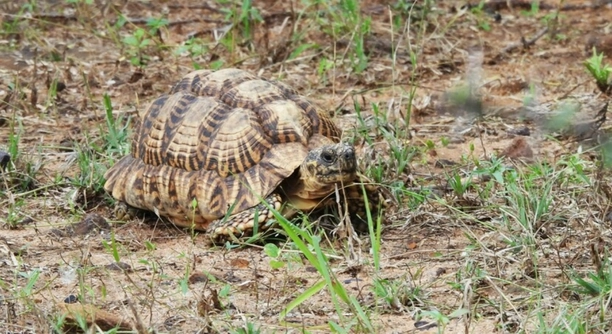
Star tortoises are fascinating creatures, but their lifespan can be affected by certain factors. Understanding these can help ensure they live a long and healthy life. Small changes in their environment or care routine may have a big impact.
Several common issues can shorten a star tortoise’s lifespan, including poor diet, inadequate habitat, improper lighting, stress, and health neglect. Addressing these concerns will significantly enhance the well-being and longevity of your pet.
By making small adjustments, you can provide a better environment for your star tortoise, improving its health and lifespan.
Poor Diet Can Shorten Your Star Tortoise’s Lifespan
A star tortoise’s diet plays a crucial role in its overall health and longevity. Feeding your tortoise an improper diet can lead to a variety of health issues, including obesity, shell deformities, and digestive problems. In the wild, star tortoises feed on grasses, flowers, and fruits, but a diet lacking in these natural foods can cause malnutrition. If your tortoise is primarily eating low-quality commercial food, it might not be getting the essential nutrients it needs.
To keep your tortoise healthy, offer a balanced diet that includes fresh grasses, leafy greens, and safe, non-toxic flowers. Avoid high-protein foods like meat or dairy, as these can harm your tortoise’s kidneys over time. Fresh water should also be available at all times to prevent dehydration.
Making sure your star tortoise gets the right nutrition is key to preventing diseases and promoting a long life. If you’re unsure what to feed your tortoise, consult a reptile veterinarian for advice on the best food options.
Inadequate Habitat for Your Star Tortoise
An inadequate habitat is another major factor that can shorten a star tortoise’s lifespan. Providing a proper enclosure with ample space, hiding spots, and the right temperature is essential for your tortoise’s well-being.
A star tortoise needs a large enclosure with access to both basking areas and shaded spots to regulate its body temperature. The temperature should range from 80-90°F during the day, with a basking area reaching 95-100°F. At night, the temperature should drop slightly to replicate natural conditions.
Additionally, your star tortoise needs a substrate that allows it to dig and burrow. Avoid using sand or wood chips, which can cause impaction if ingested. Ensure the enclosure is free from drafts, as sudden temperature fluctuations can cause stress.
Improper Lighting for Your Star Tortoise
Star tortoises need the right kind of lighting to stay healthy. Without adequate UVB lighting, they can develop metabolic bone disease, which weakens their bones and shells. UVB light helps them produce vitamin D3, essential for calcium absorption.
Use a high-quality UVB light designed for reptiles to ensure your tortoise gets the proper exposure. The light should be positioned at the appropriate distance from your tortoise, typically 6-12 inches, depending on the strength of the bulb. Replace the bulb every six months, as UVB intensity fades over time, even if the light still appears functional.
Additionally, make sure your tortoise has a natural day-night cycle. Avoid keeping the light on for 24 hours, as this can disrupt their sleep patterns and cause stress.
Stress from Frequent Handling
Frequent handling can cause significant stress for a star tortoise. These reptiles are naturally shy and prefer to stay in their own space. Constant interaction or moving them between enclosures can disturb their sense of security.
Stress from handling can lead to immune system suppression, making your tortoise more susceptible to diseases. To prevent stress, limit handling and allow your tortoise to acclimate to its environment. Create a safe, quiet space where it can retreat when it feels threatened.
If you need to handle your tortoise, always do so gently and avoid over-stimulating it. Let your tortoise roam freely in a secure area during supervised sessions, but ensure it has time to rest afterward.
Health Neglect in Star Tortoises
Neglecting your tortoise’s health can quickly lead to serious issues. If not properly cared for, common health problems like respiratory infections, shell rot, and parasites can shorten its lifespan. Regular check-ups from a reptile veterinarian are essential.
Monitor your tortoise for any signs of illness, such as changes in eating habits, lethargy, or breathing difficulties. If you notice anything unusual, seek veterinary care immediately. Keep track of your tortoise’s weight, as sudden weight loss can indicate a health problem. A well-maintained shell is also a sign of good health, so check for cracks or sores.
Overcrowded Enclosures Can Cause Harm
Overcrowding can lead to stress and aggression among tortoises, which may result in injuries or a weakened immune system. Star tortoises are solitary creatures and need space to roam and establish territory.
Inadequate space can also affect their ability to find food and hide from potential threats. This stresses them out and can hinder their growth and development. Provide enough room for each tortoise to move freely without feeling crowded. Ideally, your tortoise should have access to a large, secure outdoor enclosure when the weather permits. Make sure to avoid overcrowding in enclosures, especially in a captive setting.
Temperature Fluctuations
Temperature fluctuations can put a lot of stress on star tortoises. These reptiles rely on consistent temperatures to maintain proper metabolic function. If the temperature in their habitat is too cold, they can become lethargic and may stop eating.
Ensure the temperature is maintained within the recommended range of 80-90°F during the day, with a basking area reaching 95-100°F. If temperatures dip below this, it can lead to hibernation or health issues. A thermometer and a heat lamp are essential to regulate temperature. Always monitor conditions in the enclosure and make adjustments as needed.
FAQ
What is the best diet for a star tortoise?
A balanced diet for a star tortoise should include a variety of leafy greens like dandelion, clover, and collard greens. You can also offer grasses, flowers, and vegetables such as squash, bell peppers, and zucchini. Avoid feeding fruits in large quantities, as they are too sugary and can cause digestive issues. Make sure to provide calcium supplements, especially for young tortoises, to support healthy shell growth. Fresh water should always be available, and avoid feeding them processed or high-protein foods.
How much space does a star tortoise need?
Star tortoises need a spacious enclosure to thrive. If kept indoors, the minimum size should be at least 4 feet long and 2 feet wide for one tortoise. However, a larger enclosure is better to give your tortoise more room to roam and explore. If you live in a warm climate, it’s beneficial to provide an outdoor enclosure where your tortoise can bask in the sun and enjoy natural grasses. Remember, the more space your tortoise has, the healthier it will be.
How often should I handle my star tortoise?
Star tortoises are shy animals and don’t enjoy frequent handling. While it’s okay to interact with them, try to limit handling to once or twice a week. Prolonged or excessive handling can stress your tortoise, leading to potential health problems. When you do handle them, be gentle and allow your tortoise to feel secure in your hands. Always place them back in their enclosure after a short period, and give them time to rest and relax in their own environment.
What type of lighting does my star tortoise need?
Your star tortoise needs proper UVB lighting to help it absorb calcium and produce vitamin D3. Without UVB light, your tortoise could develop metabolic bone disease. Use a high-quality UVB bulb specifically designed for reptiles. The light should be placed 6 to 12 inches above the basking area. Ensure the bulb is replaced every six months, as UVB output decreases over time. Also, provide a heat source to maintain proper basking temperatures. A combination of heat and UVB light is vital for your tortoise’s health.
Can star tortoises be kept together?
Star tortoises are solitary by nature and should not be housed together unless you have a large, appropriately designed enclosure. In confined spaces, keeping them together can lead to stress, fighting, and injury. If you want to house more than one tortoise, make sure each has enough space to establish its own territory. Watch for signs of aggression and separate them if necessary. In some cases, tortoises may tolerate each other, but it’s essential to monitor their behavior closely.
How do I keep my star tortoise’s shell healthy?
Maintaining a healthy shell is essential for your star tortoise’s well-being. Provide a proper diet rich in calcium to promote strong, healthy shell growth. If the shell becomes soft or shows signs of damage, this could be due to a lack of calcium or poor diet. Regularly inspect your tortoise’s shell for cracks or signs of rot, and if you notice anything unusual, seek veterinary care immediately. Additionally, avoid placing your tortoise on hard surfaces that could cause shell damage.
What is the ideal temperature for a star tortoise’s enclosure?
Star tortoises require a temperature range of 80-90°F during the day to remain active and healthy. The basking area should be around 95-100°F to help them regulate their body temperature. At night, the temperature can drop slightly to around 70-75°F, simulating natural conditions. A consistent temperature is crucial for their metabolic function, so avoid fluctuations in temperature. You can use a thermometer to monitor the enclosure’s temperature and a heat lamp to maintain proper warmth.
How do I know if my star tortoise is sick?
Signs that your star tortoise may be ill include lethargy, loss of appetite, abnormal breathing, wheezing, discharge from the eyes or nose, or abnormal shell growth. If you notice any of these symptoms, take your tortoise to a reptile vet for a checkup. Early detection and treatment are crucial to ensuring your tortoise’s recovery. A healthy tortoise will be active, curious, and eating regularly. Keep track of their behavior and health to spot any changes that might indicate illness.
Can star tortoises be kept in an aquarium?
While an aquarium may seem like a suitable option, it is not ideal for star tortoises. Tortoises need space to move and explore, which an aquarium cannot provide. Enclosures should be spacious and allow for both basking and hiding areas. A large, secure outdoor enclosure is often the best option for star tortoises, as it mimics their natural environment. If an indoor enclosure is necessary, ensure it is large enough and provides access to natural sunlight or UVB lighting.
How do I prevent my star tortoise from getting stressed?
Stress can be harmful to star tortoises and may lead to health issues. To prevent stress, provide a calm and quiet environment for your tortoise. Avoid excessive handling, and give your tortoise plenty of time to rest in its enclosure. Make sure the enclosure is large enough and provides areas for hiding and basking. Keep the habitat free from drafts and temperature fluctuations, and avoid overcrowding. A stable, quiet environment will help your tortoise feel safe and reduce stress.
Final Thoughts
Taking care of a star tortoise involves paying close attention to its diet, environment, and overall health. These tortoises require a specific habitat that mimics their natural environment, with plenty of space to roam, bask, and hide. A well-balanced diet that includes a variety of leafy greens and the occasional flower or vegetable is essential for keeping your tortoise healthy. Additionally, providing the right lighting and heat sources ensures they get the UVB light and warmth needed for proper digestion and shell growth. It’s important to also monitor their behavior closely and act promptly if you notice any signs of stress or illness.
When caring for a star tortoise, consistency is key. Creating a routine for feeding, cleaning, and handling will help your tortoise adjust and stay healthy. Star tortoises are shy creatures and prefer a calm environment. They should not be handled too often, as too much interaction can lead to stress. Providing them with a safe and peaceful space allows them to thrive and feel secure. Avoid overcrowding, and be mindful of their behavior when introducing other tortoises. If you ever notice changes in their eating habits, activity levels, or shell condition, it’s important to seek advice from a reptile veterinarian to ensure they receive the proper care.
By understanding the needs of your star tortoise and meeting those needs consistently, you can help ensure it leads a long, healthy life. Proper care may require time, effort, and patience, but the rewards of watching your tortoise thrive are worth it. The more you learn about these fascinating creatures, the better equipped you’ll be to provide them with the care they deserve. Whether your tortoise is kept indoors or in an outdoor enclosure, making sure they have plenty of room, access to sunlight, and a healthy diet will keep them happy and healthy for years to come.

Hello,
If you enjoy the content that we create, please consider saying a "Thank You!" by leaving a tip.
Every little bit helps us continue crafting quality advice that supports the health, happiness, and well-being of pets around the world, for pets of all shapes, sizes, and species.
We really appreciate the kindness and support that you show us!