
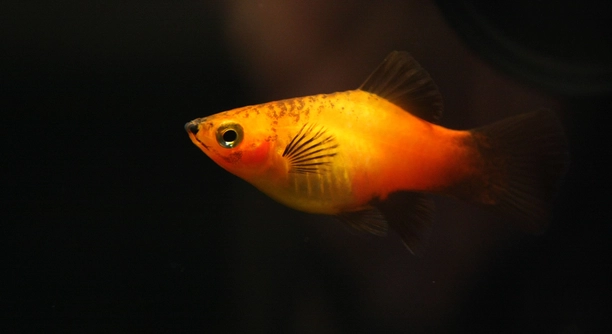
Platies are colorful and lively fish that many enjoy keeping in home aquariums. They generally adapt well, but sometimes they can become stressed or frightened without obvious reasons. Recognizing what might scare your platy can help maintain a peaceful tank environment.
Several common factors can cause fear in platies, including sudden loud noises, aggressive tank mates, poor water quality, inappropriate lighting, rapid movements near the tank, overcrowding, and changes in temperature. Each of these elements can disrupt their sense of safety and well-being.
Identifying these causes early can improve your platy’s comfort and reduce stress. The following points will explain what to watch for and how to create a calmer home for your fish.
Sudden Loud Noises
Sudden loud noises can startle platies and cause them to dart around or hide. These noises might come from household appliances, banging on the walls, or even loud conversations nearby. Because platies are small and sensitive fish, abrupt sounds disrupt their calm and make them feel unsafe. It’s important to keep the tank in a quiet area where loud sounds are minimal. Placing the aquarium away from doors or windows that face busy streets can help. If you notice your platy reacting nervously to noise, try to reduce those sounds or move the tank to a quieter spot. Consistent loud noises can cause long-term stress, affecting their health and behavior.
Sudden noise stresses platies and may lead to illness or death if it happens often. Keeping a peaceful environment is essential.
Reducing noise disturbances will help your platy feel secure and calm. Simple steps, like choosing a quiet room for the tank, make a big difference. You can also use a tank cover to help muffle outside sounds. Remember, creating a steady and quiet space encourages your platy to swim confidently and enjoy its environment.
Aggressive Tank Mates
Aggressive tank mates pose a direct threat to platies, often chasing or nipping at them. This behavior can frighten your platy and cause constant stress, which weakens their immune system over time. Some fish species naturally display more aggressive behavior, so it’s important to select peaceful companions. When choosing tank mates, consider species that coexist well with platies, such as tetras or peaceful gouramis. Avoid larger, territorial, or fin-nipping fish to reduce conflicts. If aggression is already present, separating the fish or increasing the tank size can help ease tensions.
Aggressive fish can harm platies, leading to stress or injury. Careful selection of tank mates is vital.
Platies thrive best with calm, non-aggressive fish in their environment. Aggressive behavior causes fear, hiding, and limited movement for platies, reducing their overall well-being. Observing interactions regularly helps detect early signs of aggression. Making adjustments, like rearranging decorations or providing hiding spots, creates safe spaces. Sometimes, you may need to remove the aggressive fish to maintain peace. Ensuring compatible tank mates supports your platy’s natural behavior and promotes a healthy, stress-free aquarium.
Poor Water Quality
Poor water quality quickly stresses platies and can make them sick. Dirty water with high ammonia or nitrite levels is harmful. Regular water changes and testing are necessary to keep the tank healthy.
Maintaining clean water is essential for platies to thrive. High levels of toxins like ammonia and nitrites, often caused by overfeeding or inadequate filtration, can damage their gills and weaken their immune system. Using a reliable water testing kit helps monitor these levels. Changing 20-30% of the water weekly keeps toxins low. Avoid overcrowding the tank since too many fish produce more waste. Proper filtration and removing uneaten food also help maintain water quality. Clear water with stable conditions supports healthy and stress-free platies.
If water quality declines, platies may become lethargic or hide more often. Providing clean water prevents diseases and improves their overall mood and activity. Regular maintenance shows in their vibrant colors and natural behavior.
Inappropriate Lighting
Too bright or inconsistent lighting can cause discomfort for platies. Harsh lights create stress, while sudden changes confuse them. A balanced light cycle is important for their well-being.
Platies need a stable day-night cycle to feel secure. Excessive light can overstimulate them, making them hide or swim erratically. On the other hand, low or irregular lighting may disrupt their natural rhythms. Using an aquarium light with a timer ensures consistent lighting periods, usually 8 to 10 hours a day. Position the tank away from direct sunlight to prevent temperature spikes and algae growth. Soft, even lighting allows platies to explore without stress and supports their natural behaviors, like feeding and resting.
Setting the right lighting conditions helps platies stay calm and active. It also promotes plant growth if you keep live plants in the tank, creating a better habitat for your fish.
Rapid Movements Near the Tank
Sudden movements near the tank can scare platies. They are easily startled by fast actions or shadows around their environment.
Keeping a calm and steady presence around the aquarium helps platies feel safe. Avoid tapping the glass or making quick gestures nearby.
Overcrowding
Too many fish in one tank causes stress and competition for space. Overcrowding reduces oxygen levels and increases waste, making platies uncomfortable and anxious.
Maintaining an appropriate fish-to-water ratio is crucial for their health. Crowded tanks can lead to aggressive behavior and poor water quality, both of which frighten platies.
Changes in Temperature
Platies are sensitive to temperature fluctuations. Sudden changes or temperatures outside their ideal range (72-78°F) can cause shock and stress.
Stable water temperature is vital for their immune system and activity. Use a reliable heater and thermometer to monitor conditions and avoid rapid shifts.
Tank Environment
Platies need hiding spots and plants to feel secure. A bare tank can make them feel exposed and frightened.
FAQ
What are the signs my platy is scared?
When a platy is scared, it may hide more than usual or swim frantically. You might notice it staying at the bottom or corner of the tank. Loss of appetite and dull colors can also indicate stress or fear.
How often should I test my tank water?
Testing water once a week is ideal to ensure safe conditions. Frequent checks help catch harmful changes early. Monitoring ammonia, nitrites, nitrates, and pH keeps the environment stable and prevents stress for your platy.
Can loud noises permanently harm my platy?
While a single loud noise may only cause temporary fright, repeated or constant noise can lead to chronic stress. This stress weakens the immune system, making the fish more vulnerable to diseases and even shortening its lifespan.
Are all tank mates safe for platies?
No, not all fish are safe companions. Platies do best with peaceful species like guppies or mollies. Avoid aggressive or fin-nipping fish, which can harass platies and increase their stress levels significantly.
How important is lighting for my platy?
Lighting is very important. Too bright or inconsistent lighting can frighten or confuse platies. A steady, moderate light cycle helps them maintain natural behaviors. Using a timer ensures regular day and night periods.
What temperature is best for platies?
Platies thrive between 72°F and 78°F. Temperatures outside this range can cause stress or illness. Sudden temperature changes are especially harmful. Use a heater and thermometer to keep water stable.
Why does overcrowding scare platies?
Overcrowding limits space and increases competition for resources. This stress can cause platies to hide or act nervously. Overcrowded tanks also reduce water quality, which harms fish health and comfort.
How can I reduce rapid movements near the tank?
Keep movements slow and calm around the aquarium. Avoid tapping or sudden gestures that might startle your fish. Position the tank where foot traffic is low to reduce disturbances.
What should I do if my platy hides all the time?
Constant hiding often means fear or stress. Check water quality, tank mates, and lighting. Provide hiding places like plants or decorations. Adjust the environment to make your platy feel safer.
Can poor water quality cause long-term damage?
Yes, poor water quality damages gills, weakens the immune system, and can lead to illness. Regular cleaning, water changes, and filtration are necessary to keep your platy healthy and comfortable.
How often should I do water changes?
Changing 20-30% of the water weekly helps maintain good water quality. This practice removes toxins and refreshes the tank, keeping the environment safe and stress-free for your platy.
Is it okay to place the tank near a window?
Placing a tank near a window is not recommended. Direct sunlight causes temperature fluctuations and algae growth. Both issues can stress platies and degrade their living conditions.
Do platies need hiding spots?
Yes, hiding spots reduce stress and fear. Plants, rocks, and decorations create safe spaces. These areas let platies retreat when they feel threatened or need rest.
How can I tell if my platy is sick or just scared?
Scared fish hide or swim nervously but usually return to normal when calm. Sick fish may show physical signs like spots, clamped fins, or lethargy. Persistent hiding and lack of appetite suggest illness.
Can changing tank decorations scare my platy?
Yes, sudden changes in the tank layout can frighten platies. Move decorations slowly and give your fish time to adjust. Gradual changes reduce stress and keep your platy comfortable.
Is temperature shock reversible?
If caught early, temperature shock can be reversed by stabilizing the water temperature slowly. Rapid fixes can stress fish more, so gradual adjustments are best to help platies recover safely.
Platies are beautiful and peaceful fish that can brighten any aquarium. However, they are sensitive to their surroundings and can become easily scared by different factors. Knowing what causes fear in your platy helps you create a better home for them. Sudden loud noises, aggressive tank mates, poor water quality, and rapid movements near the tank are just a few examples of what might frighten your fish. Even things like inappropriate lighting, overcrowding, and changes in temperature play a role in their comfort. By paying close attention to these factors, you can reduce stress and help your platy live a happier, healthier life.
Maintaining a stable and calm environment is key to keeping your platy comfortable. Regular water testing and changes keep the water clean and safe from harmful toxins. Selecting peaceful fish as tank mates prevents unnecessary aggression and tension. Controlling lighting with a timer helps maintain natural day-night cycles, which support your platy’s well-being. Additionally, keeping your tank in a quiet area and avoiding sudden movements around it will help reduce fear responses. Providing plenty of hiding places allows your platy to feel secure when they need a break from the activity around them. Each of these simple actions creates a peaceful atmosphere that supports your fish’s natural behavior.
It is important to observe your platy regularly for signs of stress or fear. Changes in behavior like hiding, loss of appetite, or erratic swimming are often clues that something is wrong. If you notice any of these signs, check the water quality, tank conditions, and the behavior of other fish. Small adjustments can make a big difference in your platy’s comfort. Keeping a consistent routine and environment prevents many problems before they start. With attention and care, your platy will not only survive but thrive, showing its bright colors and lively personality for a long time.

Hello,
If you enjoy the content that we create, please consider saying a "Thank You!" by leaving a tip.
Every little bit helps us continue crafting quality advice that supports the health, happiness, and well-being of pets around the world, for pets of all shapes, sizes, and species.
We really appreciate the kindness and support that you show us!