
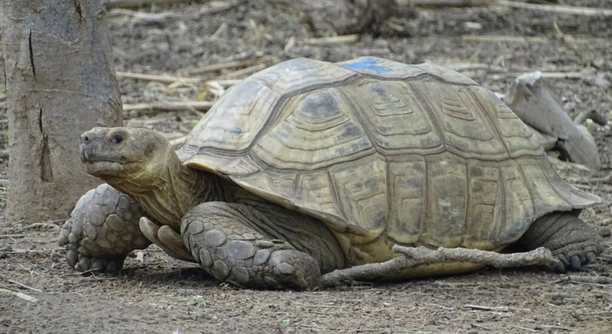
Tortoises are known for their calm demeanor, but there are times when they may show signs of anxiety. These signs are often subtle and can be caused by various factors. Understanding these causes can help you keep your tortoise at ease.
Anxiety in tortoises can stem from several factors, including improper habitat conditions, stress from handling, changes in their environment, or insufficient diet. Overcrowding or a lack of mental stimulation can also contribute to anxiety, making your tortoise feel unsettled.
Understanding the causes of your tortoise’s anxiety will help you address these issues and provide a more comfortable living space for them.
Inadequate Habitat Conditions
A tortoise’s environment plays a significant role in its well-being. If the habitat isn’t set up properly, it can lead to stress. Temperature and humidity are two key factors to watch. Too hot or too cold, and the tortoise might not feel comfortable enough to eat, move, or relax properly. The enclosure should mimic the natural habitat of your tortoise, with plenty of space to roam and hide.
The lighting in the enclosure is just as important. Tortoises require UVB light to produce vitamin D3, which helps with calcium absorption. Without this, their health can decline, leading to anxiety. It’s essential to regularly check the temperature and lighting, ensuring the enclosure is properly set up for your tortoise’s comfort.
A cramped or poorly lit space can make your tortoise feel trapped and unsafe. Be mindful of the size of their enclosure and the conditions you’re providing. Adjust the setup as needed, and you’ll see your tortoise feeling more at ease in no time.
Stress from Handling
Constant handling can make your tortoise anxious, especially if it’s not accustomed to it. Tortoises are naturally shy creatures, and frequent touch or movement might overwhelm them. When a tortoise is handled too often, it may start to associate people with stress rather than comfort.
Tortoises need time to get used to their surroundings. Handling them too often, especially during their acclimation phase, can cause unnecessary stress. It’s crucial to give them time to adjust to their new environment without rushing into physical interaction.
Try limiting handling to avoid making your tortoise feel like it’s in danger. Let your pet approach you on its own terms. A calm and slow approach will help them feel more secure and confident.
Changes in Environment
Moving a tortoise to a new location can be highly stressful for it. They rely on stability in their surroundings, so sudden changes can cause anxiety. It’s important to ease them into new spaces to avoid overwhelming them.
When relocating a tortoise, ensure the new environment has the same features as the old one. This means similar lighting, temperature, and space. Sudden shifts in these conditions can disrupt their routine, leaving them unsettled. Tortoises feel more secure in a consistent space, so try to maintain stability as much as possible.
If you need to make changes, do so gradually. A slow transition will help your tortoise adjust without feeling overwhelmed. Ensure all their basic needs are met, and avoid making drastic changes all at once. The more gradual the transition, the easier it will be for your pet.
Lack of Stimulation
A lack of mental and physical stimulation can make your tortoise anxious. These reptiles need activities to engage their minds and prevent boredom. A lack of enrichment can lead to stress and unhealthy behavior.
Provide a variety of safe objects for your tortoise to explore, such as rocks, logs, or tunnels. These additions encourage your pet to stay active and mentally engaged. Without these, your tortoise might become lethargic or display signs of distress, such as excessive digging or pacing. Enrichment not only keeps your tortoise entertained, but it also promotes its overall well-being.
A well-stimulated tortoise is a happy tortoise. Make sure to rotate toys and items to keep things interesting. Adding new textures or areas to explore will provide your pet with more opportunities for enrichment, reducing anxiety and improving its mood.
Inconsistent Diet
Tortoises rely on a balanced diet to stay healthy. If their food intake is inconsistent, it can lead to stress and anxiety. It’s important to provide them with a variety of fresh vegetables and occasional fruit, ensuring they get the proper nutrients they need.
Feeding them too often or giving them the wrong foods can also cause anxiety. A proper diet helps keep their digestive system functioning well, preventing discomfort and anxiety. Stick to a feeding schedule and avoid sudden changes in their diet to avoid causing stress.
A steady, well-balanced diet will support your tortoise’s overall health and reduce anxiety. Keep a consistent feeding routine to help your tortoise feel secure and comfortable in its environment.
Overcrowding
If your tortoise is living with other pets in a small space, it could be feeling stressed. Overcrowding can lead to territorial disputes and limit your tortoise’s ability to move around freely. Space is essential for their well-being.
Each tortoise needs its own space to roam and relax. When confined in a crowded environment, they may feel anxious and exhibit abnormal behaviors. If you notice your tortoise becoming more aggressive or withdrawing, overcrowding could be a factor. Ensure your pet has enough room to move around freely.
Anxiety in tortoises can stem from competition for space and resources. Make sure to give each tortoise enough space to feel safe and comfortable in its habitat.
Stress from Noise
Tortoises are sensitive to loud noises and vibrations. High levels of sound can disrupt their sense of security, making them anxious. Keeping your tortoise’s environment quiet and calm will help reduce stress.
Loud music, household appliances, or even busy foot traffic can disturb a tortoise’s peace. If your tortoise seems more nervous than usual, the noise levels in its environment might be too high. Keep their habitat in a quieter area of your home to avoid unnecessary stress.
By providing a calm and quiet environment, you help your tortoise feel more secure and relaxed. A peaceful space will make a significant difference in reducing anxiety.
FAQ
How can I tell if my tortoise is anxious?
An anxious tortoise may display a few clear signs. These include rapid pacing, hiding more than usual, or becoming more aggressive when handled. If your tortoise refuses to eat or spends a lot of time in its shell, it could be experiencing stress. Watch for changes in behavior, as these may indicate anxiety. Pay attention to how often your tortoise engages with its surroundings. When stressed, it may seem withdrawn, lack interest in food, or become overly alert. Keep track of any sudden changes in habits to help identify signs of anxiety early.
Can stress cause health problems for my tortoise?
Yes, prolonged stress can lead to health issues in tortoises. When stressed, a tortoise’s immune system may weaken, making it more vulnerable to infections and other illnesses. Digestive problems, including constipation, are also common in anxious tortoises. Stress can also cause a lack of appetite, which can lead to malnutrition and dehydration. If you notice your tortoise is becoming lethargic or refusing to eat, it could be a sign that anxiety is affecting its overall health. Addressing the root causes of stress quickly can prevent further complications.
What is the best way to calm an anxious tortoise?
To calm an anxious tortoise, start by creating a stable and safe environment. Make sure its habitat is quiet, well-lit, and temperature-controlled. Provide hiding spots where it can retreat if it feels overwhelmed. Avoid frequent handling, as this can increase stress. Allow the tortoise time to adjust to its surroundings and give it opportunities for mental stimulation, like safe objects to explore. Also, maintain a consistent feeding routine. If your tortoise is still stressed despite these changes, consider reducing external disturbances, like noise or bright lights.
Should I provide a companion for my tortoise?
While some tortoises can live alone, others may benefit from the companionship of another tortoise. However, this depends on the species and individual personality of your pet. Overcrowding can cause stress, so it’s important to ensure that the space is large enough for both tortoises to thrive. Additionally, not all tortoises get along well with each other. You should monitor their interactions closely to make sure they aren’t fighting or displaying aggressive behavior. If you’re unsure, it may be better to keep your tortoise alone to avoid unnecessary stress.
How often should I handle my tortoise?
Handling should be kept to a minimum, especially if your tortoise is not used to being handled. Overhandling can lead to anxiety and stress, so it’s essential to allow your tortoise time to adjust to its environment. Try to limit handling to once or twice a week, and always handle your tortoise gently. Avoid picking it up too frequently or for extended periods. If your tortoise seems uncomfortable, put it back in its habitat right away. Over time, your tortoise may become more accustomed to being handled, but only do so when it’s necessary.
Can changes in diet help with my tortoise’s anxiety?
Yes, diet plays a crucial role in your tortoise’s overall well-being. A poor diet or sudden changes in food can contribute to anxiety. Ensure that your tortoise receives a balanced diet of leafy greens, vegetables, and occasional fruits. Avoid offering too many sugary foods, which can affect your pet’s digestive health. Introduce new foods slowly to avoid upsetting its stomach. A well-fed tortoise is more likely to feel secure and less anxious. If your tortoise is refusing to eat, it may be a sign of stress, and reviewing its diet could help address the issue.
Is it normal for a tortoise to hide?
Hiding is a natural behavior for tortoises, especially when they feel stressed or need rest. They often seek out dark, quiet spaces to feel secure. If your tortoise hides more than usual, it could be a sign of anxiety or discomfort. However, as long as it still eats and moves around, occasional hiding is normal. If hiding is accompanied by other signs of distress, such as loss of appetite or lethargy, then it’s important to investigate further. Make sure the environment is comfortable and that the tortoise has enough space to move around.
How can I make sure my tortoise’s habitat is safe?
Ensuring your tortoise’s habitat is safe involves more than just a clean space. First, make sure the temperature is correct, as tortoises are sensitive to both heat and cold. A temperature gradient should be maintained so your tortoise can move between warm and cooler areas. Check that the enclosure is free from any toxic plants or objects that could cause harm. Providing places for the tortoise to hide will help it feel secure. Make sure there’s plenty of room for it to move around without feeling crowded.
What type of bedding is best for my tortoise?
The best bedding for your tortoise should be absorbent, dust-free, and comfortable. A mix of coconut coir, grass hay, or soil works well for most species. Avoid cedar or pine shavings, as the oils can be harmful. The bedding should allow your tortoise to burrow and provide a natural environment. You can also add a layer of leaves or grass to create a more comfortable and stimulating space. Be sure to clean the bedding regularly to prevent any buildup of bacteria that could cause health problems.
How long should my tortoise be exposed to UVB light each day?
UVB light is essential for your tortoise to produce vitamin D3 and absorb calcium properly. It’s recommended that your tortoise get between 10 to 12 hours of UVB exposure each day. This will help maintain healthy bone structure and overall well-being. Make sure the UVB light is placed at an appropriate distance from your tortoise, as the light intensity can decrease with distance. If you use a UVB bulb, ensure it is replaced regularly as its effectiveness reduces over time. Tortoises also need a space to retreat from the light when they desire rest or shade.
Final Thoughts
Understanding and addressing the causes of anxiety in your tortoise is essential for its well-being. Tortoises can experience stress for a variety of reasons, including environmental factors, diet, and how they’re handled. It’s important to observe your tortoise’s behavior closely to identify any signs of anxiety. These can range from changes in eating habits to unusual hiding or pacing. Once you understand what might be causing stress, you can take steps to make its environment more comfortable. Adjusting factors like lighting, temperature, and the presence of hiding spots can make a big difference in reducing anxiety.
Additionally, providing a proper diet and handling your tortoise gently will help it feel more secure. It’s essential to keep a consistent routine for feeding and handling, as sudden changes in either area can lead to stress. Overhandling or making too many changes at once can be overwhelming for your tortoise. Allowing your tortoise the space to retreat and rest when it needs to is also crucial. Avoiding loud noises and ensuring it has a safe, quiet place to stay will go a long way in calming any anxiety your pet may feel.
If you’re concerned about your tortoise’s behavior and anxiety persists, seeking advice from a vet is always a good option. A veterinarian can help rule out any underlying health issues and give you more tailored advice on managing stress in your pet. With patience, attention to detail, and a little effort, your tortoise can live a happy, stress-free life. Keeping an eye on its behavior and making necessary adjustments will go a long way in maintaining a healthy and content tortoise.

Hello,
If you enjoy the content that we create, please consider saying a "Thank You!" by leaving a tip.
Every little bit helps us continue crafting quality advice that supports the health, happiness, and well-being of pets around the world, for pets of all shapes, sizes, and species.
We really appreciate the kindness and support that you show us!