
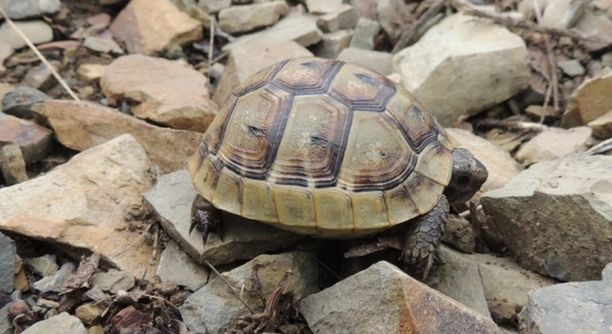
Russian tortoises are known for their calm and friendly demeanor, but sometimes they can show aggression. This behavior can be unsettling for their owners. Understanding the possible causes of this aggression is essential for providing the best care.
Several factors contribute to aggressive behavior in Russian tortoises, including stress, territorial disputes, improper habitat conditions, and health problems. Inadequate space, poor diet, or the presence of other tortoises can trigger this aggression. Addressing these issues can help prevent it.
Recognizing the causes of aggression is the first step toward a happier, more peaceful tortoise. Adjusting their environment and care routine can make a significant difference in their behavior and overall well-being.
Stress and Overcrowding in the Habitat
Russian tortoises can become aggressive when they feel stressed or overcrowded. If their enclosure is too small or too many tortoises are housed together, they may display aggressive behavior. Tortoises need their own space to feel secure. Without enough room to roam, they can become territorial and defensive, especially when competing for food or hiding spots.
Space is key to a tortoise’s well-being. When setting up their habitat, make sure the enclosure is large enough to accommodate them comfortably. The size should allow for separate feeding and resting areas, reducing potential conflict.
Stress also arises from poor environmental conditions. Tortoises need a controlled temperature, adequate lighting, and humidity to thrive. A poor setup in any of these areas can lead to frustration, which may manifest as aggression. Ensuring their enclosure is properly designed helps reduce stress and aggression, making your tortoise feel more secure and content in its home.
Health Problems Leading to Aggression
Health issues can sometimes make your Russian tortoise act aggressively. When they’re not feeling well, they may act out as a way of communicating their discomfort. Pain or illness often leads to irritability and changes in behavior.
It’s important to check for common signs of illness, such as changes in appetite or behavior. If you suspect health issues, take your tortoise to a vet specializing in reptiles. Providing a healthy diet, regular check-ups, and appropriate care helps prevent illness and the behavioral issues that come with it.
Tortoises can experience issues like respiratory infections, shell rot, or parasites, all of which could lead to aggressive tendencies. If these problems are left untreated, they may escalate and cause long-term health damage. Being proactive about their health and seeking timely treatment helps to avoid aggressive behavior linked to pain. This is vital for your tortoise’s overall well-being and comfort.
Incorrect Diet and Nutritional Deficiencies
Feeding your Russian tortoise an improper diet can cause them to act aggressively. A poor diet may lead to deficiencies, causing discomfort, irritability, or changes in behavior. Tortoises need a diet rich in fiber, vitamins, and minerals. Without proper nutrients, they can become more prone to stress and aggression.
Over time, nutritional deficiencies can have serious consequences on their health. For instance, a lack of calcium can lead to soft shells, and inadequate fiber can cause digestive problems. These issues often manifest as aggression, as your tortoise may feel unwell or frustrated by discomfort.
To avoid this, ensure your tortoise’s diet is balanced, consisting mainly of leafy greens, grasses, and occasional fruits. Supplementing with calcium and vitamins ensures they stay healthy and reduces the chance of aggression. Consistency in feeding is key to maintaining their well-being and preventing behavioral issues linked to poor nutrition.
Territorial Behavior and Mating Season
Russian tortoises can become particularly aggressive during mating season. Males, in particular, may become territorial and more aggressive as they compete for attention from females. During this time, they may display aggressive behaviors such as biting, ramming, or chasing other tortoises.
It’s important to separate males and females when not in mating season to avoid unnecessary conflict. The presence of a mate or the scent of a female can trigger territorial disputes, leading to aggression. Understanding this seasonal behavior helps in creating a calm environment for your tortoise.
To prevent aggression during these times, provide separate enclosures or adequate space to allow them to avoid conflict. Keeping males and females apart, especially during the breeding season, reduces stress and aggressive encounters. Proper management of their environment helps maintain harmony among your tortoises.
Lack of Proper Hiding Spots
Russian tortoises need places to retreat to when they feel threatened. Without proper hiding spots, they can become stressed and act aggressively. Providing shelter in their enclosure offers them security and helps them feel safe, which reduces aggression.
Shelters can be simple, like rocks, logs, or a small hide. Ensure these hiding spots are large enough for your tortoise to fit comfortably and escape from potential threats. If your tortoise feels exposed or trapped, aggression can result as a way to defend itself.
Overhandling and Lack of Personal Space
Handling your tortoise too often can lead to stress and aggression. Russian tortoises, while sociable, prefer to be left alone at times. Overhandling disrupts their natural behavior and can make them feel vulnerable.
Respect their space and allow them to approach you on their own terms. A tortoise that feels cornered or constantly picked up may react aggressively. Let them explore their environment freely without constant interaction. This reduces their stress and allows them to enjoy a balanced, peaceful life.
Temperature and Lighting Issues
Proper temperature and lighting are crucial for your tortoise’s well-being. If the enclosure is too hot or too cold, your tortoise may feel uncomfortable, which could lead to aggression. Similarly, inadequate lighting can affect their behavior.
Maintaining a warm, well-lit environment mimics their natural habitat and keeps them comfortable. Tortoises need a basking area where they can warm up and a cooler area for resting. Proper UVB lighting is also necessary for calcium absorption. These environmental factors, when kept balanced, help prevent aggression and ensure your tortoise stays healthy and calm.
FAQ
What are the signs that my Russian tortoise is aggressive?
Aggressive behavior in a Russian tortoise can manifest in several ways. Some common signs include biting, lunging, or chasing other tortoises. You may also notice your tortoise ramming or pushing objects in its enclosure. Additionally, excessive hissing or withdrawing into its shell in a defensive manner can indicate aggression.
How can I stop my Russian tortoise from being aggressive?
To reduce aggression, focus on improving your tortoise’s environment. Ensure it has enough space, proper diet, and hiding spots to feel safe. Keep males and females apart during mating season and avoid overhandling your tortoise. Addressing any health issues promptly also helps reduce aggressive tendencies.
Can aggression in Russian tortoises be caused by poor health?
Yes, poor health can contribute to aggression in Russian tortoises. When they are in pain or uncomfortable due to health issues, they may act out. Respiratory infections, shell rot, and internal parasites can lead to changes in behavior. Always monitor your tortoise for signs of illness and take it to a vet when necessary.
Does my tortoise’s diet affect its behavior?
Absolutely. A poor diet can lead to nutritional deficiencies, which can cause discomfort and irritability. Tortoises need a balanced diet with a mix of leafy greens, grasses, and occasional fruits. Ensuring proper calcium and vitamin intake is essential for their health and behavior.
How important is the temperature in my tortoise’s enclosure?
Temperature plays a major role in your tortoise’s well-being. If the enclosure is too hot or too cold, your tortoise may become stressed, which could lead to aggression. Make sure the temperature is regulated, with a warm basking area and a cooler zone for resting. Proper heating and UVB lighting are essential.
Can aggression in Russian tortoises be seasonal?
Yes, aggression can be more noticeable during mating season, especially in males. During this time, they may become territorial, and fights over females can occur. To prevent issues, separate males and females outside of breeding seasons. Understanding this natural behavior will help manage aggression during this time.
How much space does a Russian tortoise need to avoid aggression?
A Russian tortoise needs a spacious enclosure to reduce aggression. The larger the space, the less likely they are to feel crowded or territorial. Aim for a minimum of 4×8 feet for one tortoise, but the more room, the better. This gives them ample space for movement and to establish their own territory.
Can I keep multiple tortoises together without causing aggression?
It’s possible to keep multiple tortoises together, but careful management is required to avoid aggression. Make sure each tortoise has enough space and resources to reduce competition. Separate males and females unless breeding is intended, and monitor their interactions to ensure peace within the group.
What should I do if my Russian tortoise is sick and becoming aggressive?
If your tortoise is sick, its aggression could be a response to pain or discomfort. Take your tortoise to a vet as soon as you notice signs of illness. Health issues should be addressed immediately, as untreated illnesses can worsen and lead to further behavioral changes.
Does handling my Russian tortoise too much make it aggressive?
Yes, excessive handling can lead to stress and aggression. Russian tortoises are more comfortable with less frequent interaction. When handled too much, they can feel cornered and threatened. Respect their personal space, and only handle them when necessary, allowing them to explore their environment freely.
Final Thoughts
Understanding the causes of aggression in your Russian tortoise is essential for creating a healthy, peaceful environment. Many factors contribute to their behavior, including diet, space, temperature, and handling. By addressing these factors, you can reduce stress and prevent aggression. A well-balanced diet, proper temperature regulation, and sufficient space for your tortoise to roam are key elements in promoting its overall well-being. Additionally, it’s important to be mindful of how often you handle your tortoise. Overhandling can make them feel threatened, leading to defensive behavior.
Providing adequate hiding spots is another simple but effective way to reduce aggression. Tortoises need places where they can retreat and feel safe, especially when they are feeling stressed. Offering them a sense of security can help them feel more at ease, which in turn reduces aggressive reactions. If you have multiple tortoises, consider their interactions and ensure that each one has enough space and resources. Mating season can also trigger territorial behavior, so it is wise to separate males and females during this time to prevent unnecessary conflict.
Overall, the goal is to understand your tortoise’s needs and create an environment where it feels comfortable and secure. With proper care, attention, and management of environmental factors, you can prevent most aggression issues. Keeping a close eye on their health and behavior will help you spot any problems early on, allowing you to address them before they escalate. By focusing on these aspects, you can ensure your Russian tortoise remains healthy, calm, and happy in its home.

Hello,
If you enjoy the content that we create, please consider saying a "Thank You!" by leaving a tip.
Every little bit helps us continue crafting quality advice that supports the health, happiness, and well-being of pets around the world, for pets of all shapes, sizes, and species.
We really appreciate the kindness and support that you show us!