
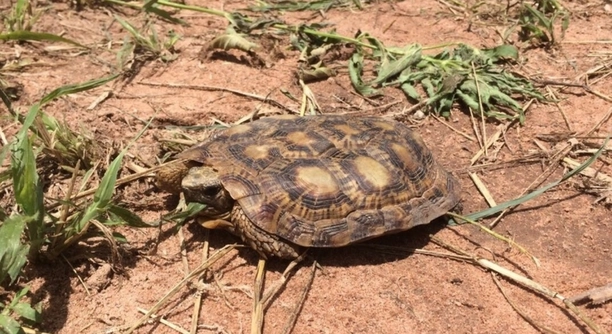
Pancake tortoises are unique and fascinating reptiles, but like all pets, they require proper care. If you notice your pancake tortoise isn’t feeling its best, it’s important to pinpoint what might be wrong.
Several factors can contribute to your pancake tortoise’s sickness, including improper diet, poor habitat conditions, stress, or a lack of proper veterinary care. Addressing these concerns quickly can improve their health and overall well-being.
Identifying these factors will allow you to make the necessary changes for your pancake tortoise’s health. Continue reading to learn more about what could be affecting your reptile’s well-being.
1. Improper Diet
Feeding your pancake tortoise the wrong foods is one of the most common reasons for health problems. They are herbivores and need a diet that includes a variety of leafy greens, grasses, and occasional fruits. Overfeeding them with sugary fruits or offering too many processed foods can harm their digestion and lead to illness. The right diet supports their immune system and keeps them active.
Even small dietary mistakes can have a big impact. Overfeeding or choosing the wrong plants may lead to bloating or constipation. Make sure the food you provide is rich in fiber and low in protein.
Ensure you’re offering a wide range of safe, fresh foods to meet their nutritional needs. It’s also important to avoid feeding them anything toxic, like certain types of lettuce, which can cause digestive issues. You should also limit sugary fruits, which can upset their digestive system. A proper diet is key to preventing illness and maintaining overall health.
2. Inadequate Habitat
The environment your pancake tortoise lives in plays a major role in its health. Without the right temperature, humidity, and space, they can become stressed or sick. They need a habitat that mimics their natural surroundings in the wild, with enough space to roam and hide. Without proper care, they can become lethargic or even develop respiratory problems.
Their enclosure should have both a basking area and a cooler area, with a temperature range between 75-85°F. It’s important to monitor the humidity levels, as overly dry conditions can lead to dehydration and skin shedding issues. Make sure the environment is clean and safe for them to explore.
You also need to provide hiding spots and safe places for your pancake tortoise to retreat. A stressed-out tortoise can have a weakened immune system, making them more prone to sickness. Proper lighting, substrate, and temperature regulation will ensure they feel secure and healthy. Their habitat is essential to their well-being, and providing the right setup can help avoid many common health problems.
3. Stress
Stress is a silent cause of many health issues in pancake tortoises. A stressful environment can weaken their immune system, leaving them vulnerable to sickness. Common stressors include loud noises, frequent handling, or changes in their surroundings.
When a tortoise is stressed, it may show signs of lethargy, hiding, or a lack of appetite. These are signs that it is feeling uncomfortable in its environment. Long-term stress can lead to more serious health problems, like weakened bones or digestive issues. It’s important to observe your tortoise’s behavior closely and avoid unnecessary disturbances.
One way to reduce stress is by providing them with a consistent and quiet environment. It’s also crucial to limit physical handling unless necessary. Creating a calm, peaceful habitat where your tortoise feels safe and secure can greatly improve its health and overall well-being. Keeping their routine consistent is another way to help minimize stress.
4. Lack of Proper Veterinary Care
Regular check-ups are essential for keeping your pancake tortoise healthy. Many health issues may not be immediately visible, and a vet can spot early signs of trouble before they worsen. Without proper care, common diseases can go undiagnosed.
Taking your tortoise for annual check-ups helps ensure its health is monitored. Even if it looks healthy on the outside, there may be underlying issues like parasites or vitamin deficiencies. A veterinarian who specializes in reptiles can guide you on how to properly care for your pet and prevent illness.
Ignoring the need for regular vet visits can lead to avoidable health problems. These visits also help keep vaccinations up to date, which is crucial for preventing diseases. If your tortoise starts showing symptoms of sickness, it’s best to seek professional help immediately. Don’t wait for it to get worse.
5. Poor Hydration
Dehydration is another common issue that can make your pancake tortoise sick. They need access to clean water at all times, and without it, they may become lethargic, lose appetite, or have trouble shedding.
Always provide a shallow water dish, ensuring it’s easy for your tortoise to drink from. Monitor its water intake closely and replace the water regularly. If it seems to avoid drinking, try misting the enclosure to increase humidity or offer fresh foods with high water content.
A tortoise that doesn’t drink enough water is more likely to suffer from dehydration, which can lead to other health problems like kidney issues.
6. Improper Lighting
Pancake tortoises need proper lighting to stay healthy, especially for their shell and bone development. Without UVB light, they can suffer from metabolic bone disease, a serious condition that weakens their bones and causes deformities.
A UVB bulb is necessary for providing the vitamin D3 your tortoise needs to absorb calcium. Without it, they cannot metabolize calcium properly, which is crucial for strong bones and shells. Ensure that the light is positioned correctly to reach your tortoise’s basking area, and change the bulb every six months for optimal performance.
7. Overcrowding in the Enclosure
Having too many tortoises in one space can cause stress and health problems. Overcrowding leads to competition for resources, like food, water, and space. This can also lead to fighting, which may result in injury or disease.
If you have multiple tortoises, ensure there’s enough space for each one to roam freely. Providing separate areas for basking and hiding can help reduce stress. Overcrowding can also lead to poor air quality and an unsanitary environment, which can quickly lead to illness.
FAQ
How do I know if my pancake tortoise is sick?
If your pancake tortoise is sick, it may show signs like lethargy, loss of appetite, swollen eyes, or abnormal breathing. They may also have difficulty shedding their skin or show changes in their shell, such as softness or cracks. Any unusual behavior, like hiding more than usual or becoming less active, could indicate an issue. If you notice these signs, it’s best to consult a veterinarian to determine the cause.
What should I feed my pancake tortoise?
A healthy diet for your pancake tortoise should consist mainly of dark leafy greens like collard greens, dandelion greens, and kale. You can also offer grasses, flowers, and occasional fruits like strawberries or melon. Be cautious with fruit, as too much sugar can cause digestive problems. It’s essential to avoid feeding them foods like iceberg lettuce, as it provides little nutritional value. Providing a varied and balanced diet is key to keeping your tortoise healthy.
Can I handle my pancake tortoise often?
Handling your pancake tortoise should be kept to a minimum, as they are easily stressed. While it’s okay to interact with them occasionally, excessive handling can make them anxious and affect their overall health. If you do need to handle them, make sure it’s gentle and brief. They should have a safe, quiet environment to retreat to when they feel overwhelmed. Providing them with an enriching habitat to explore will also allow them to thrive without constant interaction.
How can I make sure my pancake tortoise’s habitat is correct?
Your pancake tortoise’s habitat should have both a warm and cooler area. The basking spot should be between 85-90°F, while the cooler side should be around 75°F. You’ll also need to provide UVB lighting to mimic natural sunlight, helping them process calcium for strong bones. The substrate should be absorbent, like coconut coir or a mix of sand and soil, allowing for proper digging behavior. Make sure the habitat is large enough for them to roam comfortably and has hiding spots to reduce stress.
How often should I clean my pancake tortoise’s enclosure?
Cleaning your tortoise’s enclosure should be done regularly to ensure it remains hygienic. You should spot clean daily, removing waste like feces and uneaten food. A deeper cleaning, where you replace the substrate and disinfect the entire enclosure, should be done every 2-4 weeks. Always use reptile-safe cleaning products to avoid harmful chemicals. Maintaining a clean environment reduces the risk of disease and ensures your tortoise’s habitat is safe and comfortable.
Is it safe to let my pancake tortoise roam outside?
While it’s safe to let your pancake tortoise roam outside occasionally, there are some important considerations. Ensure the outdoor area is secure, free from predators, and provides shade and shelter. Avoid letting them out in extreme temperatures, as they can overheat or become too cold. Always supervise them to ensure they don’t eat harmful plants or get into dangerous situations. Outdoor time can provide enrichment, but it should always be done with caution.
What temperature should my pancake tortoise’s habitat be?
The temperature range for your pancake tortoise’s enclosure should be between 75-85°F. The basking area should be the warmest, reaching 85-90°F, allowing your tortoise to regulate its body temperature. It’s important to maintain a gradient of temperature in the enclosure, allowing your tortoise to move to a cooler or warmer spot depending on its needs. Use a thermometer to monitor the temperature and make adjustments if necessary.
How do I know if my pancake tortoise is dehydrated?
Signs of dehydration in a pancake tortoise include a lack of appetite, sunken eyes, dry or flaky skin, and lethargy. If you notice these symptoms, offer water and mist the enclosure to increase humidity. You can also offer moist leafy greens to help with hydration. Dehydration can cause serious health issues, so it’s important to address it quickly. If the symptoms persist, it’s best to contact a veterinarian.
Can I feed my pancake tortoise fruits regularly?
Fruits should be fed to your pancake tortoise only as an occasional treat. While they enjoy the sweetness, too much fruit can upset their digestion due to the high sugar content. Offer fruits like strawberries, melon, and papaya sparingly, and always ensure the bulk of their diet consists of leafy greens, grasses, and other vegetables. Overfeeding fruits can lead to obesity and other health issues. Moderation is key.
What should I do if my pancake tortoise isn’t eating?
If your pancake tortoise isn’t eating, it could be due to stress, an environmental issue, or an underlying health problem. Check the temperature and humidity levels in its enclosure to make sure they are within the proper range. If the conditions are correct and your tortoise is still not eating, try offering different types of food. If the lack of appetite continues for several days, it’s important to consult a vet to rule out any medical concerns.
Can I keep my pancake tortoise with other tortoises?
It’s possible to keep multiple tortoises together, but it’s important to ensure they have enough space to avoid stress. Pancake tortoises can sometimes become territorial, so overcrowding can lead to fighting. If you keep multiple tortoises, make sure each one has its own space to eat, bask, and hide. Monitor them closely for signs of aggression or stress. If you notice any issues, it may be necessary to separate them to maintain a peaceful environment.
Final Thoughts
Caring for a pancake tortoise requires attention to detail and a commitment to providing the right environment and diet. These reptiles are unique, and while they’re fairly easy to care for, there are a few things that need to be consistently monitored. Their diet, habitat, hydration, and stress levels all play a significant role in their overall health. By ensuring that they receive the proper care, you can help them live a long, happy life.
One of the most important aspects of tortoise care is their habitat. The enclosure should be spacious enough for them to move around, with distinct areas for basking and cooling down. Proper lighting is essential for their health, especially UVB lighting, which helps with calcium absorption. Without it, your tortoise could develop serious bone health issues. Additionally, maintaining the right temperature and humidity levels is crucial for their well-being. Make sure the environment is kept clean, as a dirty enclosure can lead to various health problems.
Lastly, it’s essential to be mindful of your tortoise’s behavior. Stress can lead to many health problems, so it’s important to provide a quiet and secure environment for them to feel safe. Regular check-ups with a reptile vet can help you catch any issues early on, especially since some health problems aren’t always immediately noticeable. By following a few simple guidelines, like feeding a balanced diet and keeping their habitat stress-free, you can ensure your pancake tortoise stays healthy and happy for years to come.

Hello,
If you enjoy the content that we create, please consider saying a "Thank You!" by leaving a tip.
Every little bit helps us continue crafting quality advice that supports the health, happiness, and well-being of pets around the world, for pets of all shapes, sizes, and species.
We really appreciate the kindness and support that you show us!