
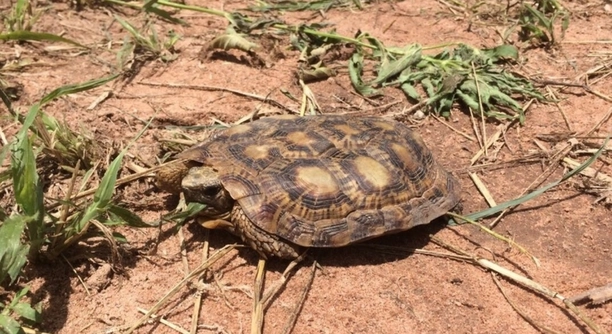
Pancake tortoises are unique and fascinating creatures. However, there may be moments when their behavior becomes unpredictable or even aggressive. Understanding the causes of this behavior can help you provide a better environment for your pet.
Several factors may contribute to a pancake tortoise’s aggression, including improper tank conditions, lack of space, poor diet, stress, and the presence of other animals. Addressing these elements can reduce stress and improve their overall well-being.
Knowing what influences their behavior will help you create a safer and more comfortable environment. Understanding the causes of aggression can guide you toward providing the best care for your tortoise.
Improper Tank Conditions
Your pancake tortoise’s habitat plays a huge role in its behavior. If the tank is too small or lacks proper hiding spots, the tortoise may feel stressed and become aggressive. These animals prefer to have a spacious area to roam and climb. Additionally, a tank without enough places for the tortoise to retreat can make it feel exposed and anxious. Proper lighting, temperature, and humidity levels are also essential for a healthy environment. Without these, the tortoise could struggle, leading to frustration and possible aggression.
The right environment supports both their physical health and mental well-being. A well-maintained habitat with the right elements can prevent stress and reduce aggressive behavior.
If the tank is too small or the conditions are wrong, it’s important to take immediate action. Ensure that your pancake tortoise has a proper environment where it can feel secure. Keeping the space clean, at the right temperature, and providing areas to hide can help it thrive.
Poor Diet Choices
A pancake tortoise’s diet can influence its behavior. If it’s not getting the right nutrition, it might feel irritable or sluggish, which can lead to aggression. Ensure you’re offering a variety of greens, such as dandelion leaves and collard greens, along with the occasional protein source. Lack of proper nutrients, like calcium, can also contribute to irritability. If your tortoise isn’t eating enough or has a restricted diet, it could become stressed.
A balanced diet is a key factor in maintaining calm behavior in your tortoise. If they’re not eating well, their mood and aggression levels may increase. Make sure they have all the nutrients they need.
Offering a variety of food and maintaining a healthy diet is a straightforward way to avoid aggression. Monitor your tortoise’s eating habits and adjust their diet if necessary. A well-fed tortoise will be less likely to act aggressively and more likely to thrive in its environment.
Stress and Overhandling
Overhandling your pancake tortoise can increase its stress levels. These tortoises are naturally shy and need their space. Constant interaction or being moved around too much can cause them to feel threatened, leading to defensive behavior like biting or hissing. It’s essential to respect their boundaries.
Stress is one of the most common reasons for aggressive behavior in tortoises. When a tortoise is stressed, it may withdraw into its shell or react aggressively if it feels cornered. To avoid this, limit handling to a minimum and allow your tortoise to adjust to its surroundings. If handled gently, they may become more comfortable over time.
Remember that pancake tortoises are not pets that enjoy frequent handling. Giving them time to settle into their environment and allowing them to explore on their own can reduce stress. Providing a calm, peaceful atmosphere will help prevent aggression and encourage a more natural behavior.
Incompatible Tank Mates
If you have other reptiles or pets in the same space, your pancake tortoise might feel threatened. They don’t do well with aggressive or overly active tank mates. Even if other creatures seem peaceful, the tortoise may become defensive, which can lead to aggression.
Tank mates, especially those that are larger or faster, can stress out your pancake tortoise. If you’ve noticed increased aggression, it’s possible that the presence of other animals is the cause. Separate your tortoise from any potential aggressors. Even with similar species, differences in behavior and needs can cause stress.
To prevent aggression, it’s important to carefully choose tank mates. If you must house multiple animals, ensure their temperaments are compatible. A peaceful, safe environment with only the tortoise or compatible species will allow your pancake tortoise to thrive and reduce its stress levels.
Illness or Injury
If your pancake tortoise is feeling unwell or has an injury, it may act out aggressively. Illnesses can cause pain, leading to a defensive response. A tortoise in pain might hide, hiss, or even attempt to bite as a way to protect itself.
It’s important to observe your tortoise for signs of illness, such as changes in appetite, behavior, or movement. If any unusual symptoms arise, a vet visit is necessary. Tortoises often hide their discomfort, so understanding their normal behavior will help identify if something is wrong.
Caring for your tortoise means paying attention to subtle changes in behavior. Even a small injury can lead to irritation. Treating illnesses or injuries promptly will ensure your tortoise remains calm and healthy.
Temperature and Humidity Levels
Incorrect temperature and humidity can trigger stress in pancake tortoises, leading to aggressive behavior. These tortoises need a warm, humid environment to thrive. If the tank is too dry or too cold, the tortoise may become irritable or lethargic.
Check that the temperature and humidity are at appropriate levels. A basking spot of around 95°F and a cooler area of around 75°F will keep the tortoise comfortable. Humidity should range between 50-70%. Proper levels will keep your tortoise healthy, reducing the likelihood of aggressive behavior.
Keeping the environment at the right temperature and humidity is one of the easiest ways to avoid aggression. Make sure to monitor and adjust the conditions regularly for a more content tortoise.
FAQ
What is the best way to prevent aggression in pancake tortoises?
The best way to prevent aggression in pancake tortoises is to maintain a calm, stress-free environment. This includes providing enough space for them to move around and ensuring their tank has proper humidity and temperature levels. Keep handling to a minimum, and avoid placing them with tank mates that might stress them out. A proper diet and regular observation for any signs of illness are also key to keeping them happy and healthy.
How often should I handle my pancake tortoise?
Pancake tortoises are not the most social reptiles and don’t enjoy frequent handling. It’s best to handle them only when necessary, like during cleaning or health check-ups. If you do handle them, keep it brief and gentle. Allow your tortoise to explore its surroundings at its own pace. Over-handling can cause stress and lead to defensive behavior.
Can pancake tortoises live with other reptiles?
Pancake tortoises can live with other reptiles, but only if their tank mates are calm and peaceful. Avoid housing them with larger, more aggressive reptiles or those with different temperature and humidity needs. Even similar species can cause stress if their temperaments clash. Monitor interactions closely to ensure compatibility.
What temperature and humidity do pancake tortoises need?
Pancake tortoises require a warm environment with a basking spot of around 95°F (35°C) and a cooler area of about 75°F (24°C). Humidity should be kept between 50-70% to mimic their natural habitat. You can achieve this by using a humidity gauge and adjusting the tank’s moisture level accordingly.
What should I feed my pancake tortoise?
A healthy diet for pancake tortoises includes leafy greens like dandelion leaves, collard greens, and mustard greens. You can also offer occasional fruits and flowers. It’s important to include calcium-rich foods or provide a calcium supplement to prevent shell issues. Avoid feeding them high-protein foods regularly as this can cause health problems.
Why is my pancake tortoise hissing or biting?
Hissing and biting are typical defensive behaviors in pancake tortoises. They may hiss or bite if they feel threatened, stressed, or in pain. If your tortoise is acting aggressively, check its environment for any signs of stress, injury, or illness. Overhandling and improper tank conditions are common causes of such behavior.
How can I tell if my pancake tortoise is sick?
Sick pancake tortoises often show changes in behavior, such as lethargy, loss of appetite, or difficulty moving. Look for visible signs like swollen limbs, discharge from the eyes or nose, and abnormal feces. If your tortoise is hiding more than usual or showing any of these symptoms, it’s important to take it to a vet for a check-up.
Can I keep more than one pancake tortoise in the same tank?
It is possible to keep more than one pancake tortoise in the same tank, but only if the tank is large enough to provide adequate space for each one. Overcrowding can lead to stress and territorial aggression. If you house multiple tortoises together, ensure there are separate hiding spots and enough room for each to move freely.
How do I know if my pancake tortoise is stressed?
Signs of stress in pancake tortoises include excessive hiding, aggressive behavior like biting or hissing, or loss of appetite. They may also become more withdrawn and stop interacting with their surroundings. Stress can be caused by improper tank conditions, overhandling, or the presence of other stressful animals in the enclosure.
What should I do if my pancake tortoise is being aggressive?
If your pancake tortoise is being aggressive, first assess its environment. Check if it has enough space, proper lighting, and temperature. Ensure its diet is balanced and that it isn’t sick or injured. Reducing handling and giving your tortoise some alone time may help calm it down. If aggression persists, consult with a reptile vet.
Final Thoughts
Pancake tortoises are fascinating creatures, but they can sometimes show aggression if their needs aren’t met. It’s important to keep their habitat in top condition with enough space, proper temperature, and humidity. If they’re kept in an environment that is too small, too hot, too cold, or too dry, they may become stressed, which can lead to aggressive behavior. Providing a clean and spacious tank where they feel safe is essential. Regularly checking the conditions and making adjustments will help ensure they stay calm and healthy.
A balanced diet is another key factor in keeping your pancake tortoise happy. Without the proper nutrients, these reptiles may become irritable. Offering a variety of greens and occasional fruits will support their health. Additionally, calcium supplements are important for their shell development and overall well-being. Keeping track of their eating habits and adjusting their diet as needed can prevent health issues and improve their mood. A well-fed tortoise is more likely to remain calm and content in its environment.
Stress is often a major cause of aggression in pancake tortoises. Overhandling, incompatible tank mates, or the presence of other stressors can make them defensive. To keep them at ease, limit interactions and allow them to roam freely within their tank. Pay attention to signs of stress, such as excessive hiding or aggression, and address the issue quickly. Creating a peaceful environment with the right care will help your tortoise feel comfortable and reduce the likelihood of aggressive behavior.

Hello,
If you enjoy the content that we create, please consider saying a "Thank You!" by leaving a tip.
Every little bit helps us continue crafting quality advice that supports the health, happiness, and well-being of pets around the world, for pets of all shapes, sizes, and species.
We really appreciate the kindness and support that you show us!