
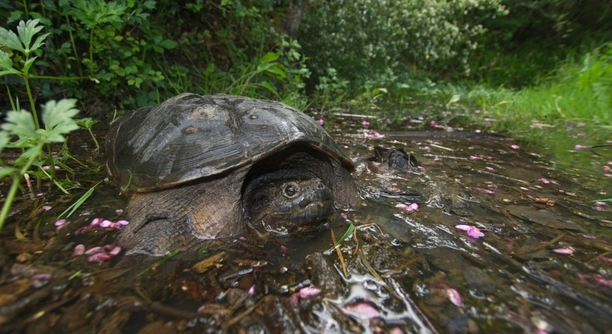
Snapping turtles are fascinating creatures, but they can sometimes display aggressive behavior. Understanding what might trigger this aggression can help you handle them safely and avoid getting hurt.
Several factors could cause your common snapping turtle to become aggressive, including habitat disturbances, fear, hunger, or even improper handling. Stress, poor conditions, and territoriality can all contribute to their defensive behavior.
There are many reasons for snapping turtle aggression, and being aware of them can help you prevent any issues. Handling these creatures the right way can make all the difference.
Stress and Habitat Disturbance
Stress is one of the primary reasons for snapping turtle aggression. When their environment is disturbed, these creatures may feel threatened. A change in water conditions, noise, or the presence of other animals can make them feel unsafe. Turtles are creatures of habit, and any disruption can cause anxiety. If you’re keeping a snapping turtle as a pet, try to maintain a consistent and quiet environment for them. Avoid sudden movements or loud sounds, especially near their habitat.
If your turtle seems more aggressive than usual, consider the changes in their surroundings. A stressed turtle may lash out as a defense mechanism. This aggression is often an attempt to protect themselves from perceived threats. Ensuring a stable, peaceful environment can help reduce this stress, allowing them to feel more comfortable and less inclined to attack.
The type of space they are in plays a crucial role in their behavior. Snapping turtles thrive in natural settings or properly maintained enclosures. Inadequate space or poor water quality could contribute to feelings of stress. Check their tank or habitat regularly for cleanliness, temperature, and water condition to help them stay relaxed.
Fear and Defensive Behavior
Fear often triggers aggression in snapping turtles. When they feel threatened, their natural instinct is to protect themselves. The more a turtle feels cornered, the more likely it is to snap. Handling them too frequently or too roughly can provoke this fear.
A snapping turtle’s behavior is driven by a desire to avoid danger. They will use their powerful jaws as a defense mechanism when they feel there’s no escape. Knowing how to handle them gently and carefully can reduce unnecessary stress and prevent attacks.
Hunger and Food Scarcity
When a snapping turtle is hungry, it can become more aggressive. These turtles are opportunistic feeders and may become frustrated if they’re unable to find enough food. A lack of food or irregular feeding schedules can make them anxious and irritable. They may lash out if they feel threatened by your presence near their food source. Regular feeding can keep them calm, reducing the chances of aggressive behavior.
Ensure your snapping turtle is fed enough and on time to avoid aggression. If you’re feeding them in an enclosure, consider providing them with a variety of foods to keep them satisfied. Not having a proper food source can increase their aggression levels, so being consistent in their feeding habits is key.
Turtles can also become defensive if they feel other animals or humans are trying to take their food. By observing their behavior and respecting their space during feeding time, you can help reduce stress and prevent unnecessary aggression. A full and content turtle is less likely to act out.
Territorial Behavior
Snapping turtles are highly territorial. If they feel that their space is being encroached upon, they may become aggressive. This behavior is a natural instinct, as they seek to protect their home from intruders. If you’re keeping a snapping turtle in an enclosure, make sure it’s spacious enough for them to feel secure.
When setting up a habitat for your turtle, be mindful of their territorial nature. They may become defensive if other animals, including other turtles, enter their space. It’s important to create a habitat where they feel safe and have plenty of room to roam without feeling crowded. Proper tank size and separation from other animals can go a long way in reducing aggressive behavior.
Improper Handling
Improper handling can easily make a snapping turtle aggressive. If you try to pick them up incorrectly or too roughly, they may feel threatened and react defensively. Always approach them calmly and with care to avoid startling them.
A snapping turtle’s first instinct when threatened is to use its strong jaws to defend itself. If you’re handling one, use both hands and support its body properly. Avoid holding them by their tail, as it can cause stress and injury. Respecting their space and handling them gently will reduce the chances of an attack.
Illness or Injury
A snapping turtle in pain or feeling unwell can become more irritable and aggressive. Illness or injury may leave them feeling vulnerable and stressed, leading them to lash out. Regular check-ups can help spot any health issues early on.
If you notice unusual behavior, such as more frequent snapping or hiding, consider a visit to the vet. Illness or injury should not be ignored, as it could make their behavior unpredictable. Caring for your turtle’s health is an important part of preventing aggression.
FAQ
Why do snapping turtles attack?
Snapping turtles typically attack when they feel threatened, scared, or cornered. They rely on their powerful jaws as a defense mechanism to protect themselves. If they are surprised, mishandled, or unable to escape, they may resort to aggressive behavior. Territoriality, hunger, or even stress can also trigger an attack. Understanding what causes this aggression can help prevent it.
How can I prevent a snapping turtle from being aggressive?
To reduce aggression, make sure to create a calm, stable environment for your turtle. Avoid sudden movements, loud noises, or overcrowding their space. Handle them gently, and always respect their boundaries. Consistent feeding schedules and proper care will also help them feel more secure, lowering the chances of aggression.
What should I do if a snapping turtle tries to bite me?
If a snapping turtle attempts to bite, it’s important to stay calm. Move away slowly without making sudden movements that could provoke it further. Try to give the turtle enough space to feel secure. If you must handle it, ensure you’re doing so safely and correctly. Never put your hands near its mouth.
Can snapping turtles be kept with other animals?
Snapping turtles are generally territorial and may not get along well with other animals, especially other turtles. They are more likely to become aggressive toward creatures that encroach on their space. If you keep multiple turtles together, make sure they have enough space to avoid conflict. Introducing new animals should be done cautiously and with plenty of space for each to feel safe.
How do I handle a snapping turtle safely?
When handling a snapping turtle, always use two hands: one to support its body and the other to hold the back of its shell. Avoid touching the tail, as it can be sensitive. Keep your hands away from its head and mouth to prevent being bitten. Handle them gently and only when necessary to reduce stress.
Do snapping turtles get along with humans?
While snapping turtles aren’t typically affectionate, they can become accustomed to human presence, especially if handled properly from a young age. However, they are not domesticated pets and should be treated with caution. They may not enjoy being picked up or touched, so always be respectful of their space.
How do I know if my snapping turtle is stressed?
Signs of stress in a snapping turtle can include aggression, hiding, excessive swimming, or changes in eating habits. If your turtle is acting out of the ordinary, check its environment for any changes that could be causing stress, such as water quality, noise, or lack of space. Regular observation will help you spot stress before it leads to aggression.
Can snapping turtles live in smaller tanks?
No, snapping turtles need a large tank or pond to thrive. They require space to move around, swim, and hunt. A small enclosure can lead to stress and territorial behavior. The minimum recommended size for a tank is 75 gallons for a single adult snapping turtle. If kept in a cramped space, they may become aggressive.
Why is my snapping turtle constantly hiding?
Hiding is a common behavior in snapping turtles, especially when they feel unsafe or stressed. It may also indicate that your turtle is sick or injured. Ensure that its habitat is quiet, secure, and free from stressors. If hiding continues for a prolonged period, it could be worth consulting a vet.
What should I feed my snapping turtle?
Snapping turtles are omnivores and enjoy a variety of foods, including fish, insects, worms, and plants. A balanced diet is key to maintaining their health. Regular feeding should include protein-rich foods like fish or shrimp, as well as leafy greens and vegetables. Make sure to offer a mix of food to avoid nutritional imbalances.
Final Thoughts
Understanding the behavior of snapping turtles is crucial for anyone who keeps them as pets or encounters them in the wild. These animals are often misunderstood, but with proper care and attention, you can avoid most aggressive situations. Snapping turtles are naturally defensive creatures, so it’s important to recognize the factors that may cause them to act aggressively. By providing a stable environment, meeting their physical needs, and respecting their space, you can minimize stress and reduce the chances of them feeling threatened.
It’s essential to remember that snapping turtles are not naturally inclined to be aggressive, but they will defend themselves when they feel cornered, hungry, or stressed. Many of the issues that lead to aggressive behavior can be avoided with simple steps, such as ensuring their habitat is large enough, their diet is balanced, and they’re not exposed to sudden disturbances. Also, understanding their territorial nature can help you avoid putting them in situations where they feel their space is being invaded.
If you’re handling a snapping turtle, do so with care and respect for their boundaries. Snapping turtles can be fascinating to watch, but they are not the easiest reptiles to interact with. They are better suited for observation rather than physical interaction, and handling them the wrong way can lead to bites or stress. Whether in the wild or as a pet, always approach these animals with the understanding that they are wild creatures with instincts designed to keep them safe.

Hello,
If you enjoy the content that we create, please consider saying a "Thank You!" by leaving a tip.
Every little bit helps us continue crafting quality advice that supports the health, happiness, and well-being of pets around the world, for pets of all shapes, sizes, and species.
We really appreciate the kindness and support that you show us!