
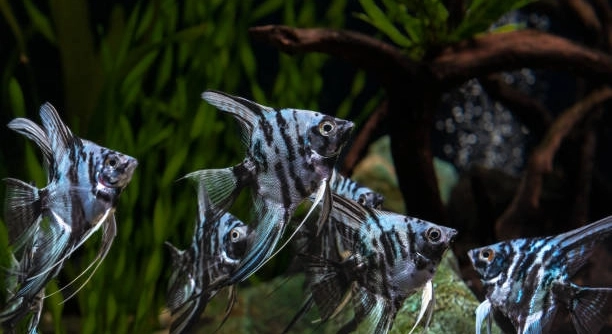
Angelfish are popular and beautiful pets, but keeping them happy can be tricky. There are many factors that can affect their well-being in the aquarium. Understanding these factors can help you create the best environment for your fish.
Several factors contribute to angelfish unhappiness, including water quality, tank size, temperature, and diet. Poor water conditions or overcrowding can cause stress, while improper nutrition can lead to health issues. Ensuring a balanced environment promotes overall well-being.
Identifying these elements will allow you to better care for your angelfish and provide a healthier habitat for them.
Water Quality
Maintaining good water quality is essential for the health of your angelfish. Fish rely on clean, properly filtered water to thrive. High levels of ammonia, nitrites, or nitrates can cause stress and illness. Regular water changes, proper filtration, and monitoring water parameters will ensure your angelfish stay healthy.
Inadequate filtration can allow waste to accumulate, raising harmful toxin levels. Keeping the water clean is as important as maintaining temperature and tank size.
It is advisable to test water regularly for pH, ammonia, nitrites, and nitrates. Proper water filtration helps remove waste, while regular changes prevent toxin buildup. The water temperature should also be stable, as drastic fluctuations can cause distress. A clean environment reduces the risk of disease and enhances your fish’s happiness and longevity.
Tank Size
Angelfish require a spacious tank for comfort. Too small of a tank will limit their movement, leading to stress and aggression. A minimum of 20 gallons is recommended for a pair of angelfish.
Crowded tanks make it difficult for your fish to find food and swim freely. Overcrowding can also lead to aggressive behavior and territorial disputes.
It is important to provide plenty of space for your angelfish to swim and explore. They are active fish that enjoy a spacious area to grow. A tank that is too small also leads to a buildup of waste, impacting water quality. A larger tank ensures better water circulation and provides a more comfortable environment for your angelfish.
Temperature
Angelfish prefer stable water temperatures between 76°F and 82°F. Sudden changes in temperature can cause stress and make them vulnerable to diseases.
Temperature fluctuations can lead to weakened immune systems in angelfish. When the water becomes too cold or hot, they may stop eating, become lethargic, or develop illnesses. Consistently maintaining the correct range reduces the likelihood of health problems.
A reliable aquarium heater is essential for keeping the water temperature constant. Monitor the temperature with a thermometer to ensure it remains within the recommended range. Angelfish are more sensitive to temperature changes than other fish, making it important to control the environment closely.
Diet
Feeding your angelfish a balanced diet is crucial for their well-being. Offer a variety of foods, such as high-quality pellets, flakes, and frozen or live food.
Angelfish need a diet rich in protein, vitamins, and minerals to stay healthy. Overfeeding or providing an unbalanced diet can lead to obesity, poor coloration, and other health issues. Feed them small amounts twice a day to avoid overfeeding and keep their digestive system in check.
It’s important to occasionally offer your angelfish live food like brine shrimp or bloodworms. These foods mimic what they would find in the wild and provide necessary nutrients. Keep in mind that a varied diet is key to maintaining their energy levels and preventing deficiencies.
Tank Mates
Choosing the right tank mates for your angelfish is crucial. They can become stressed or aggressive if paired with incompatible species.
Angelfish are peaceful but territorial and may not get along with small or fin-nipping fish. They do best with other peaceful, medium-sized fish that won’t crowd their space or challenge them.
When selecting tank mates, ensure they have similar water temperature and quality needs. Avoid overly aggressive species like certain cichlids. Compatibility is key to maintaining a peaceful, stress-free environment for your angelfish.
Stress
Stress is a leading cause of unhappiness in angelfish. Poor water conditions, overcrowding, or constant disturbances can cause anxiety.
Angelfish under stress may show signs such as hiding, loss of appetite, or abnormal swimming behavior. These stressors weaken their immune systems and make them more susceptible to diseases. Regular tank maintenance, appropriate tank size, and a peaceful environment can significantly reduce stress.
Lighting
Proper lighting helps regulate your angelfish’s behavior and sleep cycles. Too much light can cause stress, while too little can affect their health.
Provide a day-night cycle by keeping the lights on for 8-10 hours a day. This mimics natural conditions and supports healthy growth and behavior in your angelfish.
FAQ
How do I know if my angelfish is unhappy?
Signs of an unhappy angelfish include loss of appetite, hiding frequently, abnormal swimming, and faded coloration. Angelfish may also become more aggressive toward tank mates when stressed or unhappy. Monitoring their behavior can help you spot these signs early, so you can address the underlying issues promptly.
What causes my angelfish to stop eating?
If your angelfish is not eating, it could be due to water quality issues, improper temperature, or stress from tank mates. Stress or illness, such as parasites or internal infections, can also lead to a loss of appetite. Check the water parameters and ensure the tank is peaceful and the food is fresh.
Can angelfish live with other fish?
Angelfish can live with other fish, but compatibility is important. Avoid keeping them with fin-nippers or aggressive fish. Ideal tank mates include peaceful species like tetras, corydoras, and other medium-sized fish that don’t compete for food or space. Always ensure the tank size is adequate for all species.
Why is my angelfish hiding?
Angelfish may hide when stressed, sick, or when their environment is not ideal. It can also be a sign of aggression from tank mates or poor water quality. If hiding becomes frequent, test the water parameters and check for signs of illness. A quiet, peaceful environment may help them feel safer.
How often should I change the water in my angelfish tank?
It’s recommended to change 25-30% of the water every 1-2 weeks. This helps maintain proper water quality by removing waste and replenishing essential minerals. If your tank is heavily stocked or has high bio-load, you may need to change the water more frequently.
What temperature should my angelfish tank be?
Angelfish prefer water temperatures between 76°F and 82°F. Fluctuating temperatures can cause stress and make your fish more susceptible to illness. Invest in a reliable aquarium heater to maintain a consistent temperature and avoid sudden drops or spikes that can stress your angelfish.
How big should my angelfish tank be?
For one or two angelfish, a minimum tank size of 20 gallons is recommended. If you plan on adding more fish, you’ll need a larger tank to ensure enough space for everyone. A spacious tank provides better water quality and reduces stress on your angelfish.
Can I keep more than one angelfish together?
Yes, you can keep more than one angelfish together, but they are territorial and may fight, especially during breeding. If keeping multiple angelfish, provide plenty of space and hiding spots to reduce territorial disputes. A 30-gallon or larger tank is ideal for housing more than two angelfish.
What type of food should I feed my angelfish?
Angelfish thrive on a varied diet. Offer high-quality flakes or pellets, along with occasional live or frozen food like brine shrimp, bloodworms, or daphnia. Ensure the food is appropriate for their size, and avoid overfeeding, as this can lead to water quality issues and obesity.
How do I clean my angelfish tank?
To clean your angelfish tank, use an aquarium vacuum to remove waste from the substrate. Clean the filter regularly and remove any algae buildup from the glass. During water changes, remove debris and test the water parameters to ensure everything is in balance. Be gentle with cleaning to avoid stressing your fish.
Why are my angelfish fighting?
Angelfish are territorial and may fight with each other, especially if there isn’t enough space in the tank. Aggression can also increase during breeding, as they become more protective of their territory. Adding more hiding spots or increasing tank size may reduce territorial disputes.
How do I breed angelfish?
To breed angelfish, provide a separate breeding tank with a flat surface, such as a piece of slate or a broad leaf. Maintain stable water conditions and feed a high-protein diet to encourage spawning. Once the eggs are laid, the parents will guard them until they hatch. Be prepared to separate the fry once they begin swimming to avoid predation.
Can angelfish live with goldfish?
No, angelfish and goldfish do not make ideal tank mates. Goldfish prefer cooler water temperatures, while angelfish thrive in warmer water. Additionally, goldfish can be messy eaters, which can degrade water quality, leading to stress for your angelfish. It’s best to keep them in separate tanks.
Why are my angelfish swimming sideways?
Sideways swimming can indicate a problem with your angelfish’s health, such as swim bladder issues or internal parasites. It may also be a sign of stress from poor water quality or overcrowding. Observe the behavior carefully and consider checking water parameters, ensuring your fish aren’t suffering from illness or injury.
Can angelfish live without a filter?
While it’s possible for angelfish to survive without a filter, it is not recommended. A filter helps maintain water quality by removing waste, which is crucial for their health. Without proper filtration, harmful toxins can build up, leading to poor water conditions and stressing your fish.
Final Thoughts
Taking care of angelfish can be a rewarding experience, but it requires consistent attention to their environment. Proper water quality, suitable tank mates, and regular maintenance are key factors in keeping them happy and healthy. Understanding their needs, from water temperature to feeding habits, helps create the best possible environment for your fish. Ensuring they have enough space and the right conditions will prevent many common issues, like stress or illness.
One important aspect of angelfish care is monitoring their behavior and health. If they’re not eating, swimming abnormally, or hiding often, it’s a sign that something in their environment isn’t right. Water quality should be checked regularly, and temperature should remain stable. Additionally, you should watch for signs of aggression or stress, which could be a result of incompatible tank mates. Taking prompt action when problems arise is the best way to maintain a peaceful, thriving tank.
Caring for angelfish involves more than just basic maintenance. It’s about observing and adjusting to their needs as they change. Regular tank cleanings, proper feeding, and ensuring they have enough space to swim and hide are vital. When angelfish are in a comfortable environment with suitable conditions, they will thrive and display their natural, vibrant colors. By being attentive to these factors, you can ensure your angelfish will lead a healthy and happy life in your aquarium.

Hello,
If you enjoy the content that we create, please consider saying a "Thank You!" by leaving a tip.
Every little bit helps us continue crafting quality advice that supports the health, happiness, and well-being of pets around the world, for pets of all shapes, sizes, and species.
We really appreciate the kindness and support that you show us!