
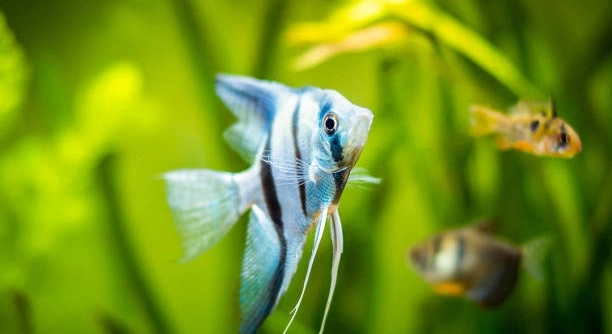
Angelfish are beautiful and peaceful creatures in the aquarium, but sometimes they can become unexpectedly aggressive. Understanding the causes behind this behavior can help you manage your fish’s temperament and create a better environment for them.
Several factors may contribute to angelfish aggression, including poor water quality, insufficient space, territorial disputes, or incompatible tank mates. Environmental stress and hormonal changes can also lead to aggressive behaviors in these usually calm fish.
Learning how to identify and address these factors can improve the overall well-being of your angelfish. With the right adjustments, you can help reduce aggression and maintain a peaceful aquarium.
Poor Water Quality
Angelfish are sensitive to water quality, and bad water conditions can easily lead to stress, which results in aggression. Dirty or improperly maintained water contains toxins like ammonia, nitrites, and nitrates that can irritate their skin and gills, causing discomfort. Stress can make angelfish more territorial and aggressive toward other fish.
Keeping the tank water clean is essential to maintaining healthy and peaceful angelfish. Regular water changes and proper filtration will keep harmful chemicals in check. It’s also important to monitor the water’s pH, temperature, and hardness, as fluctuations in these can affect their mood and behavior.
If you notice your angelfish becoming more aggressive, test the water to ensure it’s within their preferred range. Clear water promotes healthier fish and helps reduce stress, which is key to preventing unwanted aggression. Consistency in water maintenance is crucial for a happy aquarium.
Lack of Space
When angelfish don’t have enough space to swim freely, they can become territorial and aggressive. A cramped tank forces them into close quarters with other fish, leading to conflicts.
Angelfish require at least a 20-gallon tank for a single fish, and even more room for multiple fish. Providing a spacious environment reduces stress and helps minimize aggression. A larger tank allows them to establish their own space, decreasing the chances of fighting with tank mates. The more room they have, the less likely they are to display territorial behavior.
Having a large, well-planted tank can help them feel secure and reduce tension with other fish. It’s important to give your angelfish the space they need to swim around and feel comfortable. A well-sized tank is one of the simplest ways to manage aggression.
Territorial Disputes
Angelfish are known to establish territories in the aquarium. If they feel their space is being invaded, they may become more aggressive. This behavior is most common when they are breeding or when other fish get too close to their chosen areas.
To reduce territorial aggression, you can add more plants and decorations to your tank, creating hiding spots and barriers. This allows your angelfish to carve out their own space and feel less threatened by other fish. Additionally, placing tank mates with similar temperaments can help avoid conflicts.
Sometimes, the aggression can be more pronounced if there are competing males or if a dominant fish tries to control the area. In these cases, rearranging the tank layout may help shift the established territories, reducing tension between the fish. Ensuring a balanced, peaceful environment will prevent unnecessary fights.
Incompatible Tank Mates
Not all fish get along, and placing incompatible tank mates together can lead to aggression in angelfish. Some fish species may be too aggressive or too small, making them easy targets for angelfish. Choosing peaceful fish is key to a harmonious tank.
Angelfish do best with other peaceful species that won’t compete for the same space or food. Avoid adding small fish that can be seen as easy prey or overly aggressive fish that may challenge the angelfish’s dominance. Fish like tetras, guppies, or other calm, non-territorial species often make good companions.
When choosing tank mates, consider the size, temperament, and behavior of both the angelfish and the potential companions. Overcrowding can also contribute to stress and aggression. A well-thought-out mix of fish ensures a peaceful environment, reducing the chances of your angelfish becoming overly aggressive.
Hormonal Changes
Hormonal changes, especially during the breeding season, can make angelfish more aggressive. Males, in particular, become territorial and protective when they are ready to mate. This natural behavior can cause tension with other fish.
During breeding, angelfish may guard their eggs or territory more aggressively. If you have a pair, they might defend a specific spot in the tank, becoming hostile towards tank mates. Understanding this behavior helps in managing their aggression. It’s important to provide extra space or rearrange the tank if needed to reduce stress during this time.
Tank Size
A smaller tank can cause overcrowding, leading to increased aggression in angelfish. A larger tank provides more space, reducing stress and territorial disputes. Ensure your tank is spacious enough to avoid these issues.
The more room your angelfish have, the less likely they are to fight. A 20-gallon tank is a minimum for one angelfish, and even more is recommended if you have multiple. Space gives them room to swim, establish territories, and avoid conflict.
Stress
Stress is a major contributor to aggression in angelfish. It can be caused by various factors like poor water quality, overcrowding, or constant disturbances. When stressed, angelfish are more likely to become territorial or display aggressive behavior.
Keeping stress levels low is essential for a peaceful tank. Regular water changes, appropriate tank mates, and a quiet environment help keep your angelfish calm. Avoid sudden changes in the tank setup or water parameters, as this can increase stress and provoke aggressive behavior.
FAQ
What are the signs of aggression in angelfish?
Angelfish are generally peaceful, but when they become aggressive, you’ll notice them displaying certain behaviors. These include chasing other fish, nipping at fins, flaring their gills, and guarding a particular area of the tank. You may also see them become more territorial, especially when they are breeding. Aggressive angelfish might exhibit a sudden increase in activity, swimming quickly toward other fish to assert dominance.
Can angelfish live with other fish?
Yes, angelfish can live with other fish, but you need to choose tank mates carefully. Peaceful species like tetras, guppies, and corydoras catfish make good companions. Avoid overly aggressive fish or those that are too small, as angelfish may see them as threats or even prey. A well-planned tank setup ensures harmony between angelfish and their tank mates.
How do I prevent angelfish from being aggressive?
To prevent aggression, maintain a clean and stable tank environment with proper water parameters. Ensure that the tank is spacious enough, ideally 20 gallons or more for one angelfish. Provide plenty of hiding spots and decorations to reduce territorial disputes. Avoid overcrowding and choose compatible tank mates to minimize stress.
Do angelfish get along with each other?
Angelfish can get along with each other, but this depends on the number of fish and the space available. Keeping a single angelfish or a small group can work well, but if there are too many, aggression can arise, especially when they are establishing territories. If you’re keeping more than one, it’s best to have a larger tank with plenty of plants and hiding spaces.
Can angelfish become aggressive when stressed?
Yes, stress is a major factor in angelfish aggression. Factors such as poor water quality, overcrowding, incompatible tank mates, or sudden changes in the environment can cause stress. When stressed, angelfish may exhibit aggression as a response to feeling threatened. It’s important to identify the stressors and address them quickly.
Are female angelfish more aggressive than males?
Female angelfish can be aggressive, especially during breeding. However, males are often more territorial when they are guarding a mate or eggs. Both genders may show aggression at different times, but overall, males tend to be more dominant in protecting territory. Female aggression tends to increase when they are in the breeding process.
How often should I clean my angelfish tank?
Regular tank maintenance is crucial for the health of your angelfish. You should perform partial water changes of 20-30% every 1-2 weeks to maintain water quality. Additionally, clean the substrate, filter, and decorations regularly. Keeping the tank clean reduces stress, which can help prevent aggression in your fish.
Can overcrowding lead to aggression in angelfish?
Yes, overcrowding can definitely lead to aggression. When angelfish are kept in tanks that are too small or packed with too many fish, they feel stressed and may become territorial. Ensure that the tank is large enough for the number of fish you have and that there’s enough space for everyone to swim freely. Proper stocking levels help maintain a peaceful environment.
Why is my angelfish chasing other fish?
If your angelfish is chasing other fish, it’s likely a sign of territorial aggression. They may be defending their space or attempting to assert dominance. This is particularly common when they are in a breeding mood or feel their territory is being threatened. It’s essential to monitor interactions and rearrange the tank if necessary.
What should I do if my angelfish is attacking another fish?
If your angelfish is attacking another fish, you should first assess the cause. Check the water quality, tank size, and the compatibility of tank mates. If necessary, separate the aggressive angelfish from the victim to prevent injury. You can also rearrange the tank to disrupt territorial boundaries and help reduce aggression.
Can I reduce aggression by adding more angelfish?
Adding more angelfish can sometimes reduce aggression, but this depends on the tank size and the current aggression levels. In larger tanks, having more angelfish might help disperse aggression as they can form groups and establish their own territories. However, in smaller tanks, adding more fish can exacerbate the issue. It’s essential to ensure the tank is large enough and that fish are compatible.
Do angelfish get more aggressive as they age?
Angelfish do not generally become more aggressive as they age, but certain life stages can trigger aggressive behavior. For example, during breeding, both males and females become more territorial and protective. If your angelfish is older, it might become more aggressive due to changes in hormones or the tank setup.
How do I calm an aggressive angelfish?
To calm an aggressive angelfish, start by improving the tank environment. Ensure the water quality is excellent and that the tank is spacious enough. Adding plants and decorations can help provide hiding spots and reduce territorial behavior. If necessary, separate the aggressive angelfish from other fish until it calms down.
Is it normal for angelfish to fight during breeding?
Yes, it’s normal for angelfish to fight during breeding. Males can become very territorial and aggressive when guarding their mate and eggs. This behavior is instinctual and part of their reproductive process. If possible, provide more space for the pair to establish their territory and reduce aggression towards other tank mates.
Can I keep angelfish with other types of cichlids?
You can keep angelfish with other types of cichlids, but you must choose species that are not overly aggressive or too territorial. Some cichlids, like discus or peaceful dwarf cichlids, can coexist with angelfish. However, avoid more aggressive cichlids, as they may cause stress and lead to aggression in your angelfish.
What size tank is best for angelfish?
The ideal tank size for a single angelfish is 20 gallons, but more space is recommended if you keep multiple fish. A larger tank gives the fish room to swim, establish territories, and avoid stress. If you plan on keeping more than one angelfish, a 40-gallon tank or larger would be ideal.
Can temperature affect angelfish aggression?
Yes, temperature can affect angelfish aggression. Angelfish are tropical fish and prefer water temperatures between 75°F and 82°F. If the water temperature is too high or too low, it can cause stress, making the fish more prone to aggression. Keep the tank at a stable, optimal temperature to reduce any behavioral issues.
Final Thoughts
Angelfish are generally peaceful and beautiful additions to any aquarium, but they can become aggressive under certain conditions. By understanding the factors that contribute to their aggression, such as poor water quality, overcrowding, territorial disputes, and stress, you can create a peaceful environment for them. Ensuring your angelfish are in a suitable tank size, with the right tank mates and proper care, is key to preventing unwanted aggression. Regular maintenance and monitoring of their water quality are essential to keep your fish healthy and happy.
While aggression is common during breeding seasons, this behavior can be managed with proper tank setups. Providing enough space, hiding spots, and a stress-free environment reduces the likelihood of territorial conflicts. If aggression does arise, it’s important to take immediate action by addressing the root causes. This might include separating aggressive fish, changing the tank layout, or improving water quality. Remember that the health and well-being of your angelfish are closely tied to their environment, so maintaining a balanced and stable setup is crucial for fostering peace in your tank.
In conclusion, while angelfish aggression is something that can be managed, it requires understanding and effort. Every angelfish is unique, and it’s important to keep an eye on their behavior to prevent any issues before they escalate. With careful planning, thoughtful tank management, and regular monitoring, you can enjoy the beauty of your angelfish without the stress of constant aggression. Keeping them in a healthy and peaceful environment will allow your fish to thrive and bring joy to your aquarium.

Hello,
If you enjoy the content that we create, please consider saying a "Thank You!" by leaving a tip.
Every little bit helps us continue crafting quality advice that supports the health, happiness, and well-being of pets around the world, for pets of all shapes, sizes, and species.
We really appreciate the kindness and support that you show us!