
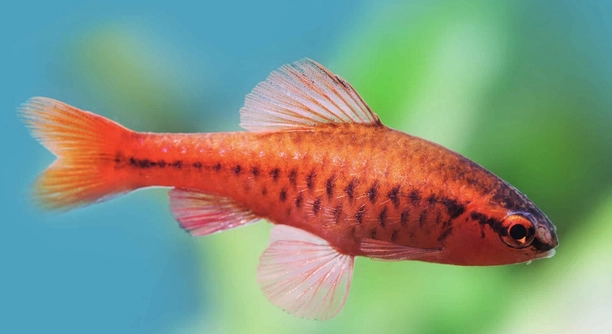
Cherry barbs are known for their bright colors and active nature. However, sometimes they can become unusually shy. Understanding the reasons behind this behavior can help you ensure they thrive in their environment.
Several factors can cause cherry barbs to become shy, including stress, poor water quality, or inadequate tank conditions. Changes in their habitat, such as a sudden temperature fluctuation or an overcrowded tank, may also lead to this behavior.
Addressing these issues can improve their confidence and help them feel more at ease in your aquarium. Understanding how these factors affect cherry barbs will guide you in creating a better environment for them.
Stress from Tank Mates
One of the main reasons cherry barbs may act shy is the stress from their tank mates. If they are housed with aggressive fish, they may feel threatened. Cherry barbs are peaceful and prefer to swim in groups. They may become anxious when placed with fish that are more dominant. This stress can cause them to hide or act less active.
In many cases, cherry barbs are just trying to avoid conflict. If you notice that your cherry barbs are staying in one corner of the tank, it could be a sign that they feel overwhelmed.
To help your cherry barbs feel more comfortable, consider separating them from aggressive species. Adding more plants or decorations in the tank can also provide them with hiding spaces, which will make them feel safer and less stressed. It’s important to choose tank mates that complement their calm nature to create a peaceful environment.
Water Quality Issues
Poor water quality is another significant factor that can cause cherry barbs to become shy. These fish are sensitive to fluctuations in water parameters like temperature, pH, and ammonia levels. If the water is too dirty or imbalanced, cherry barbs may become stressed and withdraw.
Maintaining stable water conditions is crucial to keeping your cherry barbs happy. Regular water changes and testing water quality will ensure that harmful toxins are kept at bay. Inadequate filtration can also lead to dirty water, which makes the fish uncomfortable. By making sure that your water conditions are ideal, you will reduce the risk of your fish hiding in fear.
The key to good water quality is consistency. Ensure that your filtration system is working well and that you are regularly checking the water parameters. When the water quality is perfect, your cherry barbs will feel secure enough to display their vibrant colors and active behavior.
Tank Size and Space
Cherry barbs may become shy if they feel cramped in a small tank. These fish like to have plenty of room to swim and explore. If the tank is too small or overcrowded, they might hide more often. The stress of living in a confined space can make them less active.
Providing a larger tank will give your cherry barbs room to move freely and feel safer. A tank that’s at least 20 gallons is ideal for a small group of cherry barbs. If you keep more fish, you should consider a larger tank to ensure everyone has enough space.
Along with the size, the layout of the tank matters too. Adding plants, rocks, and hiding spots allows your cherry barbs to find places to retreat to when they need a break. This setup helps them feel less stressed and more at ease in their environment. Having enough space and hiding spots also encourages natural behaviors and socializing with other peaceful fish.
Lighting and Brightness
Bright lights can cause cherry barbs to feel uneasy. They prefer dimmer lighting, as bright lights can make them more anxious and shy. In their natural habitat, cherry barbs tend to swim in areas with low light or shaded areas. When exposed to harsh lighting, they may retreat to darker parts of the tank to avoid stress.
If your tank’s lighting is too intense, consider using a dimmer light or placing plants and decorations that can provide shadows. Soft, natural lighting will help your cherry barbs feel more comfortable and reduce their shyness. It’s also important to mimic their natural day-night cycle to prevent any disruption to their behavior.
A more subtle lighting setup will encourage your cherry barbs to be more active and visible in the tank. Over time, you’ll notice them coming out more often, as they’ll feel less threatened by the lighting conditions. Reducing light intensity promotes a calmer environment, helping your cherry barbs thrive.
Temperature Fluctuations
Cherry barbs are sensitive to temperature changes. Sudden shifts in water temperature can make them feel stressed and cause them to act shy. Consistent, stable temperatures are essential for their well-being. If the water temperature fluctuates, your cherry barbs may retreat to a hiding spot and stay there.
It’s important to keep the water temperature within a specific range. For cherry barbs, the ideal temperature is between 72°F and 78°F. Using a reliable heater and thermometer will help maintain a steady temperature. A sudden drop or increase in temperature can cause long-term stress and health issues for your fish.
By keeping the water temperature stable, your cherry barbs will feel more secure and less likely to hide. Consistency in temperature will help them adjust better to their environment and feel more comfortable swimming freely.
Overfeeding
Overfeeding can cause issues for your cherry barbs. Excess food left in the tank can degrade water quality, causing stress. If the water becomes polluted, your fish may feel threatened, and their shy behavior may worsen. It’s important to feed them the right amount at the right time.
Only give your cherry barbs enough food for them to consume in a few minutes. Removing any uneaten food after feeding will help maintain a cleaner environment. Regular water changes and good filtration will also prevent food from affecting water quality. Overfeeding not only impacts water but can harm your fish’s health.
Inadequate Tank Decorations
A tank with minimal decorations can leave cherry barbs feeling exposed and vulnerable. They need plants, rocks, and hiding spots to feel secure. Without these, they may become more timid and spend most of their time hiding. Adding these elements creates a more comfortable, natural habitat.
A well-decorated tank mimics their natural environment and gives them places to rest or seek shelter. The addition of plants and structures will help your cherry barbs feel safe and less shy. A few decorative elements will encourage them to explore the tank and swim around more often.
FAQ
What is the ideal tank size for cherry barbs?
Cherry barbs prefer tanks that offer enough space to swim and explore. A tank of at least 20 gallons is recommended for a small group. Smaller tanks can lead to overcrowding, causing stress. Providing enough room for your cherry barbs ensures they can display natural behaviors and feel safe. If you have more fish, a larger tank will help maintain a peaceful environment, giving everyone adequate space to coexist.
Can cherry barbs live with other fish?
Yes, cherry barbs are peaceful fish and can live with many other species. They work well with other non-aggressive fish like tetras, guppies, and corydoras. However, it’s best to avoid placing them with overly aggressive or territorial fish, as they may feel threatened. Always consider the temperament of your tank mates before introducing new species.
How do I know if my cherry barbs are stressed?
When cherry barbs are stressed, they may exhibit signs like hiding, reduced activity, or lack of color. If they seem to spend most of their time in dark corners or behind plants, this could indicate they are feeling overwhelmed. Other signs include erratic swimming patterns or frequent darting around the tank. A stressed fish will often avoid interaction with other fish. Addressing environmental factors, such as water quality or tank mates, can help ease their stress.
Do cherry barbs need a filter in their tank?
Yes, cherry barbs require a filter to maintain a healthy and stable environment. A filter helps remove excess waste, uneaten food, and harmful toxins from the water. Without proper filtration, water quality can degrade quickly, leading to stress for the fish. Choose a filter with a gentle flow to avoid stressing out the cherry barbs, as they prefer calmer waters.
How often should I feed my cherry barbs?
Feeding your cherry barbs once or twice a day is sufficient. Only offer as much food as they can consume in about two to three minutes. Overfeeding can lead to poor water quality and health issues. Uneaten food should be removed promptly to prevent it from decaying in the tank. A varied diet with high-quality flakes, pellets, or live food will keep them healthy and active.
What water conditions do cherry barbs need?
Cherry barbs thrive in slightly acidic to neutral water, with a pH range of 6.5 to 7.5. The water temperature should stay between 72°F and 78°F. Regular water changes are important to maintain water quality, as cherry barbs are sensitive to pollutants like ammonia and nitrites. Testing the water regularly will help you ensure that the conditions remain ideal for your fish.
How do I make cherry barbs feel more comfortable?
To help your cherry barbs feel more at ease, provide a well-planted tank with plenty of hiding spots. Soft lighting can also help, as bright lights can make them anxious. Avoid keeping them with aggressive fish and make sure the water quality remains high. Creating a peaceful environment will encourage your cherry barbs to swim freely and interact with other fish.
Are cherry barbs easy to care for?
Cherry barbs are generally easy to care for, as long as their tank environment is well-maintained. They are hardy fish and can adapt to a variety of water conditions. However, like any pet, they need proper attention to details like tank mates, water quality, and feeding. Once their basic needs are met, cherry barbs can thrive in a properly cared-for tank.
Can cherry barbs breed in a home aquarium?
Yes, cherry barbs can breed in home aquariums. However, it may require specific conditions like a separate breeding tank with plants or spawning mops for the eggs. The females lay their eggs, and the male fertilizes them. Once the eggs hatch, the fry are very small and require special care, such as live foods for nourishment. If you’re interested in breeding cherry barbs, research the proper setup and ensure the right environment for the process.
How long do cherry barbs live?
Cherry barbs typically live between 3 to 5 years with proper care. Providing a stable environment, good water quality, and a balanced diet can help ensure they live a full lifespan. However, factors like stress, poor water conditions, or illness can shorten their lifespan. Keeping them in the right environment will maximize their health and longevity.
What kind of plants do cherry barbs like in their tank?
Cherry barbs enjoy a planted tank as it offers them hiding spots and a more natural environment. They particularly like plants that provide cover, such as Java ferns, Anubias, or Amazon swords. Adding floating plants like duckweed can also give them shaded areas. A well-planted tank will reduce their stress and encourage them to swim more freely. Make sure the plants are healthy and properly maintained to create an optimal habitat for your fish.
Final Thoughts
Cherry barbs are peaceful, colorful fish that can make a beautiful addition to your aquarium. However, like any fish, they require specific conditions to thrive. Ensuring that your cherry barbs feel comfortable and secure is key to preventing them from becoming shy or stressed. By paying attention to their water conditions, tank mates, and environment, you can help them live healthy, happy lives.
A stable environment is important for cherry barbs. They need consistent water temperatures, proper filtration, and a tank that offers hiding spots and plants for them to feel safe. When these conditions are met, cherry barbs will be more likely to swim actively and interact with other fish. Overfeeding and poor water quality can cause stress, so maintaining a proper feeding schedule and regularly testing the water will also help keep them in good health. Cherry barbs are sensitive to changes in their surroundings, so keeping their tank conditions stable is crucial.
By understanding the factors that influence their behavior, you can create an environment where cherry barbs feel at ease. They are social fish, so a peaceful tank with the right tank mates can help reduce shyness. Regular maintenance, such as cleaning the tank and monitoring water parameters, will ensure your cherry barbs stay healthy. With the right care, they will not only brighten up your aquarium but also remain active and confident in their space. Taking the time to meet their needs will lead to a rewarding experience for both you and your fish.

Hello,
If you enjoy the content that we create, please consider saying a "Thank You!" by leaving a tip.
Every little bit helps us continue crafting quality advice that supports the health, happiness, and well-being of pets around the world, for pets of all shapes, sizes, and species.
We really appreciate the kindness and support that you show us!