
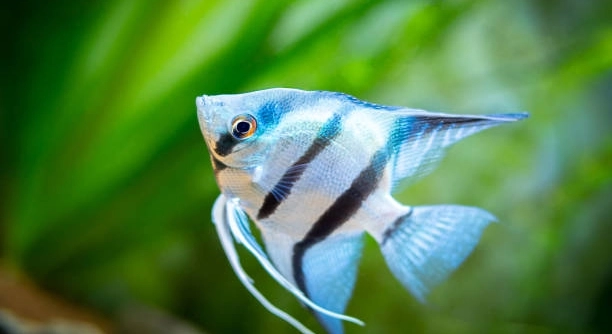
Is your angelfish acting less active than usual or showing signs of stress even though the tank looks clean and well-maintained?
Several common factors can quietly weaken an angelfish’s immune system, including poor water quality, an unbalanced diet, and chronic stress from improper tank conditions or aggressive tankmates.
Knowing what affects your angelfish’s health can make caring for them much easier and more rewarding in the long run.
Poor Water Quality
Angelfish need clean water to stay healthy. If their water has too much ammonia, nitrite, or nitrate, their immune system can weaken over time. Even small changes in water chemistry can stress them out. Uneaten food, waste, and overcrowding can quickly affect water quality. Regular water changes and proper filtration are important. Make sure the tank is not overstocked and the filter is working well. Test the water weekly for pH, ammonia, nitrites, and nitrates. Try to keep the temperature stable between 76°F and 82°F. Sudden temperature shifts can also cause stress. Always treat tap water with a conditioner to remove chlorine or heavy metals. Dirty water does more than just look bad—it affects your angelfish inside and out.
Angelfish exposed to poor water conditions may become more prone to infections, have slower healing times, or show changes in behavior such as hiding or refusing food.
Water quality plays a major role in your angelfish’s overall health. Clean water helps them grow well, stay active, and avoid stress-related illnesses. If their immune system is always under pressure due to toxins in the tank, they become more likely to develop bacterial or fungal problems. Healthy water equals a stronger, more vibrant angelfish. Keep their environment steady and safe.
Unbalanced Diet
Feeding your angelfish the same food every day might seem easy, but it could be affecting their immune system without you knowing it.
A varied diet gives angelfish the nutrients they need to stay healthy and active. Just feeding flakes or pellets isn’t always enough. These foods might lack important vitamins and minerals that boost immunity. Including frozen or live foods like brine shrimp, bloodworms, or daphnia can make a big difference. Adding vegetable matter like blanched spinach or peas helps too. Angelfish benefit from a diet that includes protein, fiber, and essential fatty acids. Overfeeding is another issue. It can lead to bloating and poor digestion, which lowers their energy and weakens their defenses. Remove uneaten food after a few minutes to avoid water issues. Feeding once or twice a day, in small amounts, is usually best. A well-rounded diet keeps them looking bright, swimming strong, and feeling good from the inside out.
Stress from Tank Mates
Angelfish can become stressed if they are housed with aggressive or fast-moving fish. This stress can wear down their immune system and make them more likely to get sick.
Some fish nip at angelfish fins or chase them around the tank, which causes constant tension. Even if there’s no visible damage, the stress can show up in other ways, like reduced appetite, duller colors, or hiding more often. It’s best to pair angelfish with peaceful species that share similar water needs and temperaments. Watching your tank for signs of bullying or overcrowding can help you catch issues early. Make sure there is enough space, hiding spots, and plants to help angelfish feel secure. The more comfortable they feel, the stronger their immune system stays.
Even angelfish among their own kind can show signs of dominance or aggression. Males especially may fight over space or mates. If one angelfish is constantly chasing or biting another, it creates long-term stress. When stress goes unchecked, it slows healing, weakens the body, and opens the door to parasites and infections. Separating aggressive fish or adding visual barriers like tall plants or driftwood can help ease the tension. A calm, peaceful tank keeps your angelfish healthier in the long run.
Inconsistent Lighting
Lighting affects how angelfish rest and stay active. Sudden light changes or lights that stay on too long can disrupt their natural rhythm and stress them out. A stressed angelfish is more likely to have a weaker immune system.
Angelfish need a regular day and night cycle to feel balanced. Leaving the light on all the time or turning it off and on at random times can confuse them. Too much light can lead to algae overgrowth, which makes the tank messy and affects water quality. On the other hand, too little light may weaken plant growth if you have live plants, changing oxygen levels in the tank. Use a timer to set consistent lighting, usually 10 to 12 hours per day. This helps angelfish feel more secure and supports a healthy tank environment overall. A steady routine keeps their stress low and immune defenses stronger.
Lack of Hiding Spots
When angelfish don’t have enough hiding places, they can feel exposed and unsafe. Constant exposure makes them anxious, which weakens their immune system over time and affects how well they eat and rest.
Adding tall plants, driftwood, or decorations gives them places to retreat and feel secure. This reduces stress and supports their health.
Fluctuating Temperatures
Angelfish thrive in steady, warm water. Frequent temperature swings can shock their system and weaken their defenses. Heaters that are too small, placed incorrectly, or left unmonitored often cause these changes. Using a reliable, adjustable heater and placing it near good water flow helps maintain a stable temperature. A thermometer is essential for regular checks. Aim to keep the water between 76°F and 82°F. If your room temperature changes a lot during the day or night, insulation or a second heater might be needed. Keeping temperature stable helps angelfish stay calm, active, and better able to fight off disease.
Overuse of Medications
Too many medications or constant treatments can slowly weaken your angelfish’s natural immune response. It’s better to target treatments carefully and only when needed.
FAQ
How often should I change the water in my angelfish tank?
You should change 25% of the water in your angelfish tank every week. This helps remove toxins like ammonia, nitrite, and nitrate that build up over time. If your tank is heavily stocked or you notice cloudy water, you might need to do small changes twice a week. Always use a water conditioner to remove chlorine and other harmful substances. When doing water changes, try to match the new water’s temperature to avoid stressing your fish. Regular water changes are one of the best ways to keep angelfish healthy and their immune system strong.
Can stress really make my angelfish sick?
Yes, stress has a strong effect on your angelfish’s immune system. When they are stressed for long periods—whether from poor water conditions, bullying tank mates, or loud noises near the tank—they become more likely to get sick. You might notice symptoms like fin rot, white spots, or fungus. Stress also lowers their appetite and can make them more aggressive or withdrawn. Reducing stress by maintaining stable tank conditions, giving them places to hide, and choosing the right tank mates can go a long way in preventing illness.
Is it okay to feed angelfish just flakes or pellets?
Flakes or pellets can be part of their diet, but feeding only that can lead to nutritional gaps. Angelfish need variety to stay healthy. Add frozen or live foods like bloodworms or brine shrimp to give them protein. Including blanched veggies like spinach or zucchini helps with digestion and nutrients. Alternate between different food types during the week. Over time, a more balanced diet helps improve their color, activity level, and resistance to disease. Feeding too much, even of healthy food, can harm water quality and health, so keep portions small.
What water temperature is best for angelfish?
The ideal temperature range is between 76°F and 82°F. Try to avoid going above or below that range for too long. Use a quality aquarium heater to maintain stable temperatures. If your home has large temperature swings, you may need a second heater or tank insulation. Sudden drops or spikes in temperature can stress angelfish, making them more likely to get sick. A thermometer helps you track any changes and fix problems early. Keeping the water warm and steady supports their immune system and overall comfort.
How do I know if tank mates are stressing my angelfish?
Look for signs like hiding more than usual, torn fins, or darting around the tank. If you notice one fish constantly chasing another, it could be causing stress. Angelfish do best with peaceful tank mates like tetras, corydoras, or gouramis. Avoid pairing them with fin-nippers or overly active species. Sometimes even other angelfish can create tension, especially in crowded spaces. If stress from other fish is ongoing, it can weaken their immune response. Rearranging the tank, adding hiding spots, or separating aggressive fish can help restore peace.
Can I use medications to prevent disease in my angelfish?
Using medications without a clear reason can actually do more harm than good. Overusing treatments may weaken your angelfish’s natural defenses and harm the helpful bacteria in your tank. If your angelfish looks healthy and your water quality is good, there’s no need for medication. Instead, focus on prevention—clean water, a balanced diet, stable temperature, and low stress. If you notice symptoms of illness, research the condition and treat it specifically. Quarantining sick fish before treating them can protect the rest of your tank. Use medications wisely and only when truly needed.
Final Thoughts
Caring for angelfish is not just about feeding them and watching them swim. It’s also about creating the right environment where they can grow, stay active, and avoid getting sick. Many things can slowly weaken their immune system without you noticing at first. Poor water quality, stress from other fish, sudden temperature changes, and lack of variety in their food all play a part. When angelfish are exposed to these things for too long, they become more likely to get infections or other health problems. Paying attention to these small details can make a big difference in how healthy and strong your angelfish stay over time.
Taking care of angelfish doesn’t need to be complicated. Most of the time, it comes down to simple habits that are easy to keep up with. Doing regular water changes, testing the water, giving them the right food, and making sure the tank stays peaceful are all part of good fish care. Watching how your angelfish act can also help you catch problems early. If they start hiding more, eat less, or look dull in color, it may be a sign something isn’t right. Fixing small issues quickly can prevent them from turning into bigger health problems later on.
Your angelfish depend on you to keep their tank clean, safe, and calm. A healthy tank gives them a better chance to live a longer, more active life. You don’t need fancy equipment or special tools—just a little time, attention, and consistency. Creating a routine for cleaning, feeding, and checking on your angelfish can go a long way in keeping them happy. Every tank is a little different, so what works for one may need small changes for another. But in general, reducing stress, feeding a balanced diet, and keeping water quality high will support their immune system and overall health. The more care you put in, the more you’ll get to enjoy watching your angelfish thrive.

Hello,
If you enjoy the content that we create, please consider saying a "Thank You!" by leaving a tip.
Every little bit helps us continue crafting quality advice that supports the health, happiness, and well-being of pets around the world, for pets of all shapes, sizes, and species.
We really appreciate the kindness and support that you show us!