
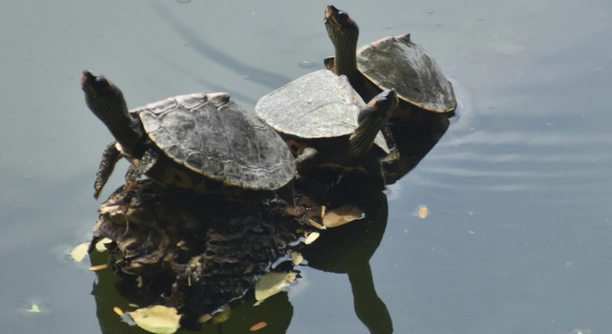
Is your Indian Roofed Tortoise’s shell peeling, and you’re unsure what might be causing it? Understanding the reasons behind this can help you ensure its health and well-being.
Peeling shells in Indian Roofed Tortoises can result from factors like improper humidity, poor diet, infections, shedding, or injuries. Each cause has its own set of symptoms and solutions that need to be carefully addressed.
In this article, we’ll explore the most common causes behind your tortoise’s peeling shell and offer helpful tips to keep your pet healthy and comfortable.
Low Humidity Levels
Tortoises, especially the Indian Roofed Tortoise, need a stable and controlled environment to stay healthy. One of the key factors in their care is humidity. When the humidity levels are too low, it can cause their shells to peel. This is because the tortoise’s shell requires moisture to stay flexible and healthy. If the habitat is too dry, the shell may start to shed prematurely, leading to visible peeling.
To prevent this, you should make sure your tortoise’s habitat has the right amount of humidity. This can be achieved by spraying the enclosure with water, using a humidifier, or placing a shallow water dish in their space.
Maintaining the right humidity level is not only important for preventing shell issues but also for the overall health of your tortoise. A humid environment helps your tortoise stay hydrated and supports proper shedding of the skin and shell. If the humidity is correct, the tortoise will be less likely to experience shell problems and will thrive in its enclosure.
Poor Diet
A diet that lacks essential nutrients can lead to peeling shells.
Tortoises need a balanced diet full of vitamins and minerals to maintain a healthy shell. If their food lacks calcium or other important nutrients, it may cause their shells to become brittle and prone to peeling. For the Indian Roofed Tortoise, offering a variety of leafy greens, vegetables, and occasional fruit can provide these nutrients.
A diet high in calcium is especially important for maintaining the strength and health of the shell. Calcium helps build and repair bone structure, which is essential for a tortoise’s shell. Without enough calcium, the shell might become soft or start to peel off. Consider providing calcium supplements, especially if your tortoise’s diet might not always offer enough. Adding a bit of cuttlebone to the enclosure can also help with calcium intake. Keep track of your tortoise’s eating habits to ensure they are getting everything they need to stay healthy and avoid shell issues.
Shedding Process
Peeling may simply be a part of your tortoise’s natural shedding process.
As your Indian Roofed Tortoise grows, its shell will shed layers in a process known as ecdysis. This is completely normal and helps your tortoise grow. The old shell layer comes off, making room for new growth. However, if the shedding process is not managed correctly, it may appear as peeling. Sometimes, this can happen if the tortoise has trouble shedding due to dryness or poor diet.
To support your tortoise during shedding, make sure its habitat has the right humidity and that its diet is rich in nutrients. You should also provide plenty of opportunities for soaking. A shallow dish of water will allow your tortoise to stay hydrated and help loosen old shell layers. While some peeling is expected, excessive or uneven shedding may indicate an underlying issue that requires attention. If the shell’s peeling seems too severe, consult with a vet for further advice.
Shell Injuries
Shell injuries are another reason why peeling can happen.
If your tortoise suffers from an injury, whether from an accidental bump, fall, or rough handling, it can cause damage to the shell. Injuries to the shell can lead to peeling as the body works to heal the damaged area. Sometimes, the damaged portion of the shell will begin to flake off as part of the recovery process.
If your tortoise’s shell appears cracked or damaged, it’s important to check for signs of infection. Infection can slow down the healing process and cause further peeling. Be sure to clean any injuries with mild antiseptic and keep the tortoise in a clean, safe environment to encourage healing. If you’re unsure of the severity of the injury, consulting a vet is always a good idea to avoid complications. Monitoring your tortoise’s behavior will also help you determine if it’s in pain or discomfort.
Fungal or Bacterial Infections
Infections can cause peeling of the shell in tortoises.
Fungal or bacterial infections often lead to damage and peeling of the shell. If your tortoise’s shell looks soft, discolored, or is oozing, an infection may be the cause. Infected areas may begin to peel as the body attempts to shed infected tissue.
Consult a vet if you notice signs of infection. They can determine the cause and recommend appropriate treatment. Keeping your tortoise’s environment clean and dry will help prevent the growth of harmful bacteria or fungi. Regularly check for any signs of infection, as untreated infections can worsen and cause serious health problems.
Stress
Stress can be a hidden cause of shell peeling.
Stress can lead to physical symptoms in tortoises, including shell peeling. It might be caused by environmental changes, handling, or even poor tank conditions. Keeping your tortoise’s environment stable and minimizing stressors can help prevent shell issues. It’s important to pay attention to any changes in behavior, as stress often manifests in ways like hiding or reduced eating.
Improper Lighting
Incorrect lighting is another factor to consider for peeling shells.
Your tortoise needs the right balance of UVB lighting to absorb calcium properly and maintain a healthy shell. Without proper UVB exposure, your tortoise may struggle with calcium absorption, which can cause weak and peeling shells. Make sure to provide a reliable UVB light source for 10-12 hours a day.
FAQ
What are the common signs of shell peeling in Indian Roofed Tortoises?
Shell peeling in Indian Roofed Tortoises can be noticeable as patches of the outer shell layer flaking off. The peeling might be localized to one area or occur across the whole shell. Other signs to watch for include discoloration of the shell, softness in certain spots, and rough texture. If your tortoise seems uncomfortable or shows signs of skin infection (like swelling or redness), it could indicate more than just shedding.
How do I prevent my tortoise’s shell from peeling?
Preventing shell peeling starts with maintaining a healthy environment. Ensure that your tortoise’s habitat has the right temperature and humidity levels. Use a humidity gauge to track moisture levels and keep the tank between 70% and 80% humidity. A balanced diet rich in calcium and vitamins will also support shell health. Provide UVB lighting to help your tortoise absorb calcium properly, and keep its living space clean to avoid infections. Regular soaking in shallow water will help with shedding and keep the skin moisturized.
Can stress cause my tortoise’s shell to peel?
Yes, stress can contribute to shell peeling. Changes in the environment, improper handling, and even overcrowding can stress out your tortoise. Stress affects their immune system, leading to health issues like peeling shells or skin shedding problems. To reduce stress, keep your tortoise’s habitat stable, avoid frequent handling, and provide adequate hiding spots and space. Make sure the tank is in a quiet area, free from sudden loud noises or disturbances.
Is peeling a natural process for tortoises?
Yes, peeling is often a natural part of a tortoise’s life cycle, especially during shedding. As tortoises grow, their shell sheds layers to make way for new growth. This process, called ecdysis, can cause parts of the shell to peel off. In healthy tortoises, shedding occurs regularly, typically during warmer months. However, excessive or uneven shedding could indicate a health issue, and you should monitor your tortoise closely during this time.
How can I help my tortoise with the shedding process?
To help with the shedding process, it’s important to create the right environment. Ensure that your tortoise has access to plenty of water for soaking, as this can help loosen the old shell layer and promote natural shedding. Keeping the habitat humid is also vital because it softens the shell and aids in the shedding process. If the peeling seems excessive, consult with a vet to ensure there are no underlying health issues such as infections or nutrient deficiencies.
What should I do if my tortoise has an injury that causes shell peeling?
If your tortoise has suffered an injury, clean the affected area gently with a mild antiseptic. Keeping the injury clean is essential to avoid infection. If there’s a crack or deep injury, seek veterinary care immediately to assess the damage and ensure the shell heals properly. Depending on the severity, your vet may recommend a treatment plan, which could include antibiotics or topical treatments to prevent infection and promote healing.
Can a poor diet cause my tortoise’s shell to peel?
Yes, a poor diet can lead to peeling shells in tortoises. If your tortoise is not getting enough calcium, vitamin D3, or other essential nutrients, the shell may become weak and more prone to peeling or even cracking. To prevent this, offer a variety of leafy greens, vegetables, and occasional fruit. Calcium supplements, such as cuttlebone or calcium powder, should be included in their diet to help support strong shell growth. A balanced, nutrient-rich diet is vital to your tortoise’s overall health.
What is the role of UVB lighting in preventing shell peeling?
UVB lighting is crucial for tortoises to synthesize vitamin D3, which helps them absorb calcium effectively. Without sufficient UVB exposure, tortoises can suffer from metabolic bone disease, resulting in soft or peeling shells. Make sure your tortoise has access to a UVB light for 10-12 hours a day. Replacing UVB bulbs regularly ensures that they continue to provide adequate UVB rays. This lighting should be positioned close enough to your tortoise to ensure it gets the right amount of exposure.
When should I consult a vet about my tortoise’s peeling shell?
If you notice unusual peeling or other signs of health issues, such as lethargy, refusal to eat, or swelling, it’s time to consult a vet. A vet can help determine whether the peeling is part of normal shedding or if it’s due to an infection, injury, or another underlying condition. It’s always better to be cautious, especially if the peeling appears to be excessive or is accompanied by other concerning symptoms. A professional assessment will give you peace of mind and help ensure your tortoise gets the right treatment.
Final Thoughts
Understanding the causes behind your Indian Roofed Tortoise’s peeling shell is important for its overall health. While some peeling is completely normal and part of the shedding process, other factors, like low humidity, poor diet, infections, or stress, can lead to more serious issues. By observing your tortoise’s behavior and shell condition closely, you can better determine whether the peeling is something to worry about or just a regular part of their growth. Knowing the signs of trouble, like abnormal softness, discoloration, or any sign of infection, helps you take action before things get worse.
Maintaining the right environment for your tortoise is key to preventing shell issues. Providing proper humidity, a balanced diet with enough calcium, and UVB lighting can go a long way in keeping your tortoise’s shell healthy. A stable and clean environment also plays a role in preventing infections that can cause peeling. If you notice any changes in your tortoise’s shell or behavior, it’s important to address the issue promptly. Whether it’s adjusting the habitat or offering a more balanced diet, small changes can have a big impact on their well-being.
Finally, if you’re ever unsure about the cause of the peeling or if the issue seems to worsen, don’t hesitate to consult a vet. Professional advice can provide a clear direction and prevent complications. Taking the right steps early on will help ensure your Indian Roofed Tortoise stays healthy and comfortable for years to come. Caring for a tortoise involves attention to detail, patience, and creating a safe space for them to thrive. With the proper care and understanding, you can help your tortoise maintain a strong, healthy shell.

Hello,
If you enjoy the content that we create, please consider saying a "Thank You!" by leaving a tip.
Every little bit helps us continue crafting quality advice that supports the health, happiness, and well-being of pets around the world, for pets of all shapes, sizes, and species.
We really appreciate the kindness and support that you show us!