
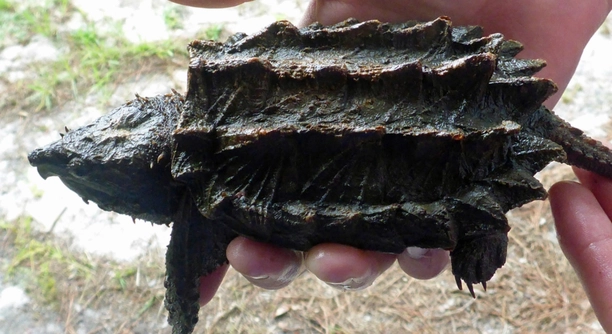
Alligator snapping turtles are unique creatures that require specific care and attention. If you notice signs of stress in your turtle, it could be due to several environmental or physical factors. Understanding the causes is important for their well-being.
Stress in alligator snapping turtles can be triggered by factors such as improper tank conditions, diet, handling, or even noise levels. Ensuring a proper habitat, temperature, and diet can help reduce stress and improve their overall health.
Recognizing and addressing these factors is key to ensuring your turtle’s happiness and health. With the right care, your alligator snapping turtle can thrive in its environment.
Tank Environment
A proper tank setup is crucial for an alligator snapping turtle’s well-being. If the tank is too small or lacks proper filtration, it can quickly become stressful for the turtle. The water should be clean and at the right temperature, which is typically between 72°F and 78°F. It’s important to also provide hiding spots and basking areas to allow the turtle to feel secure. Poor water quality, inadequate space, or improper lighting can all lead to stress and health problems over time.
A clean, spacious, and well-lit tank will make a significant difference. This gives your turtle a place to feel safe and comfortable. Regular water changes and tank maintenance are essential to creating a peaceful habitat.
An alligator snapping turtle requires a large tank with a proper filtration system to maintain water quality. If the water becomes dirty or the tank overcrowded, it can negatively affect their health. Stress from these factors may lead to a decrease in appetite or unusual behavior. Keeping the tank clean and properly maintained will help reduce the chances of your turtle feeling stressed.
Diet Issues
Diet plays a significant role in reducing stress. Alligator snapping turtles require a balanced diet that includes protein and vegetables. Overfeeding or feeding inappropriate food can cause stress or even health issues.
Offering a variety of foods, including fish, insects, and leafy greens, can help maintain a balanced diet and prevent stress from hunger or poor nutrition.
Handling and Interaction
Handling an alligator snapping turtle too often can cause stress. These turtles prefer minimal interaction and may become agitated if disturbed. It’s best to observe them from a distance rather than picking them up frequently. When you must handle them, do so gently and avoid sudden movements.
Over time, consistent, gentle handling can help your turtle feel more comfortable around you. However, avoid prolonged sessions of being held, as this can lead to stress. Allow the turtle to acclimate to its surroundings without excessive human contact. Stress from constant handling can lead to behavior changes.
The best approach is to limit handling and interactions. Only interact when necessary, such as during feeding or cleaning the tank. A calm environment with minimal disruptions will help your alligator snapping turtle feel more at ease. Keep their environment stable and quiet, and your turtle will thrive without added stress.
Noise and Vibrations
Alligator snapping turtles are sensitive to noise and vibrations in their environment. Sudden loud sounds or continuous movement around their tank can trigger stress. It’s essential to place their habitat in a quiet area, away from high-traffic zones or sources of loud noise.
This sensitivity to sound can affect their eating habits and activity levels. If a turtle feels threatened by noises or vibrations, it may hide or refuse to eat. Providing a calm and serene environment helps maintain their comfort and reduces stress. Limiting exposure to loud sounds is key to keeping your turtle relaxed.
Tank Mates
Alligator snapping turtles can become stressed when housed with incompatible tank mates. Aggressive or overly active animals can disturb their peace. It’s important to choose tank mates that are calm and won’t compete for food or space. Avoid smaller animals that might become prey.
The right tank mates should not challenge your turtle’s territory or intimidate it. Aggressive fish, other reptiles, or too many tank mates can make your turtle anxious. Monitor your turtle’s behavior and remove any animals that show signs of aggression toward it. Keep only peaceful companions to reduce stress.
Lighting and Temperature
Proper lighting and temperature are crucial to maintaining a healthy environment for your turtle. Alligator snapping turtles need UVB lighting to ensure they get enough vitamin D3, which is essential for their shell and overall health. Too much heat or too little light can cause stress.
Ensure your turtle has access to a basking spot where it can regulate its temperature. The water should be kept at a consistent temperature between 72°F and 78°F. Maintaining this balance is key to ensuring the turtle feels safe and comfortable in its tank.
FAQ
What temperature should my alligator snapping turtle’s tank be?
The water temperature in your turtle’s tank should stay between 72°F and 78°F. This range ensures your turtle remains active and healthy. If the water is too cold, your turtle may become lethargic, and if it’s too hot, it can cause stress or health problems. A reliable aquarium heater is essential for maintaining a consistent temperature. Additionally, make sure there is a basking spot with a temperature of around 85°F to 90°F, so your turtle can regulate its body heat.
How often should I clean my alligator snapping turtle’s tank?
It’s important to clean the tank regularly to keep your turtle’s environment healthy. You should change the water at least once a week, depending on the size of the tank and the number of turtles. A good rule of thumb is to perform partial water changes every few days and a full tank cleaning every 2-3 weeks. This prevents the build-up of waste, harmful bacteria, and algae, all of which can stress your turtle and lead to health problems.
What should I feed my alligator snapping turtle?
Alligator snapping turtles are omnivores, so their diet should consist of both animal and plant-based foods. You can feed them a variety of protein sources such as fish, shrimp, and earthworms. They also enjoy leafy greens, such as lettuce and dandelion greens, and occasional fruits like berries. It’s important to offer a varied diet to ensure your turtle gets the necessary nutrients. Avoid feeding them only one type of food, as it may lead to nutritional deficiencies.
How do I know if my alligator snapping turtle is stressed?
Signs of stress in an alligator snapping turtle include loss of appetite, unusual hiding behaviors, excessive basking, or a lack of movement. If your turtle is constantly retreating into its shell or staying hidden, it might be feeling stressed. You may also notice that it refuses to eat or is less active than usual. Stress can stem from environmental factors, diet issues, or handling. Addressing the source of the stress can help restore your turtle’s comfort and health.
Can I keep more than one alligator snapping turtle together?
Alligator snapping turtles are solitary creatures by nature, and keeping multiple turtles together can lead to stress and aggression. They may fight over space or food, especially if the tank is not large enough. If you want to house more than one, ensure each turtle has enough space to establish its own territory. However, in most cases, it’s best to keep them alone to avoid any conflict and to reduce stress.
Is it okay to handle my alligator snapping turtle?
Alligator snapping turtles don’t enjoy being handled too much, and frequent handling can lead to stress. They prefer to be left alone to roam and bask at their own pace. If you must handle your turtle, do so gently and only for short periods. Never grab them by their shell or tail. Instead, support their body from underneath. Always give your turtle time to acclimate to its environment and only interact when necessary, such as during feeding or tank cleaning.
What kind of tank does my alligator snapping turtle need?
Your turtle needs a spacious tank that allows it to move freely. A 75-gallon tank is the minimum for one adult alligator snapping turtle. The tank should be filled with water deep enough for your turtle to swim and dive, with a dry area for basking. A filtration system is essential to keep the water clean and free from waste. Additionally, make sure the tank is secure, as these turtles are known to escape if given the chance.
Can my alligator snapping turtle live with other species?
While alligator snapping turtles can technically live with other species, it’s not always recommended. They are solitary and territorial, especially as they mature. Aggressive species may harm them, while smaller animals may become prey. If you choose to house your turtle with others, ensure the tank is large enough and that the other species are non-aggressive and won’t compete for resources.
How can I tell if my alligator snapping turtle is healthy?
A healthy alligator snapping turtle is active, eats regularly, and swims with ease. It should have clear eyes, a smooth shell, and no visible injuries. Its appetite should be steady, and it should bask periodically to regulate its body temperature. If you notice any changes in behavior, such as not eating or unusual lethargy, it may be a sign of illness or stress. Regular checkups with a vet who specializes in reptiles are also important for monitoring your turtle’s health.
How long can my alligator snapping turtle live?
Alligator snapping turtles have a long lifespan, often living between 30 to 50 years in captivity with proper care. Some individuals have been known to live even longer. To ensure your turtle reaches its full lifespan, provide a suitable environment, a healthy diet, and routine care. Keeping your turtle stress-free and maintaining its tank properly can help prevent health problems that may shorten its life.
Final Thoughts
Caring for an alligator snapping turtle can be rewarding, but it requires attention to detail. These turtles have specific needs when it comes to their environment, diet, and overall well-being. Maintaining proper water temperature, tank size, and ensuring they are not stressed are essential for their health. While they are fascinating creatures, their solitary nature means they require space and peace to thrive. By following proper care guidelines, you can provide a healthy environment that supports your turtle’s long lifespan.
Stress can be a major issue for alligator snapping turtles, and it’s important to keep their living conditions stable. Factors such as tank mates, lighting, and even handling can all play a role in reducing or causing stress. Observing your turtle regularly and adjusting its care accordingly can help prevent many common stress-related problems. This means paying attention to their behavior, diet, and habitat conditions, ensuring they are always comfortable in their space. A stressed turtle will likely display signs such as hiding or lack of appetite, which should not be ignored.
Alligator snapping turtles are resilient creatures, but they do best when provided with a suitable environment. If you are thinking of bringing one into your home, it’s important to consider the long-term commitment and space they require. With the right care, these turtles can live for decades, offering you years of enjoyment as you watch them grow and thrive. Ensuring their health involves more than just feeding them regularly; it requires creating a well-balanced habitat that supports their natural behaviors and instincts.

Hello,
If you enjoy the content that we create, please consider saying a "Thank You!" by leaving a tip.
Every little bit helps us continue crafting quality advice that supports the health, happiness, and well-being of pets around the world, for pets of all shapes, sizes, and species.
We really appreciate the kindness and support that you show us!