
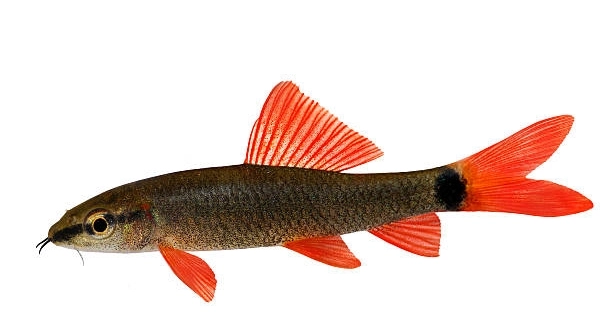
Are your Rainbow Sharks showing unusual behavior that you can’t explain? These colorful fish can sometimes act differently due to several factors. Understanding what influences their behavior can help you keep them healthy and happy.
Several environmental, dietary, and social factors can affect Rainbow Shark behavior. Water quality, tank size, diet, tank mates, stress, disease, and lighting are common causes that impact their activity levels and temperament. Monitoring these can improve their well-being.
Knowing these influences will help you create a better environment for your Rainbow Shark and prevent future problems. The following details explain the key factors behind their behavior changes.
Water Quality and Its Impact
Water quality is one of the most important factors affecting your Rainbow Shark’s behavior. Poor water conditions can cause stress, leading to sluggishness or aggression. Ammonia, nitrite, and nitrate levels should be tested regularly. Changes in pH or temperature can also disturb your fish. Keeping the tank clean by performing regular water changes and using a good filtration system helps maintain a stable environment. If the water quality is off, your Rainbow Shark might hide more often or refuse to eat. Monitoring water parameters closely and addressing any issues quickly can prevent these problems and promote healthy behavior.
Maintaining good water quality ensures your Rainbow Shark remains active and healthy. Regular testing and cleaning are key to this.
Proper water care includes testing the water weekly for harmful chemicals and maintaining consistent temperature and pH levels. Frequent water changes help remove toxins and keep your fish comfortable. Using a reliable filter also supports water clarity and oxygen levels. Avoid overcrowding the tank as this can quickly degrade water quality. Observing your Rainbow Shark’s behavior alongside water parameters can help you detect issues early. Clear, well-maintained water encourages natural activity and reduces stress-related behaviors.
Tank Size and Space Requirements
Tank size affects how your Rainbow Shark behaves. A small tank can make them stressed and aggressive.
Rainbow Sharks are active fish that need plenty of space to swim. A tank smaller than 30 gallons can cause territorial behavior and limit movement. Providing a larger tank with hiding spots reduces stress and aggression. Crowding can also lead to poor water quality, which worsens behavioral problems. Proper tank size promotes natural swimming patterns and allows your fish to explore comfortably. This simple adjustment can improve their mood and overall health.
Diet and Feeding Habits
An improper diet can cause changes in your Rainbow Shark’s behavior. Overfeeding or feeding the wrong foods often leads to health issues and stress.
Rainbow Sharks are omnivores that require a balanced diet of both plant and animal matter. Feeding them high-quality flakes, pellets, and occasional live or frozen foods supports their energy and health. Overfeeding can cause obesity and poor water quality, which affects behavior. Underfeeding may lead to lethargy and irritability. Feeding small amounts two to three times daily helps maintain consistent energy levels and reduces aggressive tendencies.
It’s important to observe how your fish reacts to different foods. Sometimes they may reject certain items or act restless when hungry. Adjusting the feeding schedule and food variety can improve their mood and overall behavior. Fresh vegetables like spinach or zucchini can also be offered occasionally for added nutrition.
Tank Mates and Social Interaction
Rainbow Sharks are territorial and may not get along with all tank mates. This often leads to aggression or hiding.
Choosing compatible tank mates is crucial for a peaceful environment. Avoid housing Rainbow Sharks with slow-moving or long-finned fish, as they may become targets. Fish that share similar size and temperament tend to coexist better. Providing plenty of hiding spaces reduces territorial disputes. Monitoring interactions closely will help you identify any problematic pairings early. Proper social setup reduces stress and promotes natural behavior in your Rainbow Shark.
Stress and Its Effects
Stress can cause your Rainbow Shark to behave unusually, such as hiding or becoming aggressive.
Common stress triggers include sudden changes in environment, loud noises, and poor water quality.
Disease and Illness
Diseases often change your Rainbow Shark’s behavior by causing lethargy, loss of appetite, or erratic swimming. Early detection and treatment are crucial to prevent worsening conditions. Regular observation helps identify symptoms like spots, discoloration, or damaged fins, which indicate health problems needing attention.
Lighting Conditions
Inconsistent or overly bright lighting can disturb your Rainbow Shark’s natural rhythms. Maintaining a regular light cycle helps reduce stress and promotes healthy behavior.
Tank Decor and Hiding Spots
Lack of hiding places can make your Rainbow Shark feel insecure, causing it to hide excessively or act nervously.
Why is my Rainbow Shark hiding all the time?
Rainbow Sharks often hide when they feel stressed or threatened. This behavior can result from poor water quality, aggressive tank mates, or insufficient hiding spots in the tank. If the tank environment is unstable or overcrowded, your fish may retreat to feel safe. Providing plenty of plants, caves, or decorations can help reduce hiding by giving them secure places to rest while also reducing stress levels.
How can I tell if my Rainbow Shark is stressed?
Signs of stress in Rainbow Sharks include unusual hiding, rapid breathing, loss of appetite, and erratic swimming. They may also display faded colors or increased aggression toward tank mates. Stress is often caused by changes in water parameters, improper tank size, or frequent disturbances. Observing your fish closely and maintaining a stable tank environment helps reduce stress and keeps your Rainbow Shark active and healthy.
What is the ideal tank size for a Rainbow Shark?
Rainbow Sharks require at least a 30-gallon tank due to their active swimming habits and territorial nature. Larger tanks reduce aggression and allow more space for swimming and hiding. Smaller tanks can increase stress and cause territorial fights. Providing sufficient room supports natural behaviors and overall well-being.
Can Rainbow Sharks live with other fish?
Rainbow Sharks can coexist with other fish if tank mates are chosen carefully. Avoid slow-moving or long-finned species, as these may be harassed. Suitable companions include fast-swimming, similarly sized fish that can hold their own. Ensuring enough space and hiding spots reduces territorial conflicts.
How often should I feed my Rainbow Shark?
Feeding two to three times daily in small amounts is best for Rainbow Sharks. Overfeeding can pollute the water and cause health problems, while underfeeding leads to lethargy and irritability. Offer a balanced diet of flakes, pellets, and occasional live or frozen foods to keep them energetic and healthy.
What types of food are best for Rainbow Sharks?
Rainbow Sharks are omnivores and thrive on a diet including quality flakes, sinking pellets, and protein sources like bloodworms or brine shrimp. Supplementing with fresh vegetables such as zucchini or spinach occasionally provides essential nutrients. Variety in their diet encourages natural foraging behavior and supports overall health.
How important is water quality for my Rainbow Shark?
Water quality is critical for Rainbow Shark health and behavior. High ammonia, nitrite, or nitrate levels can cause stress, illness, and unusual behavior. Regular testing, water changes, and a reliable filtration system help maintain clean, stable water. Consistent temperature and pH levels are equally important.
Why is my Rainbow Shark acting aggressive?
Aggression in Rainbow Sharks usually stems from territorial instincts, especially in cramped tanks or with incompatible tank mates. Stress, poor water quality, and lack of hiding places can worsen aggressive behavior. Increasing tank size, providing ample hiding spots, and choosing peaceful companions can reduce aggression.
What diseases commonly affect Rainbow Sharks?
Common diseases include ich, fin rot, and fungal infections. Symptoms are spots on the body, torn fins, discoloration, or sluggishness. Early detection and treatment with appropriate medications improve recovery chances. Maintaining good water quality and minimizing stress help prevent disease outbreaks.
How does lighting affect my Rainbow Shark’s behavior?
Lighting influences their natural activity cycles. Too bright or inconsistent lighting can stress Rainbow Sharks, causing them to hide or become inactive. A regular day-night cycle with moderate light intensity supports healthy behavior and helps regulate their internal rhythms.
Do Rainbow Sharks need hiding spots?
Yes, hiding spots are essential for Rainbow Sharks to feel secure. Caves, plants, and decorations provide refuge from perceived threats and reduce stress. Without adequate cover, your fish may become nervous or overly aggressive, negatively impacting their well-being.
How can I reduce stress in my Rainbow Shark?
Reducing stress involves stable water conditions, proper tank size, compatible tank mates, and sufficient hiding places. Avoid sudden changes in temperature or lighting and limit loud noises or vibrations near the tank. Regular observation allows you to address issues before stress affects behavior.
Is it normal for Rainbow Sharks to change color?
Color changes can indicate stress, illness, or poor water quality. Fading or dullness may signal a problem, while vibrant colors usually reflect good health. Checking water parameters and observing for other symptoms will help determine if action is needed.
What should I do if my Rainbow Shark stops eating?
Loss of appetite often signals stress, illness, or poor water conditions. Verify water quality, observe for signs of disease, and check for aggressive tank mates causing stress. Offering a variety of foods and maintaining stable conditions usually helps restore appetite.
How often should I clean my Rainbow Shark’s tank?
Perform partial water changes of 20-30% weekly to keep water quality high. Clean substrate and decorations regularly but avoid disturbing beneficial bacteria. Consistent maintenance prevents toxic buildup and supports a healthy environment.
Understanding the behavior of your Rainbow Shark is essential for keeping it healthy and happy. Many factors can influence how your fish acts, including water quality, tank size, diet, tank mates, and stress. Each of these elements plays a role in creating an environment where your Rainbow Shark can thrive. Paying close attention to these aspects helps you notice any changes early and take steps to improve their conditions. When the environment is right, your Rainbow Shark is more likely to show natural and calm behavior.
Maintaining a clean tank with stable water parameters is one of the most important steps in caring for your Rainbow Shark. Regular water testing and partial water changes help keep harmful chemicals low and oxygen levels high. Providing enough space in the tank allows your fish to swim freely and reduces territorial fights. Feeding a balanced diet and choosing compatible tank mates also support your fish’s well-being. These small but consistent efforts help prevent stress and illness, which are common reasons for behavioral problems.
It is normal for Rainbow Sharks to show some changes in behavior from time to time, but ongoing or sudden shifts should be looked into. Stress, illness, and poor living conditions can all cause issues, so early observation and care are important. By understanding what affects your Rainbow Shark’s behavior, you can make better choices in tank setup and daily care. This knowledge helps create a comfortable environment that encourages healthy behavior and a longer life for your fish.

Hello,
If you enjoy the content that we create, please consider saying a "Thank You!" by leaving a tip.
Every little bit helps us continue crafting quality advice that supports the health, happiness, and well-being of pets around the world, for pets of all shapes, sizes, and species.
We really appreciate the kindness and support that you show us!