
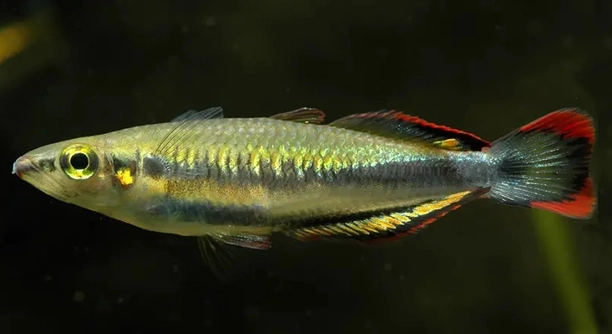
Rainbowfish are colorful and lively additions to home aquariums, but new owners often notice behaviors that seem puzzling. Observing their interactions, movements, and responses can sometimes feel confusing for those unfamiliar with these active fish.
Several factors contribute to confusion among new rainbowfish owners, including unfamiliarity with their feeding habits, territorial behavior, schooling instincts, water parameter sensitivity, reactions to tank mates, changes in lighting, and occasional stress responses. Understanding these factors helps ensure proper care and a stable environment.
Learning about these common issues will make caring for rainbowfish easier and more rewarding, creating a healthier and more harmonious aquarium environment.
Adjusting to a New Tank
Moving to a new aquarium can be overwhelming for rainbowfish. The unfamiliar environment, different water parameters, and new tank mates can cause stress and unusual behavior. Many new owners notice their fish hiding, staying near the bottom, or refusing food at first. This adjustment period is normal, and with stable water conditions, proper lighting, and minimal disturbances, rainbowfish gradually become more confident. Providing plants or decorations for hiding spots helps them feel secure. It’s important to avoid sudden changes, like moving ornaments or rearranging the tank, during these first days. Temperature stability and proper filtration are key to reducing stress. Observing their behavior quietly rather than immediately trying to interact allows them to adapt at their own pace. Over time, their natural colors and active swimming patterns will reappear. Patience and consistency are the most effective tools in helping rainbowfish settle into their new environment without unnecessary stress or health issues.
Rainbowfish need at least a week to fully acclimate and show their true behavior in a new tank.
Maintaining consistent feeding schedules and monitoring water quality are essential during this period. Feeding small portions multiple times a day encourages them to eat. Testing ammonia, nitrite, and nitrate levels ensures safe water. Gentle aeration and avoiding overcrowding also help. Over time, they will start swimming more actively and interacting with tank mates, reflecting a return to normal behavior. Observing these gradual changes confirms that your rainbowfish are adjusting well.
Feeding Habits
Rainbowfish may be picky or inconsistent when introduced to new foods. They often prefer live or frozen options but can adapt to high-quality flakes or pellets.
Offering a varied diet supports growth, coloration, and overall health. Feeding too much at once can cause water quality problems and digestive issues.
It’s helpful to feed in small amounts and remove uneaten food promptly. Overfeeding can lead to obesity or illness. Experimenting with different textures, like flakes, pellets, and occasional frozen brine shrimp or daphnia, encourages natural foraging behavior. Some rainbowfish may take time to accept prepared foods, but consistency and patience usually result in them eating reliably. Observing how each fish responds to certain foods also provides insight into their preferences and dietary needs. A balanced diet ensures vibrant colors, active swimming, and reduced stress. Providing proper nutrition helps prevent common issues such as sluggishness or loss of appetite, supporting a healthier, more resilient aquarium community.
Schooling Behavior
Rainbowfish naturally swim in groups and feel safer with others of their kind. Alone, they may become skittish or hide frequently, which can be confusing for new owners.
Maintaining a small group of at least six rainbowfish helps reduce stress and encourages natural behavior. In a group, they display synchronized swimming, explore the tank more confidently, and interact with each other in ways that are essential for their mental and physical well-being. Observing them in a group provides insight into their personalities and social hierarchy, which can change over time.
Aggression within the school is usually mild and temporary. Minor chasing or displays help establish dominance without causing harm. Ensuring the tank is spacious enough with hiding spots prevents conflict. Introducing new rainbowfish gradually and monitoring their integration reduces stress. Proper schooling allows them to feel secure, thrive in their environment, and display vibrant colors, reflecting good health and comfort in the tank.
Water Parameters
Rainbowfish are sensitive to water quality, and fluctuations can affect their behavior, appetite, and coloration. Maintaining stable temperature, pH, and hardness is essential.
Regular water testing helps detect changes early. Ideal temperatures range from 74–78°F, with a slightly alkaline pH around 7.0–8.0. Sudden changes in these parameters can lead to stress, illness, or hiding behavior. Consistent filtration and partial water changes prevent the buildup of toxins.
Using a reliable thermometer and test kits ensures that water conditions remain within a safe range. Adjustments should be made gradually to avoid shocking the fish. Proper aeration supports oxygen levels, especially in densely planted tanks. Monitoring nitrate and ammonia levels is critical to avoid long-term health issues. Understanding the specific water needs of rainbowfish contributes to a stable, healthy environment where they can display natural colors and behavior. Regular observation combined with consistent maintenance creates a thriving tank ecosystem.
Tank Mates
Rainbowfish interact best with peaceful species of similar size. Aggressive or territorial fish can stress them and trigger hiding or erratic swimming.
Introducing compatible tank mates gradually reduces conflicts. Observing interactions helps identify potential issues early and maintain a calm environment.
Lighting Changes
Sudden changes in lighting can startle rainbowfish, causing them to hide or swim erratically. Gradual adjustments help them acclimate without stress.
Consistent day-night cycles support natural behavior and coloration. Avoid turning lights on or off abruptly, and use a timer to maintain a stable schedule.
Stress Responses
Rainbowfish show stress through color dulling, erratic swimming, or hiding. Environmental factors like overcrowding, poor water quality, or sudden changes often trigger these behaviors.
Reducing stress requires stable water parameters, proper tank mates, and providing hiding spaces. Observing their responses over time helps identify issues and improve their overall well-being.
FAQ
Why are my rainbowfish hiding all the time?
Rainbowfish hide when they feel unsafe or stressed. Common causes include sudden changes in water parameters, bright lighting, overcrowding, or aggressive tank mates. Providing plants, rocks, or decorations gives them places to feel secure. Maintaining stable temperature, pH, and hardness reduces stress and encourages them to swim openly over time.
How often should I feed my rainbowfish?
Rainbowfish thrive on small, frequent feedings. Offering food two to three times a day in amounts they can consume within a few minutes prevents overfeeding and maintains water quality. A varied diet of flakes, pellets, and occasional live or frozen foods supports growth, coloration, and overall health. Removing uneaten food promptly avoids water contamination and digestive issues.
Why are my rainbowfish not eating?
Refusal to eat is often linked to stress, illness, or unfamiliar food. New fish may take time to adjust to their environment or diet. Ensuring stable water parameters, reducing disturbances, and offering preferred foods such as live or frozen options helps encourage feeding. Observing them closely can identify whether health concerns or tank conditions are affecting appetite.
What is the ideal tank size for rainbowfish?
A minimum of 30 gallons is recommended for smaller species, while larger species benefit from 50 gallons or more. Adequate space supports schooling behavior, reduces aggression, and allows for active swimming. Overcrowding leads to stress, color dulling, and health issues. Including plants, decorations, and open swimming areas creates a balanced environment.
Can rainbowfish live with other fish?
Yes, but choosing peaceful tank mates is crucial. Avoid aggressive or territorial species. Compatible companions include tetras, gouramis, and other non-aggressive community fish. Introducing new fish slowly and observing interactions helps prevent stress. A spacious tank with hiding spots minimizes conflict and supports natural behavior for all species.
Why are my rainbowfish changing color?
Color changes can indicate stress, illness, or adaptation to their environment. Dull or faded colors often appear due to poor water quality, sudden temperature shifts, or aggressive tank mates. Vibrant coloration returns when conditions stabilize, stress is reduced, and proper nutrition is provided consistently.
How do I encourage schooling behavior?
Rainbowfish feel safest in groups of six or more. Observing their interactions helps you understand social hierarchy and natural behaviors. Providing ample swimming space, consistent feeding, and minimal disturbances fosters active schooling. Avoid keeping a single rainbowfish, as isolation increases stress and reduces natural activity.
How do I prevent stress in rainbowfish?
Stress prevention involves maintaining stable water parameters, proper tank size, compatible tank mates, and regular feeding routines. Providing hiding spots, consistent lighting cycles, and avoiding sudden changes in the tank environment helps them remain comfortable. Monitoring behavior and addressing any unusual signs promptly supports long-term health.
Why are my rainbowfish swimming erratically?
Erratic swimming is often a response to stress, poor water quality, or illness. Check ammonia, nitrite, and nitrate levels, and ensure the temperature and pH are stable. Reducing disturbances and observing interactions with tank mates can help identify and correct the source of stress.
How often should I clean the tank?
Partial water changes of 20–30% weekly are ideal for maintaining water quality. Cleaning the substrate, removing uneaten food, and checking the filter ensures a healthy environment. Avoid over-cleaning, which can disrupt beneficial bacteria. Consistent maintenance keeps rainbowfish healthy and reduces stress.
Can rainbowfish breed in a home aquarium?
Rainbowfish can breed if provided with optimal conditions, including clean, stable water, a suitable tank size, and proper nutrition. Spawning often requires fine-leaved plants or spawning mops. Eggs should be protected from adults, and fry need appropriate small foods to ensure survival and healthy growth.
Why do my rainbowfish hide when I approach the tank?
Rainbowfish are naturally cautious and may interpret sudden movements as threats. Approaching slowly and calmly reduces fear. Over time, consistent, non-threatening interaction helps them become more comfortable with your presence while retaining their natural instincts.
Are rainbowfish sensitive to temperature changes?
Yes, rainbowfish prefer stable temperatures between 74–78°F. Sudden drops or spikes can cause stress, illness, or erratic behavior. Using a reliable heater, thermometer, and gradual water adjustments ensures a stable environment and supports their health and coloration.
How do I know if my rainbowfish are healthy?
Healthy rainbowfish display vibrant colors, active swimming, and consistent eating habits. Clear eyes, intact fins, and normal respiration indicate good health. Changes in behavior, color, or appetite signal potential issues that should be addressed by checking water parameters and observing for illness.
Can I keep rainbowfish in a planted tank?
Yes, planted tanks offer hiding spots and improve water quality. Choose hardy plants that tolerate their activity level. Proper lighting and spacing prevent overcrowding, and decorations should allow open swimming areas. A balanced planted tank supports natural behavior and reduces stress.
What should I do if my rainbowfish appear sick?
Isolate affected fish if necessary, check water parameters, and observe for specific symptoms. Treating with appropriate medications and maintaining optimal tank conditions improves recovery. Early detection and intervention increase the chances of restoring health and preventing illness from spreading to other fish.
How long do rainbowfish live?
Rainbowfish typically live 5–8 years with proper care, though some species can live longer. Consistent water quality, nutrition, and a stress-free environment extend lifespan. Regular monitoring of behavior, appearance, and tank conditions supports long-term health and vitality.
How can I encourage vibrant colors in my rainbowfish?
Vibrant colors result from proper diet, stable water parameters, and low-stress conditions. Feeding high-quality, varied foods and providing a safe environment encourages natural coloration. Stress reduction, schooling behavior, and healthy tank mates also enhance their visual appeal, making them more striking in the aquarium.
What signs indicate overcrowding?
Overcrowding causes aggression, hiding, stress, and stunted growth. Excessive competition for food and territory reduces health. Monitor swimming behavior, color, and social interactions. Adjusting tank population or upgrading tank size helps maintain a balanced environment conducive to healthy, active rainbowfish.
Are rainbowfish compatible with coldwater species?
Rainbowfish prefer tropical temperatures, making them incompatible with coldwater species. Mixing species with significantly different temperature requirements can lead to stress, illness, or death. Maintaining a consistent tropical environment ensures the health and well-being of all aquarium inhabitants.
How do I introduce new rainbowfish to an established tank?
Acclimate new fish slowly using drip acclimation or floating in the tank to equalize temperature and water parameters. Introduce them gradually to reduce stress and prevent aggression. Monitoring behavior during the first days ensures a smooth integration and helps maintain a harmonious tank environment.
Why do rainbowfish sometimes leap out of the tank?
Rainbowfish are active swimmers and may jump when startled or stressed. A secure lid and calm environment prevent accidental escapes. Avoid sudden movements, bright lights, or loud noises near the tank. Providing enough swimming space and hiding spots reduces the likelihood of jumping incidents.
Can rainbowfish tolerate slightly brackish water?
Some rainbowfish species tolerate low levels of salinity, but most thrive in freshwater conditions. Sudden changes in salinity can stress the fish and impact health. Researching the specific species’ tolerance and maintaining stable freshwater conditions ensures their well-being and longevity.
How do I prevent aggression in rainbowfish?
Aggression is minimized by keeping sufficient numbers, providing space, and selecting compatible tank mates. Adding plants, hiding spots, and open swimming areas reduces territorial disputes. Monitoring interactions and addressing early signs of aggression maintains a peaceful environment where all fish can thrive.
What is the best way to quarantine new rainbowfish?
Quarantine new fish for at least two weeks in a separate tank. Monitor for illness, parasites, or unusual behavior before introducing them to the main tank. This prevents the spread of disease and allows careful observation of feeding habits, coloration, and general health.
Why are my rainbowfish staying at the surface?
Surface swimming can indicate low oxygen levels, poor water quality, or stress. Increasing aeration, checking temperature, and ensuring proper filtration helps maintain oxygen levels. Observing behavior and addressing water quality issues prevents health problems and promotes normal swimming throughout the tank.
How do I encourage breeding in rainbowfish?
Provide clean, stable water, nutritious food, and suitable spawning areas. Fine-leaved plants or spawning mops help protect eggs. Maintaining proper temperature, pH, and minimal stress supports reproductive behavior. Monitoring eggs and fry ensures successful hatching and healthy development of the young fish.
Are rainbowfish sensitive to pH changes?
Yes, they prefer slightly alkaline conditions around 7.0–8.0. Sudden pH shifts cause stress, color fading, and illness. Gradual adjustments and regular monitoring maintain a stable environment, supporting healthy behavior, proper feeding, and overall well-being.
How do I recognize common diseases in rainbowfish?
Look for faded colors, clamped fins, white spots, labored breathing, or erratic swimming. Early identification and treatment with appropriate medications prevent serious illness. Maintaining clean water, proper diet, and observing behavior regularly reduces disease risks.
Can rainbowfish live with shrimp or snails?
Yes, small invertebrates like shrimp and snails are usually compatible. Avoid species that may harm them or compete aggressively for food. Proper tank size and hiding spots for invertebrates prevent stress, allowing both rainbowfish and invertebrates to coexist peacefully.
How do I handle sudden water parameter changes?
Introduce changes gradually to prevent stress or shock. Adjust temperature, pH, and hardness in small increments over several hours or days. Monitoring behavior during adjustments helps detect stress early and allows corrective action before serious health problems occur.
Why are my rainbowfish losing color at night?
Color fading at night is normal due to reduced activity and lighting. Stress, illness, or poor water conditions can also cause persistent dulling. Observing daily behavior and maintaining stable, appropriate conditions ensures vibrant coloration during active periods.
What is the best substrate for rainbowfish?
Fine gravel or sand works best, allowing easy cleaning and plant growth. Avoid sharp or rough substrates that can injure fins. A suitable substrate supports natural foraging, provides comfort, and helps maintain overall tank hygiene.
How do I reduce jumping in a new tank?
Provide a secure lid, gradual acclimation, and hiding spots. Avoid sudden movements, bright lighting, and excessive disturbances. Observing their behavior and ensuring adequate swimming space prevents accidental jumps, keeping rainbowfish safe and comfortable in their environment.
Can rainbowfish tolerate soft water?
Some species tolerate soft water, but stable conditions are essential. Rapid changes in hardness or pH can stress them. Research the specific species’ requirements and adjust water gradually to maintain a healthy and stress-free environment.
How long should I observe new rainbowfish before full integration?
Observe for at least one to two weeks. Watch for stress signs, feeding behavior, and interactions with existing fish. Gradual introduction ensures smooth integration, reduces aggression, and supports a harmonious tank ecosystem for all inhabitants.
Why are my rainbowfish chasing each other?
Mild chasing is normal for establishing hierarchy and territory. Ensure enough space and hiding spots to prevent stress. Continuous aggressive behavior may indicate overcrowding, incompatible tank mates, or stress that needs to be addressed.
How can I encourage natural swimming patterns?
Provide open areas, proper schooling groups, and hiding spots. Maintaining stable water conditions and a calm environment supports normal activity. Observing their behavior regularly ensures that they are comfortable, active, and displaying natural swimming patterns throughout the tank.
What signs show rainbowfish are comfortable in their tank?
Active swimming, bright colors, consistent feeding, and interaction with tank mates indicate comfort. They explore their environment confidently and display natural schooling behavior. Observing these positive signs confirms a healthy and stable aquarium environment where rainbowfish thrive.
How do I maintain a balanced diet for rainbowfish?
Feed a variety of flakes, pellets, and occasional live or frozen foods. Small, frequent feedings prevent overfeeding and support health. Observing preferences helps tailor nutrition, enhancing coloration, growth, and overall well-being in a consistent, low-stress environment.
Why are my rainbowfish hiding during the day?
Daytime hiding often signals stress, aggressive tank mates, or insufficient hiding spots. Providing decorations, plants, and proper water conditions encourages activity and reduces fear-related behavior.
Can rainbowfish live in a nano tank?
Small species may tolerate nano tanks, but limited space increases stress and reduces schooling behavior. Adequate swimming area and proper maintenance are critical for health and natural behavior.
How do I know if the tank is too bright for rainbowfish?
Fading colors, hiding, or erratic swimming indicate excessive lighting. Adjust brightness gradually and provide shaded areas to create a comfortable environment.
Why do rainbowfish sometimes gasp at the surface?
Gasping can indicate low oxygen, high ammonia, or poor water circulation. Improving aeration, filtration, and water quality ensures sufficient oxygen and prevents health problems.
How do I prevent fin damage in rainbowfish?
Provide smooth decorations, compatible tank mates, and sufficient swimming space. Regular observation prevents injuries and ensures healthy fins for natural behavior and appearance.
Can rainbowfish live with bettas?
Bettas may show aggression toward rainbowfish. Compatibility depends on temperament, tank size, and hiding spots. Careful monitoring is essential to prevent stress or injury.
Why are my rainbowfish staying near the filter?
They may seek oxygen-rich areas or feel stressed. Check water quality, flow rate, and tank conditions. Adjusting flow or providing calmer zones encourages normal swimming behavior.
How do I acclimate rainbowfish properly?
Float the bag in the tank to equalize temperature, then gradually mix tank water over one to two hours. Slow acclimation reduces stress and promotes successful integration.
Are rainbowfish sensitive to noise?
Excessive vibrations or loud noises can stress them. Keeping the tank in a quiet, stable environment supports comfort, normal behavior, and overall health.
How do I recognize signs of aging in rainbowfish?
Older fish may swim slower, display duller colors, and eat less. Maintaining good water quality and nutrition supports longevity and comfort in their later years.
Can rainbowfish tolerate tap water?
Tap water must be treated to remove chlorine, chloramine, and heavy metals. Conditioning ensures safe, healthy water and prevents stress or illness.
Why are my rainbowfish suddenly hiding after being active?
Environmental changes, illness, or aggressive tank mates may trigger hiding. Monitoring conditions and behavior helps identify and address the cause promptly.
How do I prevent color fading during winter?
Maintain consistent temperature, feeding, and lighting. Stress reduction and proper nutrition ensure vibrant coloration year-round, even during seasonal changes.
Are rainbowfish suitable for beginners?
Yes, with proper research on water parameters, diet, tank mates, and maintenance, rainbowfish can thrive in a home aquarium and display natural behavior consistently.
How often should I check water parameters?
Weekly testing of ammonia, nitrite, nitrate, pH, and temperature ensures stable conditions. Early detection of changes prevents stress, illness, and behavioral issues.
What is the best way to handle rainbowfish safely?
Minimize handling whenever possible. Use a soft net for necessary transfers, and avoid squeezing or sudden movements. Gentle handling reduces stress and prevents injury.
Can rainbowfish live with goldfish?
Goldfish and rainbowfish have different temperature and water requirements, making them incompatible. Mixing these species may cause stress or health problems.
How do I know if my rainbowfish are stressed?
Signs include hiding, faded colors, clamped fins, erratic swimming, or refusal to eat. Addressing water quality, tank mates, and environmental factors reduces stress and supports recovery.
Why do rainbowfish sometimes swim rapidly in circles?
Rapid, circular swimming often indicates stress, irritation, or water quality issues. Observing behavior and checking tank conditions helps identify and correct the cause.
How do I provide hiding spots for rainbowfish?
Use plants, rocks, driftwood, or decorations to create safe areas. Hiding spots reduce stress, support natural behavior, and help rainbowfish feel secure in their environment.
Can rainbowfish adapt to different water hardness?
They tolerate some variation, but sudden changes can cause stress. Gradual adjustments and stable water parameters maintain comfort, health, and vibrant coloration.
What is the best temperature for breeding rainbowfish?
A stable range of 76–78°F supports spawning. Maintaining consistent parameters, low stress, and suitable spawning areas encourages reproductive behavior and successful egg development.
How long does it take for rainbowfish to settle in a new tank?
Acclimation typically takes one to two weeks. Observing behavior, feeding, and interactions ensures they adjust properly before full integration into the main tank.
Why are my rainbowfish staying at the bottom?
Bottom-dwelling may indicate stress, poor water quality, or aggressive tank mates. Providing hiding spots, monitoring water parameters, and reducing disturbances encourages normal swimming throughout the tank.
Can rainbowfish tolerate low light conditions?
They can adapt, but low light may reduce activity and color vibrancy. Providing moderate lighting and shaded areas creates a comfortable environment.
How do I prevent disease in rainbowfish?
Maintain clean water, stable parameters, proper diet, and compatible tank mates. Quarantining new fish and observing behavior regularly reduces the risk of illness and supports long-term health.
Why are my rainbowfish clustering in one area?
Clustering may indicate stress, low oxygen, or territorial behavior. Ensuring proper aeration, space, and hiding spots encourages natural swimming patterns.
How do I safely introduce plants with rainbowfish?
Choose hardy species, rinse thoroughly, and plant securely to prevent uprooting. Adequate spacing allows swimming while providing cover and enrichment.
Can rainbowfish tolerate slightly cooler water?
Some species tolerate minor drops, but prolonged exposure to low temperatures causes stress and illness. Maintaining tropical conditions ensures health and natural behavior.
How do I know if rainbowfish are happy in the tank?
Active swimming, schooling, vibrant colors, and regular feeding indicate comfort. Observing these behaviors confirms a stable, stress-free environment conducive to thriving rainbowfish.
Why do rainbowfish sometimes dart suddenly?
Sudden movements are natural startle responses or reactions to perceived threats. Minimizing disturbances and maintaining a calm environment reduces these episodes.
Can rainbowfish live with cichlids?
Aggressive cichlids may stress or harm rainbowfish. Compatibility depends on species temperament, tank size, and hiding spots. Careful monitoring is necessary to prevent injury or stress.
How often should I clean decorations and substrate?
Clean once a month or as needed to remove debris without disturbing beneficial bacteria. Regular maintenance supports water quality and overall tank health.
Why do rainbowfish sometimes rub against objects?
Rubbing can indicate parasites, irritation, or natural cleaning
Rainbowfish are lively and colorful fish that bring energy and beauty to a home aquarium. Their behavior can sometimes seem confusing, especially for those who are new to caring for them. They may hide, refuse food, dart around the tank, or show changes in color, and these behaviors often reflect their adjustment to a new environment or stress from water conditions, tank mates, or lighting. Observing them carefully and understanding the reasons behind their actions can make it easier to create a stable and comfortable environment. Providing hiding spots, consistent water parameters, and proper nutrition are essential to helping rainbowfish feel secure and display their natural colors and behaviors over time.
Maintaining a healthy aquarium for rainbowfish requires attention to several key factors. Water quality is one of the most important, with stable temperature, pH, and hardness supporting both physical health and behavioral comfort. Feeding them a balanced diet with varied food types ensures proper growth and enhances their coloration. Social needs are also crucial, as rainbowfish thrive in schools and benefit from interactions with compatible tank mates. Overcrowding or aggressive companions can lead to stress, hiding, or erratic behavior, so monitoring their environment and making adjustments as needed is important. Gradual changes, careful observation, and patience are often more effective than sudden interventions when trying to address any unusual behavior.
Ultimately, rainbowfish are adaptable but sensitive fish that respond to their environment, care, and social dynamics. Understanding their natural habits, from schooling behavior to preferred water conditions, allows owners to create a harmonious tank where the fish can thrive. Observing their behavior and making small adjustments when necessary helps maintain their health and reduces stress. With proper care, these fish not only survive but flourish, showing vibrant colors and lively swimming patterns that enhance any aquarium. Paying attention to feeding routines, tank maintenance, and social compatibility ensures that rainbowfish remain active, healthy, and comfortable in their home. Over time, owners learn to anticipate their needs and appreciate the subtle behaviors that indicate well-being, making the experience of keeping rainbowfish both rewarding and educational.

Hello,
If you enjoy the content that we create, please consider saying a "Thank You!" by leaving a tip.
Every little bit helps us continue crafting quality advice that supports the health, happiness, and well-being of pets around the world, for pets of all shapes, sizes, and species.
We really appreciate the kindness and support that you show us!