
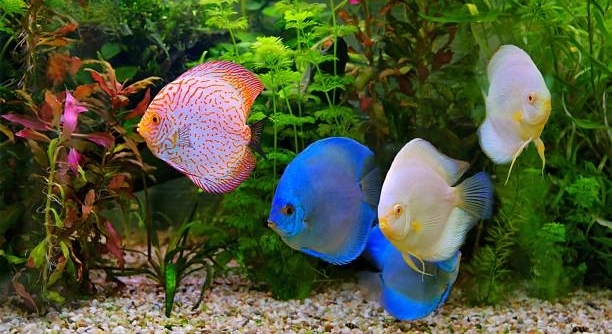
Discus fish are popular aquarium pets known for their bright colors and graceful movements. However, they can easily become confused by changes or conditions in their tank environment. Understanding what affects their behavior can improve their well-being.
Several common factors cause confusion in discus fish, including sudden changes in water temperature, poor water quality, improper tank mates, inconsistent lighting, lack of hiding places, overcrowding, and irregular feeding schedules. These factors disrupt their natural behavior and stress the fish.
Recognizing these issues helps maintain a healthy tank and ensures discus fish remain calm and active in their environment.
Sudden Changes in Water Temperature
Discus fish are very sensitive to temperature fluctuations. Even small changes can confuse them and cause stress. If the water temperature shifts quickly, their metabolism can be affected, and they may stop eating or hide more than usual. It is important to keep the temperature stable between 82°F and 86°F (28°C to 30°C). Using a reliable heater and thermometer can help maintain this balance. Sudden drops or rises should be avoided to prevent shock or illness. Consistent monitoring is key to keeping discus fish comfortable. Rapid temperature changes can also weaken their immune systems, making them vulnerable to disease. A steady environment supports their natural behavior and health.
Temperature fluctuations often occur when adding new water or due to faulty equipment. Preventing this ensures discus fish remain calm and active, reducing stress-related problems.
Keeping the tank’s temperature steady helps discus fish thrive. Avoid sudden shifts by regularly checking equipment and gradually adjusting water during changes.
Poor Water Quality
Poor water quality confuses discus fish and leads to health issues. Waste buildup, leftover food, and decaying plants cause ammonia and nitrite levels to rise. These toxins irritate the fish’s gills and skin, making them uncomfortable. Regular water changes and good filtration are essential. Testing water parameters weekly ensures the environment stays safe. Ideal water should have a pH between 6.0 and 7.0 and low hardness. Using a water conditioner removes chlorine and chloramine from tap water, preventing harm. Clean tanks reduce stress and support discus fish’s vibrant colors and natural behavior.
Filtration helps remove waste and toxins but must be appropriate for the tank size. Over-filtering can cause strong currents, which discus fish dislike. Balance is important.
Proper water maintenance keeps discus fish healthy and reduces confusion. Clear, clean water creates a stable environment where they feel secure and display normal behavior. This care prevents common diseases and promotes longevity. Regular cleaning and monitoring keep water quality optimal, avoiding toxic buildup that disrupts discus fish well-being. Maintaining stable water chemistry is key to preventing stress and encouraging growth. A clean, stable tank helps discus fish maintain their bright appearance and active nature.
Improper Tank Mates
Discus fish are peaceful and do not tolerate aggressive or overly active tank mates well. Conflicts or constant chasing cause confusion and stress, leading to hiding or loss of appetite. Suitable companions include calm species like tetras or corydoras catfish. Avoid fin-nippers or larger fish that compete aggressively for food or territory. Introducing compatible fish reduces stress and allows discus to show natural behavior.
Compatibility improves tank harmony. Choose species with similar water needs and temperaments.
Selecting the right tank mates supports discus fish well-being. Aggressive or fast-moving species disrupt their environment and cause anxiety. A balanced community encourages healthy social behavior and reduces stress-related problems. Discus fish need peaceful neighbors to thrive, avoiding bullying or competition that harms their health. Proper pairing promotes a calm atmosphere where all fish coexist without confusion or fear. Careful consideration of fish species helps maintain stability and comfort in the tank.
Inconsistent Lighting
Inconsistent lighting confuses discus fish and affects their daily rhythm. Sudden changes in light or prolonged darkness disrupt their activity and stress them out. Keeping a regular lighting schedule mimics natural conditions.
Discus fish respond best to a stable day-night cycle, usually 10 to 12 hours of light daily. Too much light can cause stress, while too little reduces their activity and feeding. Using a timer helps maintain consistency without manual adjustments. Gradual light changes, like dimming in the evening, can reduce shock and create a calmer environment. Harsh or flickering lights cause discomfort and hide behavior changes.
Proper lighting supports discus fish’s natural behavior and health. It influences their feeding, breeding, and resting patterns. Stable lighting reduces stress, helping them stay active and display their best colors.
Lack of Hiding Places
Discus fish feel safer when they have places to hide. Without sufficient cover, they become anxious and less likely to explore or feed properly. Providing hiding spots reduces confusion and promotes natural behavior.
Plants, driftwood, and aquarium decorations create shelter and break up the open space. Live plants also improve water quality, benefiting fish health. Arranging these items to offer shaded areas helps discus fish retreat when stressed or during rest. Avoid overcrowding, as it can limit swimming space. Well-planned hiding spots reduce stress and aggression between tank mates. Fish use these areas to establish territories and feel secure, which encourages normal activity.
Adding hiding places replicates their natural habitat and supports mental well-being. It also lowers aggression and improves overall tank harmony. A secure environment is essential for healthy discus fish behavior.
Overcrowding
Overcrowding causes stress and confusion in discus fish. Too many fish in one tank reduce swimming space and increase competition for food and oxygen.
Limited space leads to poor water quality and aggressive behavior. Keeping the tank population balanced ensures discus fish remain calm and healthy.
Irregular Feeding Schedules
Feeding discus fish inconsistently disrupts their routine and can confuse them. Regular feeding times help maintain their natural habits and reduce stress.
Discus fish do best when fed small amounts two to three times daily. Uneven feeding can lead to overfeeding or hunger, both harmful to their health. A consistent schedule supports digestion and activity levels.
Aggressive Behavior in Tank Mates
Aggressive tank mates can intimidate discus fish and cause anxiety. Avoid pairing them with species that show aggressive or territorial behavior.
Aggression disturbs the peace and can result in injuries or stress-related illnesses. Keeping peaceful companions improves discus fish well-being and tank harmony.
FAQ
Why do discus fish hide all the time?
Discus fish often hide when they feel stressed or insecure. Common reasons include poor water quality, sudden changes in environment, or aggressive tank mates. Hiding is a natural defense mechanism that helps them feel safe. Providing enough hiding spots and keeping water stable reduces this behavior.
How often should I change water in a discus tank?
Frequent water changes are essential for discus fish health. Changing 25% to 50% of the water weekly maintains cleanliness and reduces harmful chemicals like ammonia and nitrites. Regular testing helps determine if more frequent changes are needed to keep water parameters ideal.
Can discus fish live with other species?
Yes, but only with peaceful species that thrive in similar water conditions. Suitable tank mates include small tetras, corydoras, and certain dwarf cichlids. Avoid aggressive or overly active fish that can stress discus or compete for food.
What is the best water temperature for discus fish?
Discus fish thrive in warm water, ideally between 82°F and 86°F (28°C to 30°C). Maintaining a stable temperature within this range supports their immune system and natural behavior.
Why is my discus fish losing color?
Color fading can result from stress, poor water quality, illness, or improper diet. Ensuring stable water parameters, a balanced diet, and low-stress environment helps discus maintain vibrant colors.
How much should I feed my discus fish?
Feed small amounts two to three times daily. Overfeeding pollutes the water and causes health problems, while underfeeding weakens the fish. Provide high-quality, varied food to meet their nutritional needs.
What causes discus fish to refuse food?
Refusal to eat often signals stress, illness, or poor water conditions. Temperature changes, new tank mates, or dirty water can lead to loss of appetite. Checking water quality and reducing stress usually helps restore normal feeding.
How can I tell if my discus fish is healthy?
Healthy discus fish swim actively, have clear eyes, bright colors, and smooth fins. They eat regularly and show no signs of distress like rapid breathing or clamped fins.
Is it necessary to quarantine new discus fish?
Quarantining new fish for two to four weeks prevents introducing diseases into the main tank. It allows observation and treatment if needed before adding them to the community.
Can discus fish breed in a home aquarium?
Yes, discus fish can breed in captivity if conditions are right. Stable water quality, proper temperature, and a stress-free environment encourage spawning behavior. Providing flat surfaces helps with egg laying.
What kind of filtration is best for discus tanks?
A filter that provides gentle water flow and efficient biological filtration is ideal. Discus fish prefer calm water, so sponge filters or canister filters with adjustable flow work well.
How often should I clean the tank?
Regular cleaning is important but avoid deep cleaning that disturbs beneficial bacteria. Partial water changes and removing debris weekly keep the tank healthy without shocking the fish.
Can I keep discus fish in a small tank?
Discus fish require at least 50 gallons for a small group. Small tanks make it harder to maintain stable water conditions, which can stress the fish.
What plants are good for discus tanks?
Live plants like Amazon swords, java fern, and anubias provide hiding places and improve water quality. They thrive in similar water conditions as discus fish and help create a natural environment.
How do I treat common diseases in discus fish?
Early diagnosis is key. Common diseases include ich, fin rot, and fungal infections. Treating with appropriate medication and maintaining good water quality helps recovery. Quarantining affected fish prevents spreading illness.
Final Thoughts
Discus fish are beautiful and sensitive creatures that need specific care to thrive in a tank environment. Their behavior can often be confusing when they react to changes in their surroundings. Understanding what confuses them helps in creating a stable and comfortable habitat. Factors like water quality, tank setup, lighting, and tank mates all play important roles in their well-being. Keeping these elements consistent reduces stress and encourages natural behavior.
Maintaining a healthy discus tank requires attention to detail. Regular water changes and careful monitoring of water parameters are essential to avoid sudden changes that upset the fish. Providing enough hiding places and avoiding overcrowding helps discus feel secure. Feeding them on a regular schedule with appropriate food supports their health and activity. Aggressive or incompatible tank mates should be avoided, as they can increase stress and cause behavioral problems.
Being aware of these needs makes caring for discus fish more manageable and rewarding. Although they may sometimes show signs of confusion or stress, most of these issues can be addressed with small adjustments. Creating a calm and stable environment improves their health, appearance, and lifespan. Consistent care and observation will help discus fish feel at home and display their natural beauty in the aquarium.

Hello,
If you enjoy the content that we create, please consider saying a "Thank You!" by leaving a tip.
Every little bit helps us continue crafting quality advice that supports the health, happiness, and well-being of pets around the world, for pets of all shapes, sizes, and species.
We really appreciate the kindness and support that you show us!