
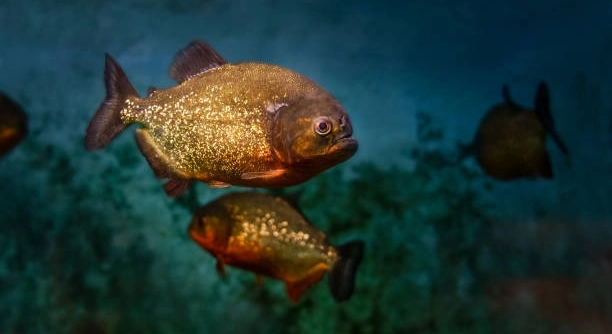
Captive piranhas often face unexpected challenges in their tanks that can leave owners puzzled. These fish have unique behaviors and needs that sometimes make their care confusing, even for experienced keepers. Understanding what confuses them can improve their wellbeing.
Piranhas in captivity exhibit confusion primarily due to unfamiliar environments, inconsistent feeding schedules, and lack of proper social interaction. These factors disrupt their natural instincts and behaviors, leading to stress and unpredictable actions that can complicate their care.
Knowing these common issues will help you create a better home for your piranhas. Recognizing their needs can lead to a healthier and more balanced life for these fascinating fish.
Unfamiliar Tank Environment
Piranhas are used to river habitats with plenty of natural hiding spots and flowing water. When placed in a tank that lacks structure or has still water, they can become stressed and confused. Without places to hide, they feel exposed, which makes them act nervously or aggressively. The tank’s size and layout also affect their behavior. A small or overcrowded tank limits their movement, leading to frustration. Water quality matters too—piranhas are sensitive to changes in temperature, pH, and cleanliness. Sudden shifts or poor conditions can confuse their senses and upset their health. Creating an environment that mimics their natural habitat as closely as possible helps them feel secure and reduces stress. Using plants, driftwood, and rocks to build hiding spots can make a big difference. Also, keeping the water parameters stable will keep your piranhas calmer and more comfortable.
A well-structured tank with stable water conditions helps reduce confusion and promotes healthier piranha behavior.
Paying attention to the tank setup and water quality improves your piranhas’ comfort. Providing an environment that suits their natural instincts can make them less anxious and more predictable in their actions, creating a better experience for both the fish and their caretaker.
Inconsistent Feeding Schedules
Irregular feeding times can confuse captive piranhas and cause stress. These fish rely on routine to understand when food will come. If meals are unpredictable or infrequent, they may become anxious or aggressive. Feeding the wrong type of food also adds to their confusion. Piranhas are carnivores and need protein-rich diets. Offering only flakes or plant-based foods does not meet their needs and can lead to poor health. Overfeeding is another problem. It can pollute the water and cause digestive issues, making the fish uncomfortable. A balanced, consistent feeding schedule is key. Feeding small amounts once or twice a day works well. Variety in diet—such as live or frozen fish, shrimp, and other meats—helps keep them healthy and interested in food. Being consistent helps your piranhas feel secure and maintain natural feeding behavior.
Lack of Proper Social Interaction
Piranhas are social fish that usually live in groups. When kept alone or in inappropriate numbers, they can become confused and stressed. Social dynamics help them feel secure and behave naturally.
Without enough companions, piranhas may become aggressive or lethargic. They rely on their group for safety and interaction, which affects their overall wellbeing. Keeping just one piranha can lead to boredom and unusual behavior because they miss the social cues from others. However, overcrowding causes competition and fights, so it’s important to find a balanced group size. Providing enough space for all fish to coexist peacefully helps maintain a calm environment and reduces stress-related confusion.
Understanding the right social setup for your piranhas supports their natural instincts and promotes healthier behavior. Social needs are often overlooked but play a major role in how comfortable and balanced your fish will be.
Water Quality Fluctuations
Water quality changes can quickly confuse and harm captive piranhas. They are sensitive to shifts in temperature, pH, and chemical levels. Stable conditions are crucial for their health.
Sudden changes in water parameters cause stress, weaken immune systems, and alter behavior. Ammonia and nitrite spikes from poor filtration or infrequent water changes are particularly dangerous. Piranhas may stop eating or act erratically when water quality is poor. Regular testing and maintenance are essential. Using filters, performing partial water changes, and keeping temperature steady prevent harmful fluctuations. Clean, stable water mimics their natural environment and keeps them calm.
Monitoring water quality daily or weekly depending on tank size and stocking levels helps prevent confusion and illness. Consistency in water care creates a safe habitat where piranhas can thrive without unnecessary stress.
Sudden Changes in Lighting
Sudden or harsh lighting can startle captive piranhas and cause confusion. Bright lights or quick changes disrupt their natural rhythms and make them uneasy.
Piranhas are used to dim, filtered light in their natural habitats. Providing gradual light changes and some shaded areas in the tank helps them feel secure and less stressed.
Limited Space to Swim
Piranhas need enough room to swim freely. A cramped tank restricts their movement and can lead to confusion and aggression.
Ensuring the tank size fits the number and size of your piranhas allows them to express normal behaviors. It also prevents stress caused by feeling trapped or crowded.
Inadequate Hiding Spots
Piranhas need hiding spots to feel safe. Without places to retreat, they become anxious and confused.
FAQ
Why do my piranhas sometimes refuse to eat?
Piranhas can refuse food for several reasons, including stress, poor water quality, or an unfamiliar diet. If the tank conditions aren’t stable or the water is dirty, they might lose their appetite. Also, sudden changes in food type or feeding schedule can confuse them. Try offering familiar protein-rich foods and keep the environment calm. Consistent feeding times help your piranhas feel secure and more willing to eat regularly.
How many piranhas should I keep together?
A small group of at least four to six piranhas is ideal for social interaction. Too few can cause stress, while too many overcrowd the tank and lead to aggression. Make sure the tank is large enough—generally, at least 20 gallons per fish—to provide enough space for swimming and hiding.
What’s the best way to maintain water quality?
Regular water changes, about 20-25% weekly, are important to keep the water clean. Use a good filter suited to your tank size to remove waste and toxins. Test the water regularly for ammonia, nitrites, nitrates, and pH levels. Stable temperature (around 75-80°F) and a pH between 6.5 and 7.5 work best for piranhas.
Why do my piranhas act aggressively sometimes?
Aggression often comes from stress, overcrowding, or lack of hiding places. Piranhas are naturally territorial, especially during feeding or when stressed. Providing enough space and hiding spots reduces fights. Feeding them consistently and avoiding sudden changes also helps keep aggression low.
Can I keep piranhas with other fish?
Piranhas are generally not good tank mates for most fish because of their aggressive nature. They may attack smaller or slower fish. Some keepers try larger, robust species, but it’s risky. Keeping piranhas alone or with their own kind is safest to avoid injuries and stress.
How often should I feed my piranhas?
Feeding once or twice a day with small portions is best. Overfeeding leads to water pollution and health issues. Piranhas eat mostly meat, so offer live, frozen, or fresh protein sources like fish, shrimp, or worms. Remove uneaten food to keep the tank clean.
What signs show my piranhas are stressed or confused?
Look for hiding constantly, refusing food, erratic swimming, or sudden aggression. Cloudy eyes and pale color changes may also indicate stress. These behaviors often mean something in the environment isn’t right, like water quality or tank setup. Addressing these factors quickly helps restore their wellbeing.
Is it normal for piranhas to stare at me?
Yes, piranhas sometimes watch their owners out of curiosity or because they recognize movement near the tank. It’s a natural behavior and not a sign of aggression. However, sudden movements can startle them, so approaching calmly is best.
How important are tank decorations for piranhas?
Decorations like plants, rocks, and driftwood provide hiding spots and reduce stress. They help replicate a natural environment and break the line of sight between fish, preventing fights. Avoid sharp objects that can injure the fish.
What should I do if my piranha gets sick?
Isolate the sick fish in a quarantine tank if possible. Check water quality and improve it if needed. Consult a vet or aquarium specialist for proper diagnosis and treatment. Early intervention improves recovery chances.
Taking care of captive piranhas can sometimes be challenging because these fish have specific needs that must be met. Understanding what confuses them is an important step toward creating a better environment. Factors such as tank size, water quality, feeding habits, and social interaction all play a role in their overall health and behavior. When these needs are not met, piranhas can become stressed, confused, and behave unpredictably. By paying close attention to these areas, owners can help their piranhas feel more secure and comfortable in captivity.
It is also important to remember that piranhas are wild fish with natural instincts that do not disappear just because they live in a tank. Their environment should reflect the conditions they are used to in nature. Providing hiding spots, maintaining stable water parameters, and offering a proper diet are simple but effective ways to reduce confusion and stress. Regular maintenance and observation will help catch any issues early, making it easier to adjust care as needed. Learning from each experience will improve the quality of life for your piranhas and increase your confidence as a caretaker.
Overall, keeping piranhas requires patience and attention to detail. These fish are fascinating but need careful handling to thrive. Avoid sudden changes in their environment and keep routines consistent. Small adjustments, like improving tank decoration or feeding schedules, can make a big difference. Taking these steps creates a calm and healthy space for piranhas to live, which benefits both the fish and their owners. With the right care, captive piranhas can live well and show their natural behavior without unnecessary confusion.

Hello,
If you enjoy the content that we create, please consider saying a "Thank You!" by leaving a tip.
Every little bit helps us continue crafting quality advice that supports the health, happiness, and well-being of pets around the world, for pets of all shapes, sizes, and species.
We really appreciate the kindness and support that you show us!