
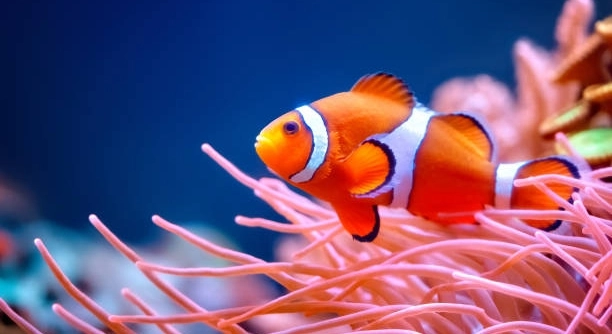
Clownfish are known for their bright colors and playful swimming patterns. These small fish often catch the attention of aquarium lovers and marine enthusiasts alike. Their movements can change based on several factors in their environment and health.
Several key factors influence clownfish swimming style, including water temperature, oxygen levels, stress, age, diet, tank size, and the presence of other fish. Each of these elements can alter their usual swimming behavior and overall activity.
Understanding these factors will help you recognize changes in clownfish behavior and maintain a healthy environment for them. This knowledge is useful for both hobbyists and those caring for clownfish in aquariums.
Water Temperature
Water temperature plays a big role in how clownfish swim. When the water is too cold, their movements become slow and sluggish because their metabolism slows down. If the water is too warm, they may swim more rapidly, but this can cause stress and exhaustion over time. Ideally, clownfish prefer temperatures between 75°F and 82°F (24°C to 28°C). Keeping the water in this range helps maintain their normal swimming patterns and overall health. Sudden changes in temperature can shock them, making their swimming erratic or causing them to hide more often. Maintaining a steady temperature is important, especially in home aquariums where the environment is controlled. Using a reliable heater and thermometer can help ensure a stable temperature that supports healthy clownfish activity and prevents any swimming issues caused by temperature fluctuations.
Temperature affects not only their swimming speed but also their energy levels and immune response, making it a vital factor for their wellbeing.
Monitoring and adjusting water temperature is one of the simplest yet most effective ways to support your clownfish’s natural swimming style and health over time.
Oxygen Levels
Oxygen levels in the water affect clownfish swimming directly. Low oxygen can make them appear tired or weak.
When oxygen in the water drops, clownfish struggle to breathe properly. This leads to slower movements and frequent pauses. In severe cases, they may gulp at the surface to get more air, showing clear signs of distress. Proper aeration, like air stones or good water flow, helps keep oxygen levels stable. It’s also important to avoid overstocking the tank, as too many fish consume more oxygen and can cause a drop. Plants can improve oxygen, but they must be balanced with the fish population. High oxygen levels support active, natural swimming behavior, while poor oxygen can limit movement and cause stress. Keeping oxygen stable is a key part of creating a healthy environment where clownfish can thrive and swim normally.
Stress and Anxiety
Stress causes clownfish to swim erratically or hide more often. They may also become less active or freeze in one spot.
Stress in clownfish often comes from sudden changes in their environment, such as loud noises, poor water quality, or aggressive tank mates. These conditions make clownfish feel unsafe, which affects their normal swimming. They might dart around nervously or stay near shelter to avoid perceived threats. Keeping the tank calm, clean, and well-maintained reduces stress and supports smooth swimming behavior.
Monitoring the fish’s behavior closely helps identify stress early. Adjusting tank conditions or separating aggressive fish can restore calm and improve swimming patterns.
Age and Swimming Ability
As clownfish get older, their swimming style naturally changes. Older fish tend to swim more slowly and with less agility.
Young clownfish are usually more energetic and agile swimmers. They explore the tank actively and dart quickly between hiding spots. Older clownfish, however, often slow down and prefer steady, gentle movements. This change is normal and reflects their lower energy levels and muscle strength. Aging can also bring some stiffness, causing less smooth turns or slower reactions. Providing a stress-free, healthy environment helps older clownfish maintain good swimming habits despite their age.
Regular observation of movement patterns can indicate overall health and help adjust care routines to support their changing needs.
Diet and Nutrition
A poor diet can slow down clownfish and affect their swimming. Balanced nutrition keeps them active and healthy.
Feeding clownfish a varied diet with high-quality pellets, frozen foods, and occasional live foods supports their energy and muscle strength. Lack of nutrients can cause lethargy and weak swimming. Regular feeding schedules also help maintain consistent activity levels.
Tank Size and Space
Small tanks limit clownfish movement, causing them to swim less freely. Larger tanks allow natural swimming behavior.
Presence of Other Fish
Other fish in the tank can affect clownfish swimming. Aggressive or territorial species may cause stress, leading to restricted movement or hiding.
Why is my clownfish swimming erratically?
Erratic swimming in clownfish is often a sign of stress or discomfort. This can happen due to sudden changes in water temperature, low oxygen levels, or poor water quality. It might also be caused by aggressive tank mates or overcrowding. When clownfish feel threatened, they swim quickly and unpredictably to escape danger. Ensuring stable tank conditions and a peaceful environment usually helps calm their movements and restore normal swimming patterns.
How does water temperature affect clownfish swimming?
Water temperature directly impacts a clownfish’s metabolism and energy. If the water is too cold, their swimming slows down because they have less energy. If it’s too warm, they may swim faster but tire easily, which can stress them. Maintaining a temperature between 75°F and 82°F (24°C to 28°C) helps clownfish stay active without risking exhaustion or illness. Sudden temperature changes should be avoided to prevent shocking the fish and causing erratic swimming.
Can poor water quality change clownfish swimming style?
Yes, poor water quality often leads to unhealthy clownfish behavior, including unusual swimming patterns. High ammonia, nitrite, or nitrate levels irritate fish and cause stress. This can make clownfish swim erratically, hide more, or become lethargic. Regular water testing and partial water changes keep the environment clean, which supports normal swimming and overall health.
Does diet influence how clownfish swim?
Diet plays a key role in clownfish energy and muscle function. A balanced diet of pellets, frozen foods, and occasional live food helps them stay active and swim well. Poor nutrition can lead to weakness and sluggish swimming. Feeding clownfish regularly with high-quality food supports their health and maintains their natural swimming behavior.
How does tank size affect clownfish swimming?
Tank size limits how much space clownfish have to swim. In small tanks, clownfish often swim less and may show signs of stress or boredom. Larger tanks give them room to move freely, explore, and display natural swimming patterns. Providing enough space also reduces aggression and territorial behavior, which helps clownfish swim more confidently.
Can other fish in the tank influence clownfish swimming?
Yes, other fish can impact clownfish behavior. Aggressive or territorial tank mates can stress clownfish, causing them to hide or swim less. Even peaceful fish might compete for space or food, affecting swimming habits. Choosing compatible tank mates and monitoring interactions helps keep clownfish calm and encourages natural swimming.
Do clownfish swim differently as they age?
Clownfish swimming changes as they grow older. Young clownfish tend to be more energetic and fast swimmers. Older clownfish slow down and swim more gently due to reduced energy and muscle strength. This is normal, but ensuring a healthy environment and diet can help older clownfish maintain good swimming habits for longer.
What signs show a clownfish is stressed from poor oxygen levels?
When oxygen levels are low, clownfish swim sluggishly and may stop moving often. They may also come to the surface to gulp air or stay near aeration sources. Stress from low oxygen can cause abnormal swimming or lethargy. Using air stones or improving water circulation keeps oxygen high and supports active swimming.
How can I reduce stress for my clownfish?
Reducing stress involves stable water conditions, proper tank size, and peaceful tank mates. Avoid loud noises, sudden movements, or rapid changes in water parameters. Providing hiding spots and keeping the tank clean also helps clownfish feel safe and swim naturally. Regular observation helps catch stress signs early.
What should I do if my clownfish swims abnormally for a long time?
If abnormal swimming persists, check water quality, temperature, and oxygen levels immediately. Look for signs of illness, injury, or aggression from other fish. Quarantine the affected fish if needed and consult an aquatic vet or experienced keeper. Early action improves the chance of recovery and returns swimming to normal.
Clownfish are beautiful and interesting fish to watch, especially because of their unique swimming styles. Their movements can tell us a lot about their health and the environment they live in. Changes in how they swim often signal something important, such as stress, water conditions, or diet. Paying attention to these changes helps ensure that clownfish stay healthy and comfortable in their tanks. Understanding what affects their swimming allows caretakers to create better living spaces for them, which leads to happier and more active fish.
Many factors influence clownfish swimming, including water temperature, oxygen levels, tank size, and the presence of other fish. Keeping these factors in balance is key. Water temperature should remain steady within the ideal range, as sudden changes can confuse or stress the fish. Oxygen levels need to be sufficient, which means good aeration and proper tank maintenance. A tank that is too small limits movement and can cause stress, while aggressive tank mates may make clownfish hide or swim differently. Ensuring proper nutrition also plays a big role in their energy and swimming behavior. Feeding a varied and balanced diet keeps clownfish strong and lively. All these small details add up to the overall health of the fish and how naturally they swim.
Watching clownfish swim and behave over time is a great way to check if their environment is suitable. If changes in swimming style are noticed, it’s important to act quickly by testing the water and observing tank conditions. Simple steps like adjusting temperature, improving oxygen, or rearranging tank mates can make a big difference. By caring for these details, it is possible to enjoy the bright colors and active movements that make clownfish so special. Taking time to understand their needs not only helps the fish but also makes the experience of keeping clownfish more rewarding and enjoyable.

Hello,
If you enjoy the content that we create, please consider saying a "Thank You!" by leaving a tip.
Every little bit helps us continue crafting quality advice that supports the health, happiness, and well-being of pets around the world, for pets of all shapes, sizes, and species.
We really appreciate the kindness and support that you show us!