
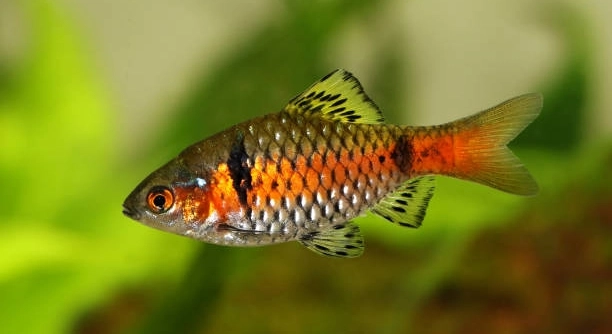
Do you ever find yourself wondering why your rosy barb suddenly starts acting restless, shy, or even a little aggressive in the tank?
Rosy barb mood swings are often caused by environmental stress, poor water quality, temperature fluctuations, overcrowding, lack of stimulation, incorrect tank mates, or breeding behaviors. Each of these factors can affect their mental and physical well-being.
Understanding what might be causing their mood shifts can help you create a more peaceful and healthy space for your fish.
Poor Water Quality
Rosy barbs are sensitive to changes in their water environment. Dirty water can lead to stress, which often shows up in their mood and behavior. High ammonia or nitrite levels, fluctuating pH, and low oxygen can all make them uncomfortable. They may dart around, hide, or even become aggressive. This change in mood isn’t random—it’s usually their way of reacting to an unsafe or unstable environment. Regular water changes, filter maintenance, and testing can prevent these issues. Clean, balanced water helps your fish feel calm, display brighter colors, and interact more normally with others in the tank.
Water that isn’t properly maintained may impact your rosy barb’s immune system, leading to poor health and irregular moods.
Make sure you’re checking the water at least once a week. Testing kits can help monitor ammonia, nitrite, nitrate, and pH levels. Even a small imbalance can make your fish feel stressed or uncomfortable. Adding live plants can help improve oxygen levels naturally. Keep the tank clean by removing leftover food and debris, and avoid overfeeding. A stable environment can make a noticeable difference in their behavior. If your rosy barb is suddenly shy or aggressive, water quality should be one of the first things you evaluate before trying other changes.
Temperature Fluctuations
Sudden changes in water temperature can disturb your rosy barb’s comfort and cause unpredictable behavior.
Rosy barbs prefer water that stays between 72°F and 80°F. Anything outside that range, especially sudden drops, can affect their mood and health. Cold water may slow them down, making them sluggish or causing them to hide. If it gets too warm, they might act restless, darting around the tank. These fish depend on stable temperatures to regulate their metabolism and energy levels. Using a reliable heater with a built-in thermostat can help avoid sudden shifts. Place the tank away from windows, heaters, or air conditioners. Check the temperature daily, especially in seasons where room temperatures vary a lot. If you notice your fish acting differently after a storm or a cold night, a quick look at the thermometer can help rule out temperature as the reason. Keeping the water consistently warm helps your rosy barb feel relaxed and behave more predictably.
Overcrowding in the Tank
When there are too many fish in one tank, rosy barbs can quickly become stressed. Limited space makes it harder for them to swim freely, find hiding spots, or establish a calm routine, leading to sudden mood changes.
Overcrowding increases the chances of territorial behavior and fights, especially among semi-aggressive fish like rosy barbs. It can also cause anxiety in shyer fish, leading them to hide or stop eating. A busy tank raises the bio-load, making it harder to maintain good water quality. Filters may struggle to keep up, and ammonia levels may spike. This kind of environment affects every part of their daily life. You might notice your rosy barb nipping at others or separating from the group. Giving them more space can make a big difference. A good rule is at least 20 gallons for a small group of rosy barbs, with extra room for other species.
Even if the tank looks peaceful, overcrowding still has long-term effects. It increases competition for food, reduces oxygen levels, and causes a constant sense of stress. This can result in weaker immune systems and more mood swings. Watching for signs like fin nipping, chasing, or withdrawn behavior can help you catch problems early. Reducing the number of fish or upgrading to a larger tank are simple ways to improve their living space. Adding plants or decorations to break up sightlines can also help. A more open, calm environment lets your rosy barb settle into a more predictable and peaceful routine.
Incompatible Tank Mates
Rosy barbs don’t always get along with every fish. Putting them with slow-moving or timid tank mates can create tension. They may nip or chase others, especially in a stressful or overcrowded tank, which triggers mood shifts.
Tank mates should match their energy level and temperament. Rosy barbs are active swimmers and do best with similarly fast and social fish. Placing them with long-finned species like angelfish or bettas can cause conflict, especially during feeding or breeding times. Fights or bullying in the tank can throw off their routine, and even if they’re not the ones being chased, the constant tension affects their mood. It’s not always easy to spot the problem right away, but signs include sudden aggression or hiding. Research each fish’s behavior before mixing species. Watching how they interact in the first few days is key. A better match means a calmer tank and happier fish.
Lack of Mental Stimulation
Rosy barbs need more than just clean water and food. A plain tank with no hiding spots, plants, or variety can lead to boredom. Boredom often shows up as aggression, stress, or unusual swimming patterns.
Adding plants, rocks, or even floating decorations can keep them mentally active. Small changes help keep their environment engaging.
Breeding Behavior
Mood swings in rosy barbs can also happen during breeding. Males often become more territorial and chase females around the tank. This behavior can look aggressive, but it’s usually part of the mating process. During this time, they may also eat less or act more defensive than usual. It’s helpful to give them space and extra plants or spawning mops to reduce stress. Separate tanks for breeding can also be useful if aggression becomes too much. These changes are usually temporary, but knowing the signs can help prevent confusion or concern. Once the breeding activity slows down, their behavior usually returns to normal.
Sudden Environmental Changes
Moving decorations, changing lighting, or rearranging the tank can stress rosy barbs. Even small changes to their surroundings may cause them to become skittish or aggressive for a few days.
FAQ
Why does my rosy barb chase other fish around the tank?
Chasing is a common behavior in rosy barbs, especially if the tank is overcrowded or they’re paired with slow or long-finned fish. It may also happen during breeding or when they’re bored. Sometimes, it’s a way of showing dominance or trying to establish space in the tank. Make sure your tank has enough room and hiding spots, and avoid pairing rosy barbs with timid species. Keeping them in a proper group of 5 or more also helps reduce aggressive behavior.
Can rosy barbs get depressed or stressed?
Yes, fish like rosy barbs can experience stress, and it often shows in their behavior. You might notice them hiding, swimming erratically, or avoiding food. Common causes include poor water quality, sudden environmental changes, or being kept alone. Rosy barbs are social fish, so keeping them in a group is important. A quiet, poorly decorated tank can also lead to boredom, which may come across as low energy or mood swings.
How can I tell if my rosy barb is unhappy?
Unhappy rosy barbs may lose their color, stop eating, or become unusually aggressive or withdrawn. They might hover near the bottom, hide more often, or swim in jerky patterns. Healthy rosy barbs are active and curious. If their behavior suddenly changes, check water quality, temperature, and any recent tank changes. It’s also a good idea to observe how they interact with other fish.
Is it normal for rosy barbs to fight?
Mild chasing or fin nipping can be normal, especially among males or when establishing territory. However, if the behavior seems constant or one fish is being singled out, it may be a sign that the tank is too crowded or that there are incompatible tank mates. Adding more plants, decorations, or upgrading to a larger tank often helps. Keeping at least five rosy barbs together spreads out aggression and helps maintain balance.
How do I calm down an aggressive rosy barb?
First, check the water conditions to rule out any physical stress. If those are fine, look at the tank setup. Are there enough hiding spots? Is the tank too crowded? Is the temperature fluctuating? You can also try rehoming aggressive fish or rearranging the tank to reset territorial boundaries. Adding dither fish or increasing the size of the rosy barb group may also ease tension.
What tank size is best for rosy barbs?
A 20-gallon tank is the bare minimum for a small group, but larger is better—especially if you’re keeping other species. Rosy barbs are active swimmers and need space to move freely. A cramped tank increases the chances of mood swings, aggression, and stress. A longer tank layout is ideal, giving them more horizontal swimming room.
Can changing food affect their mood?
Yes, sudden changes in diet or low-quality food can impact your rosy barb’s behavior. A poor diet can make them sluggish or even aggressive if they’re competing for limited nutrition. Stick to a balanced mix of flakes, pellets, and occasional live or frozen food. If changing food, do it gradually over a few days to avoid digestive stress.
Do rosy barbs need a filter and heater?
Definitely. A filter keeps the water clean and oxygenated, while a heater maintains a stable temperature. Without these, water conditions can swing out of balance quickly, stressing your fish. Even if your room stays warm, small temperature shifts can cause mood changes in rosy barbs. Consistency is key for their health and behavior.
Why is my rosy barb hiding all of a sudden?
Sudden hiding can be a sign of stress. Check for changes in water temperature, new tank mates, or recent rearrangements. If everything seems fine, it could also be temporary behavior linked to breeding or simply adjusting to a change. Make sure they have hiding spots to feel secure.
Is it okay to keep rosy barbs alone?
No, rosy barbs are schooling fish and do best in groups of five or more. Keeping them alone can cause loneliness and stress, which may lead to erratic or aggressive behavior. A proper group helps them feel secure and behave more naturally.
Final Thoughts
Rosy barbs are active, social fish that bring a lot of movement and color to your tank. But like many fish, their moods can shift depending on their surroundings. Things like poor water quality, temperature changes, overcrowding, and the wrong tank mates can all play a part in how they behave. Even smaller issues like boredom or sudden changes in their environment can affect their mood. These swings aren’t just random—they’re often signs that something in the tank isn’t quite right. Paying attention to their behavior can help you notice when something needs fixing.
Keeping rosy barbs happy and healthy isn’t hard, but it does take some regular care and observation. Clean water, a steady temperature, enough space, and the right tank companions make a big difference. They also enjoy variety, so adding plants, rocks, or new decorations from time to time can keep them more engaged. Feeding them a balanced diet and making small changes slowly also helps avoid stress. Watching them closely lets you learn what’s normal for them—and what’s not—so you can act early when something feels off.
Mood swings in rosy barbs are not always a cause for concern, but they shouldn’t be ignored either. Most of the time, a few simple changes to their environment or routine can make them feel more secure. Once their needs are met, they usually return to their active and social selves. Being patient, gentle, and consistent with their care helps them thrive in your tank. When rosy barbs feel safe and comfortable, their natural behavior and bright colors really stand out—and that makes them more enjoyable to watch every day.

Hello,
If you enjoy the content that we create, please consider saying a "Thank You!" by leaving a tip.
Every little bit helps us continue crafting quality advice that supports the health, happiness, and well-being of pets around the world, for pets of all shapes, sizes, and species.
We really appreciate the kindness and support that you show us!