
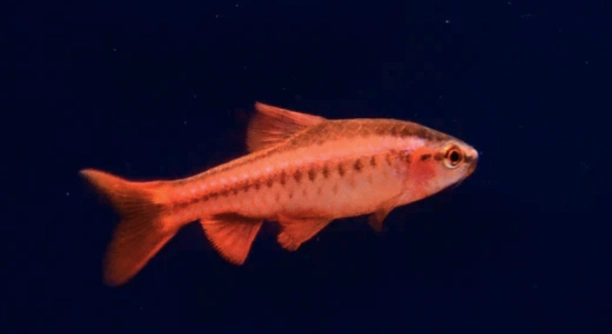
Cherry Barbs are beautiful, active fish that make an excellent addition to many aquariums. However, they can experience tank crashes that affect their health and wellbeing. It’s important to identify what may be causing these issues.
Several factors can contribute to a Cherry Barb tank crash, including poor water quality, incorrect water parameters, overfeeding, or incompatible tank mates. These issues often lead to stress, illness, and ultimately the death of your fish.
Recognizing these factors early can help you prevent future crashes and keep your tank thriving. With proper care and attention to detail, your Cherry Barbs can enjoy a healthy, long life.
Poor Water Quality
Water quality is one of the main factors that can lead to a tank crash. Cherry Barbs are sensitive to changes in their environment, especially when it comes to water. Ammonia, nitrites, and nitrates are harmful, and even small fluctuations in these levels can cause stress, which weakens your fish’s immune system. Make sure to regularly test your water, checking pH, hardness, and other parameters to ensure they stay within safe ranges. Poor water conditions can lead to disease outbreaks, which can kill fish in just a few days.
Water changes are essential in maintaining healthy water. Regular partial water changes help lower harmful toxins and prevent waste buildup. Make sure your filtration system is running properly to keep the water clean. Water quality is more than just cleanliness—it’s about maintaining the right balance for your fish to thrive. Keep a close eye on your tank’s chemistry to avoid long-term damage.
By ensuring good water quality, you create a stable and healthy environment for your Cherry Barbs. With consistent monitoring and care, your tank can stay balanced and your fish can remain healthy.
Incorrect Water Parameters
If the water’s temperature, pH, or hardness is too high or too low, your Cherry Barbs might struggle. Different species of fish have specific needs, and even small changes can lead to stress and poor health.
When water parameters are off, it can cause Cherry Barbs to become weak and more susceptible to disease. Temperature fluctuations, for example, can slow their metabolism, leading to less activity and possible malnutrition. Extreme pH levels can cause skin irritation and weaken the fish’s immune system, making it harder for them to fight off illness. Keeping track of these factors is key to their well-being.
Test your water often to make sure that the temperature stays within a suitable range for your fish. Ensure that the pH and hardness levels are ideal. Maintaining a stable, appropriate environment will help your fish live comfortably and stay healthy for a longer time.
Overfeeding
Overfeeding is a common mistake that many aquarium owners make. While it’s easy to spoil your fish, feeding them too much food can cause serious problems. Leftover food decomposes in the tank, creating waste and causing a rise in ammonia levels, which harms the water quality. Overfeeding also leads to obesity in your fish, affecting their health. It can cause them to become sluggish, less active, and more prone to illness.
Another issue with overfeeding is that it can stress your Cherry Barbs, as excess food may compete for space in the tank, adding to the chaos. It’s also easier for uneaten food to get stuck in the substrate, contributing to debris buildup. Stick to feeding your fish small portions, making sure they consume everything in a few minutes. It’s better to feed them smaller amounts several times a day rather than one large feeding.
While it may seem kind to feed them more, overfeeding does more harm than good. Your Cherry Barbs will thrive on a balanced diet and a clean tank.
Incompatible Tank Mates
Some tank mates may not be ideal for Cherry Barbs. These fish are peaceful and do best in calm, well-balanced tanks. When they are kept with more aggressive species, it can lead to stress, fights, and even injuries. Incompatible tank mates can also make your Cherry Barbs feel threatened, which impacts their health and can lead to the collapse of your tank environment.
It’s important to choose peaceful fish that won’t outcompete your Cherry Barbs for food or territory. Avoid aggressive species that could bully them. Fish that are too large may also inadvertently harm your Cherry Barbs by chasing them or taking up all the space in the tank.
If you are unsure about tank compatibility, do your research before adding new fish. Select tank mates that share similar water requirements and temperaments. Creating a peaceful environment for your Cherry Barbs will help reduce stress and maintain the health of your entire tank.
Poor Filtration System
A poor filtration system can be a silent killer in your aquarium. Filtration helps remove toxins, waste, and excess nutrients from the water, keeping it clean and clear. Without proper filtration, your water quality will quickly deteriorate, leading to an unhealthy environment for your Cherry Barbs. This, in turn, increases the chances of tank crashes.
When selecting a filter, make sure it is appropriate for the size of your tank and the type of fish you have. A filter that is too weak won’t do enough to remove harmful waste, while a filter that is too powerful could stress out your fish. Ensure that your filter is regularly maintained, and replace the filter media as needed to maintain its efficiency.
Along with regular water changes, a strong and reliable filtration system is one of the best ways to maintain a stable tank environment. Keeping your filtration system in top shape will help prevent a number of potential issues that could lead to a tank crash.
Overcrowding
Overcrowding is a common issue in aquariums. When too many fish are kept in a tank, it leads to poor water quality, increased waste, and higher stress levels. Cherry Barbs, like all fish, need space to swim and breathe comfortably. Overcrowding can stunt their growth and compromise their health.
When you overcrowd your tank, the filtration system struggles to keep up, and waste builds up faster. This increases the likelihood of water quality problems, leading to tank crashes. To prevent this, calculate the number of fish your tank can handle and avoid exceeding that limit. Each fish needs enough space to thrive.
Keeping a proper fish-to-water ratio ensures that each fish has enough room to swim and stay healthy. A tank that’s too small can also prevent good water flow, causing stagnant areas that breed harmful bacteria. Give your Cherry Barbs the space they need for a healthy environment.
Disease Outbreaks
A disease outbreak can quickly turn a healthy tank into a disaster. Cherry Barbs are susceptible to several illnesses, including fin rot and ich, which can spread rapidly if not addressed. The stress caused by poor water quality or overcrowding can weaken their immune system, making them more vulnerable to diseases.
To prevent disease outbreaks, quarantine new fish before introducing them to your tank. Ensure your tank is free from potential pathogens by maintaining good hygiene, cleaning the substrate, and removing uneaten food. Also, regularly check for signs of illness, such as unusual behavior or physical changes in your Cherry Barbs.
Addressing diseases early is crucial in preventing tank crashes. If you notice symptoms, isolate the affected fish and treat the tank accordingly. Regular water changes, proper filtration, and maintaining stable water conditions can also help prevent future outbreaks, keeping your Cherry Barbs healthy and safe.
Fluctuating Temperature
Temperature fluctuations can be deadly for Cherry Barbs. These fish do best in a stable environment with a consistent temperature. Sudden changes, especially extreme cold or heat, can stress them out and lead to a weakened immune system, making them more prone to illness.
To avoid temperature swings, invest in a reliable aquarium heater with a thermometer to maintain a constant temperature. Monitor the tank regularly, especially if you live in an area with seasonal temperature changes. Keeping the tank in a stable environment prevents shock and reduces the chances of health problems for your Cherry Barbs.
Temperature stability is vital for your fish’s well-being. Even small changes can trigger stress responses, so it’s crucial to provide a steady, comfortable environment to help your Cherry Barbs thrive.
Inadequate Tank Maintenance
Not maintaining your tank properly can cause serious problems. Regular cleaning is necessary to keep your Cherry Barbs healthy. If you neglect cleaning tasks like vacuuming the substrate or cleaning the filter, waste and debris can build up, affecting water quality and fish health.
A well-maintained tank ensures that your fish have clean water and enough space to swim. Poor maintenance can lead to algae overgrowth, toxic water conditions, and a higher chance of disease outbreaks. Regular maintenance also helps you spot potential issues before they become big problems, preventing tank crashes.
Inconsistent Feeding
Feeding your Cherry Barbs inconsistently can lead to health problems. Overfeeding can cause water pollution, while underfeeding leaves them malnourished. It’s important to feed your fish the right amount at regular intervals.
Feed your Cherry Barbs small amounts once or twice a day, ensuring they eat all the food within a few minutes. This keeps the tank clean and ensures they get the nutrients they need. Proper feeding habits prevent excess waste and keep your Cherry Barbs healthy, making them less likely to suffer from tank crashes.
FAQ
What is the ideal water temperature for Cherry Barbs?
Cherry Barbs thrive in water temperatures between 74°F and 79°F (23°C to 26°C). Keeping the water temperature within this range ensures that they remain active and healthy. Too hot or cold water can stress the fish, causing a weakened immune system and making them more susceptible to illness. To maintain stability, use an aquarium heater with a thermostat.
How often should I change the water in my Cherry Barb tank?
You should aim for a 25-30% water change every 1-2 weeks. This helps maintain water quality and reduces the buildup of harmful toxins like ammonia and nitrates. Be sure to test the water regularly, checking pH, hardness, and ammonia levels to ensure everything is within a safe range. Consistent water changes prevent many common tank problems.
Can Cherry Barbs live with other fish?
Yes, Cherry Barbs are peaceful fish and can live with a variety of non-aggressive tank mates. They do well with other small to medium-sized peaceful fish like tetras, rasboras, and guppies. However, avoid keeping them with overly aggressive or territorial species, as this can stress them out and lead to fights.
What kind of food do Cherry Barbs need?
Cherry Barbs are omnivores and enjoy a varied diet. You can feed them high-quality flake food, frozen or live food like brine shrimp or daphnia, and blanched vegetables like spinach or zucchini. Make sure to feed small amounts several times a day, and only provide what they can consume in a few minutes to avoid overfeeding and water pollution.
How do I know if my Cherry Barbs are stressed?
Signs of stress in Cherry Barbs include swimming erratically, hiding more than usual, and losing their vibrant color. Stress can be caused by poor water quality, aggressive tank mates, overcrowding, or fluctuating temperature. If you notice these signs, check the tank conditions and make necessary adjustments to ensure a healthy environment.
Can Cherry Barbs breed in a home aquarium?
Yes, Cherry Barbs can breed in a home aquarium, but they may need specific conditions to encourage spawning. Set up a separate breeding tank with soft, slightly acidic water and slightly lower temperatures to mimic their natural breeding environment. Provide plenty of plants for the fish to lay eggs on. You can separate the adults from the fry once the eggs are fertilized to prevent them from eating the young.
How can I prevent a tank crash with Cherry Barbs?
To prevent a tank crash, maintain good water quality by performing regular water changes and monitoring the levels of ammonia, nitrites, and nitrates. Avoid overfeeding, overcrowding, and ensure your fish have enough space to swim. Regularly clean the substrate and filter to prevent waste buildup. Pay attention to temperature and water parameters to keep everything stable.
How do I know if my Cherry Barb is sick?
Sick Cherry Barbs may exhibit unusual behavior such as swimming erratically, staying near the surface or bottom, or rubbing against objects. You may also notice faded colors, clamped fins, or lesions on their bodies. If any of these signs appear, isolate the sick fish and consider consulting an aquarium professional for diagnosis and treatment.
Are Cherry Barbs prone to any diseases?
Yes, Cherry Barbs can be prone to a few common aquarium diseases, including ich (white spot disease), fin rot, and velvet disease. Maintaining clean water, stable temperature, and proper tank maintenance can help prevent these issues. Quarantining new fish before adding them to your tank can also reduce the risk of introducing diseases.
How long do Cherry Barbs live?
Cherry Barbs typically live for about 3 to 5 years, but with proper care, they can sometimes live longer. Keeping their environment stable, ensuring they have a good diet, and maintaining clean water conditions all contribute to a long and healthy life.
What is the best tank size for Cherry Barbs?
Cherry Barbs do best in tanks of at least 20 gallons. This size provides enough space for swimming and allows for a stable environment. If you plan to keep more than a few Cherry Barbs, increase the tank size accordingly to prevent overcrowding. Larger tanks also help maintain better water quality.
Do Cherry Barbs need a lot of light?
Cherry Barbs do not require intense lighting but do benefit from a moderate day-night cycle. Provide 8-12 hours of light each day to simulate natural conditions. Avoid placing the tank in direct sunlight, as this can cause temperature fluctuations and algae growth. LED lights with a gentle glow are perfect for them.
What should I do if my Cherry Barb is swimming upside down?
Swimming upside down is often a sign of a swim bladder issue, which could be caused by overfeeding, constipation, or poor water quality. Try adjusting the diet and reducing the amount of food you give. If the problem persists, consider adjusting the water conditions and check for any signs of illness.
When caring for Cherry Barbs, it’s important to understand that many factors can lead to tank crashes. Poor water quality, incorrect temperature, and overfeeding are just some of the common causes. Being aware of these issues and taking preventative steps will help ensure that your Cherry Barbs stay healthy. Regular maintenance, proper tank size, and compatible tank mates all play a role in keeping the environment stable. By keeping the water clean and monitoring the tank conditions, you can avoid many of the potential problems that could harm your fish.
Remember, Cherry Barbs are sensitive to changes in their environment. They need stable water parameters and a peaceful tank to thrive. Keeping an eye on water temperature, pH, and hardness will prevent stress and help your fish maintain their bright colors and active nature. Additionally, be cautious with the amount of food you provide to avoid water pollution. Small, regular feedings are best. Overcrowding and improper tank mates should also be avoided to reduce stress levels and prevent unnecessary conflicts. Ensuring the right conditions will keep your Cherry Barbs happy for years to come.
Taking the time to properly care for your tank and its inhabitants can lead to a long and fulfilling experience. As with all fish, the better you understand their needs, the more successful you’ll be in maintaining a healthy tank. Cherry Barbs are a beautiful addition to any aquarium when cared for properly. By following basic tank maintenance practices, monitoring their health, and keeping the water quality in check, you’ll help your Cherry Barbs thrive and enjoy their vibrant, lively personalities.

Hello,
If you enjoy the content that we create, please consider saying a "Thank You!" by leaving a tip.
Every little bit helps us continue crafting quality advice that supports the health, happiness, and well-being of pets around the world, for pets of all shapes, sizes, and species.
We really appreciate the kindness and support that you show us!