
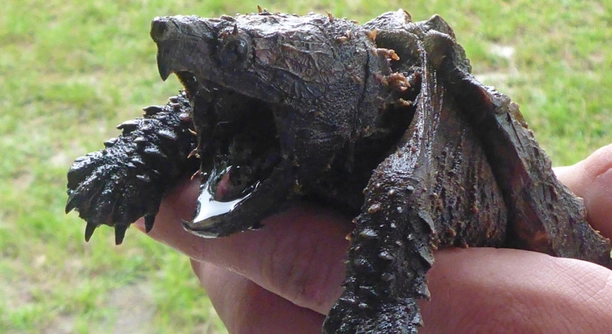
Alligator snapping turtles are fascinating creatures with unique characteristics. Like all animals, they rely on a healthy immune system to thrive. Several factors can weaken their immunity, making them more vulnerable to illness and other health problems.
Several factors can contribute to the weakening of an alligator snapping turtle’s immune system. Poor nutrition, environmental stress, infections, toxins, and inappropriate temperatures can all significantly impact their immune function, potentially leading to more frequent health issues.
By understanding these factors, you can help ensure that your alligator snapping turtle remains healthy and protected from various threats.
Poor Nutrition
The health of an alligator snapping turtle heavily depends on its diet. If the turtle is fed improperly or lacks essential nutrients, it can face serious health issues. Nutritional deficiencies can weaken the immune system, making it more susceptible to infections and illnesses. A balanced diet, including proteins, vitamins, and minerals, is essential to support the immune function of the turtle. In the wild, these turtles would eat a varied diet consisting of fish, aquatic plants, and even smaller reptiles. In captivity, offering a mix of high-quality food that mimics their natural diet helps maintain a strong immune system.
Providing the right nutrients not only strengthens their immune system but also contributes to their overall well-being. Without the proper food, an alligator snapping turtle might struggle to fight off even minor health challenges.
A well-rounded diet is a key factor in keeping the turtle’s body functioning properly. Maintaining its health helps prevent any immune system failures and supports longevity in your care. Providing fresh food, such as fish, is crucial.
Environmental Stress
Environmental stress is another significant factor in weakening the immune system of an alligator snapping turtle. Factors such as inadequate tank conditions, improper temperature, or lack of proper habitat can cause the turtle to experience stress. When under stress, the body’s immune system is less efficient in fighting off diseases, and this can lead to a greater risk of infections.
Environmental stress affects many aspects of the turtle’s life. A poor living environment can cause the turtle to become anxious and lethargic, which leads to a weaker immune response. Consistent care of their tank environment, including maintaining proper humidity, temperature, and water quality, helps reduce stress. Additionally, providing them with a proper basking area and hiding spots promotes a healthier and less stressful life.
Turtles exposed to constant stress due to improper conditions are more likely to develop health issues. A balanced and stress-free environment ensures a stronger immune system, allowing them to live healthier and more active lives.
Infections
Infections are one of the most common health issues that can affect an alligator snapping turtle’s immune system. Bacterial, viral, or fungal infections can weaken its ability to fend off other diseases. Poor water quality or stress can make turtles more prone to infections.
When an alligator snapping turtle gets infected, it might show signs like lethargy, loss of appetite, or swelling. Infections can be caused by poor hygiene in their living environment or contact with other animals. Regular water changes, maintaining a clean habitat, and monitoring for any abnormal behavior can help reduce infection risks.
Treating infections quickly is important to prevent further damage. The longer the infection persists, the more it can compromise the turtle’s immune system. Regular health checks are essential to catch any infections early and keep the turtle in a healthier state.
Toxins
Exposure to toxins can significantly impact an alligator snapping turtle’s immune system. Pesticides, heavy metals, and harmful chemicals in the water can weaken its immune response. These toxins enter their system through contaminated food, water, or environment, leading to poor health over time.
The buildup of toxins in their body can cause long-term damage. The liver and kidneys, which filter out harmful substances, can become overwhelmed, and this affects the immune system’s ability to function properly. Additionally, if turtles ingest food from polluted environments, the toxins they consume could lead to internal health issues.
Reducing toxin exposure is critical for their health. Ensuring clean water, offering toxin-free food, and avoiding environments with potential chemical contaminants help protect their immune system. Proper filtration and regular water testing are also important to avoid dangerous toxins in their living space.
Inappropriate Temperatures
Alligator snapping turtles require specific temperature ranges to maintain their health. If the water is too cold or too hot, their immune system may not function efficiently. Extreme temperatures stress the turtle, making it more vulnerable to illnesses and infections.
A stable temperature is essential for digestion, activity, and overall health. Water that is too cold can cause lethargy, while excessively high temperatures can lead to dehydration and stress. Monitoring and adjusting the water temperature according to the turtle’s needs can help maintain its health.
By keeping the water temperature within the proper range, the turtle’s immune system can stay strong and better defend against potential health threats.
Stress from Handling
Frequent handling of an alligator snapping turtle can lead to unnecessary stress, which weakens its immune system. While occasional handling is fine, excessive handling disrupts its natural behavior and makes it more susceptible to illness.
Stress from handling can cause the turtle to become anxious, reducing its ability to fight off infections. It can also affect their appetite and overall well-being. It is best to only handle them when necessary, such as for cleaning or health checks, and to ensure they have a safe and peaceful environment otherwise.
Poor Lighting
Alligator snapping turtles need access to UVB light to metabolize calcium and maintain healthy bones. Without proper lighting, they can suffer from calcium deficiencies, weakening their immune system and making them more prone to infections and illnesses.
Inadequate lighting can affect not only their immune system but also their overall growth and development. UVB light helps them process calcium, which is crucial for their shell health. Inadequate exposure to UVB rays can lead to brittle shells and other health complications.
Providing the right type of lighting, whether through a UVB bulb or natural sunlight, is essential to supporting a healthy immune system and strong bones.
FAQ
What is the best diet for an alligator snapping turtle?
A balanced diet is crucial for an alligator snapping turtle’s health. They thrive on a mix of proteins, vitamins, and minerals, which they typically get from fish, aquatic plants, and small invertebrates in the wild. In captivity, offering a variety of high-quality turtle pellets, live fish, and occasional vegetables helps provide essential nutrients. Avoid overfeeding as it can lead to obesity, which stresses the immune system. Regularly changing up the diet will ensure that your turtle gets all the necessary nutrients it needs to stay healthy.
How can I maintain proper water quality for my turtle?
Maintaining water quality is vital to keeping an alligator snapping turtle healthy. Regular water changes are essential, and the water should be filtered to remove waste and chemicals. The pH levels should be tested frequently, and the water temperature should be kept within the proper range (usually 72-78°F). Poor water quality can lead to infections, stress, and a weakened immune system, so keeping the tank clean is one of the most important aspects of care.
How often should I clean my alligator snapping turtle’s tank?
You should clean your turtle’s tank at least once a week. However, the frequency of cleaning may increase depending on the size of the tank and the number of turtles. In addition to weekly tank cleanings, replace a portion of the water regularly to maintain proper filtration. Remove any uneaten food and debris to prevent water contamination. Regular cleaning will prevent the growth of harmful bacteria, which can compromise your turtle’s immune system.
What temperature should my turtle’s tank be?
The water temperature for an alligator snapping turtle should be between 72°F and 78°F. This range helps them remain active and maintain a healthy immune system. If the water is too cold, the turtle may become sluggish and more susceptible to diseases. If it’s too hot, they could experience stress and dehydration. The air temperature above the water should be around 80°F to 85°F, and a basking area should also be available at a higher temperature, around 90°F to 95°F.
Can I keep my alligator snapping turtle with other pets?
While it is possible to house your alligator snapping turtle with other pets, it requires careful consideration. Alligator snapping turtles can be aggressive, especially towards smaller animals, including other turtles. It’s best to avoid keeping them with animals that might be seen as food, such as fish or smaller reptiles. If you decide to house them with other pets, ensure there’s enough space and separate areas for each animal to avoid conflicts.
How do I tell if my turtle is sick?
Signs of illness in an alligator snapping turtle can include lethargy, loss of appetite, swelling, abnormal shell discoloration, or trouble swimming. If your turtle seems less active than usual or isn’t eating, it’s important to monitor it closely. Any signs of physical injury or infection should also be treated immediately. A weakened immune system makes them more susceptible to illness, so it’s essential to act quickly if you notice anything unusual. Consulting a veterinarian with experience in reptiles is recommended for proper diagnosis and treatment.
What should I do if my turtle is stressed?
Stress in alligator snapping turtles can be caused by poor water quality, inadequate space, improper temperature, or excessive handling. To reduce stress, ensure that the turtle’s tank is properly set up with clean water, appropriate temperatures, and a suitable environment with hiding spots. Minimize handling to only when necessary, and give the turtle time to acclimate to its surroundings. Reducing stress will help maintain a strong immune system and prevent unnecessary health issues.
How long can an alligator snapping turtle live?
Alligator snapping turtles have a long lifespan, typically living between 30 and 50 years in the wild. With proper care, they can live even longer in captivity. Their lifespan depends on maintaining a healthy environment, proper diet, and regular veterinary check-ups. Providing the right care is essential for your turtle to live a long and healthy life.
Do alligator snapping turtles need UVB light?
Yes, UVB light is necessary for alligator snapping turtles. UVB light helps them metabolize calcium and maintain strong bones and shells. Without it, they could suffer from calcium deficiency, which leads to weak bones and shells. UVB light is essential for their overall health and immune system. Use a UVB bulb designed for reptiles to provide the proper light for your turtle.
Can I feed my turtle only vegetables?
While alligator snapping turtles may eat vegetables occasionally, they are primarily carnivorous and need a protein-rich diet. A diet consisting mainly of vegetables will not provide all the essential nutrients they require for optimal health. It is important to offer a variety of foods, including fish, aquatic invertebrates, and high-quality turtle pellets, to meet their nutritional needs. If you want to offer vegetables, consider options like leafy greens or aquatic plants as supplements to a protein-based diet.
Final Thoughts
Taking care of an alligator snapping turtle requires attention to their specific needs, particularly when it comes to diet, water quality, and environmental conditions. These turtles have a strong immune system when properly cared for, but they are also susceptible to various factors that can weaken their defenses. Ensuring that their living space is suitable, including maintaining the right water temperature and providing access to UVB lighting, plays a crucial role in supporting their health. Their diet also needs to be balanced with a variety of protein and plant-based foods to help them thrive.
Stress is another key factor that can weaken an alligator snapping turtle’s immune system. Handling them too frequently, or housing them with incompatible species, can cause unnecessary anxiety and lead to health issues. Creating a peaceful environment with enough space for them to swim and bask is essential for reducing stress. By limiting the handling and avoiding overcrowding, you will help your turtle feel secure and comfortable in its habitat. Additionally, regularly cleaning the tank and monitoring water quality can prevent infections and other diseases from affecting the turtle.
Long-term care for an alligator snapping turtle is not difficult, but it requires commitment. By understanding their needs and making sure their environment is clean and well-maintained, you can support their health for years to come. A balanced diet, stable water conditions, and regular health check-ups will help prevent illness and keep their immune system strong. Paying attention to their stress levels and providing a proper habitat will ensure your turtle remains happy and healthy throughout its life.

Hello,
If you enjoy the content that we create, please consider saying a "Thank You!" by leaving a tip.
Every little bit helps us continue crafting quality advice that supports the health, happiness, and well-being of pets around the world, for pets of all shapes, sizes, and species.
We really appreciate the kindness and support that you show us!