
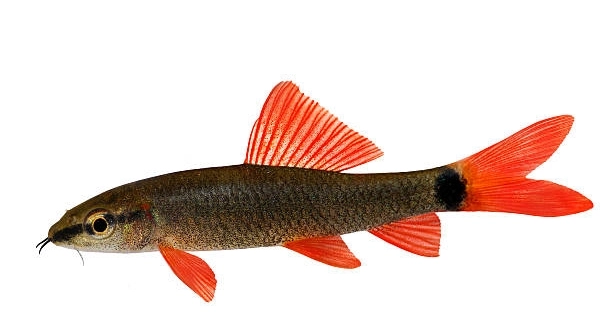
Rainbow Sharks are popular freshwater fish known for their striking colors and active nature. They can brighten any aquarium but sometimes show aggressive behavior. Understanding what triggers their aggression helps keep them calm and healthy.
Rainbow Shark aggression is often triggered by overcrowding, territorial disputes, sudden changes in water quality, poor diet, lack of hiding spots, incompatible tank mates, and stress from frequent disturbances. These factors disrupt their natural behavior and cause defensive reactions.
Knowing these triggers can help you create a peaceful environment for your Rainbow Shark and enjoy a more harmonious aquarium experience.
Overcrowding in the Tank
When Rainbow Sharks share a tank with too many fish, aggression can rise quickly. These fish need space to swim and claim their territory. Overcrowding forces them into close quarters, making it hard to avoid conflicts. In small tanks, Rainbow Sharks may feel threatened by constant presence of other fish. This stress can lead to chasing, biting, and other aggressive behaviors. Keeping the tank at an appropriate size with fewer fish helps them stay calm. Providing enough room to swim freely reduces competition for territory and lowers stress. Overcrowding also affects water quality, which can worsen aggression. Proper tank management is essential to keep Rainbow Sharks peaceful and healthy.
Crowded tanks often result in stressed and aggressive Rainbow Sharks that compete for space and resources.
Making sure your tank is large enough and not overstocked helps your Rainbow Shark feel more secure and less likely to act out.
Territorial Disputes
Rainbow Sharks are naturally territorial fish. They establish and defend specific areas in the tank, especially as they grow older. When another fish enters their space, they may act aggressively to protect it. This behavior is more common in smaller tanks or tanks with few hiding spots. Conflicts often arise during feeding times or when the tank layout changes. Providing plenty of hiding places and rearranging decorations occasionally can reduce territorial fights. It’s important to observe your fish and separate overly aggressive individuals if needed. Understanding their need for personal space helps prevent unnecessary aggression and promotes a peaceful tank environment.
Sudden Changes in Water Quality
Sudden shifts in water conditions can stress Rainbow Sharks and trigger aggression. These fish are sensitive to changes in pH, temperature, and ammonia levels.
Maintaining stable water parameters is crucial for Rainbow Sharks. Rapid changes disrupt their comfort and health, causing irritability and defensive behavior. Poor water quality weakens their immune system, making them more prone to stress-related aggression. Frequent water testing and partial water changes help keep conditions stable. Avoid adding too many new fish or decorations at once, as these can affect water chemistry. A clean, balanced environment supports peaceful behavior and overall well-being.
If water quality fluctuates too much, Rainbow Sharks may become territorial and aggressive toward other tank mates.
Poor Diet and Nutrition
A poor diet can contribute to aggression in Rainbow Sharks. When their nutritional needs are not met, they may become restless and irritable. Feeding them a balanced diet with high-quality flakes, pellets, and occasional live or frozen foods helps maintain their health. Underfeeding or offering low-quality food can weaken their defenses and increase stress. Overfeeding, on the other hand, can cause poor water quality, further impacting their mood and behavior. Consistent feeding schedules and varied diets keep them content and less likely to act aggressively. Proper nutrition is key to supporting their natural calmness and vibrant colors.
Lack of Hiding Spots
Rainbow Sharks need places to hide to feel safe. Without enough cover, they become stressed and more aggressive.
Adding plants, caves, and decorations gives them refuge. This reduces stress and helps lower aggressive behavior, creating a calmer tank environment.
Incompatible Tank Mates
Some fish species do not get along well with Rainbow Sharks. Aggression often arises when tank mates are too small, too passive, or too territorial themselves. Choosing compatible species that can share space peacefully is important. Avoid mixing Rainbow Sharks with overly aggressive or very timid fish to maintain balance.
Frequent Disturbances
Constant tapping on the tank or loud noises near the aquarium stress Rainbow Sharks. These interruptions cause anxiety and increase aggression.
Minimizing disturbances allows them to feel secure and behave more calmly in their environment.
FAQ
Why is my Rainbow Shark suddenly aggressive?
Sudden aggression in Rainbow Sharks can be caused by stress from changes in their environment. This includes overcrowding, shifts in water quality, or new tank mates. Even small changes in temperature or pH can upset them. They react by becoming territorial or defensive to protect themselves.
How can I reduce aggression in my Rainbow Shark?
Reducing aggression means providing enough space, hiding spots, and stable water conditions. Avoid overcrowding and keep compatible fish together. Regular water testing and partial changes help maintain balance. Feeding a good diet and limiting disturbances also lower stress and aggressive behavior.
Can Rainbow Sharks live with other fish?
Yes, but careful selection is needed. Choose fish that are peaceful but large enough not to be seen as prey. Avoid other aggressive or overly territorial species. Good tank mates include larger tetras, barbs, or peaceful cichlids. Introduce new fish slowly and watch for signs of conflict.
Is it normal for Rainbow Sharks to be aggressive sometimes?
A degree of territorial behavior is natural, especially as they grow older. They will defend their space, but constant or severe aggression often signals a problem with tank conditions. Monitoring their behavior and environment helps keep aggression at a healthy level.
How often should I clean my Rainbow Shark’s tank?
Regular maintenance is key. Partial water changes of 20-30% once a week help keep water quality high. Remove uneaten food and waste regularly. A clean tank reduces stress and supports peaceful fish behavior.
What is the best tank size for a Rainbow Shark?
A minimum of 30 gallons is recommended for one Rainbow Shark. Bigger tanks are better when keeping multiple fish. More space allows each fish to establish territory without constant conflict. Proper tank size helps reduce aggression caused by overcrowding.
What signs indicate my Rainbow Shark is stressed?
Signs include hiding too much, loss of color, erratic swimming, or constant chasing of other fish. Aggression itself can be a stress sign. Checking water parameters and tank conditions is important if these behaviors appear.
Can I train my Rainbow Shark to be less aggressive?
Rainbow Sharks are not easily trained like pets, but their behavior improves with a calm environment. Consistent care, a proper diet, and avoiding disturbances will help them feel secure and less likely to act out aggressively.
Are there any health issues linked to aggression in Rainbow Sharks?
Stress from aggression or poor tank conditions can weaken their immune system, making them vulnerable to disease. Injuries from fights can also occur. Keeping a peaceful tank and good water quality reduces health risks.
What should I do if my Rainbow Shark attacks other fish?
First, check tank size and hiding places. Remove overly aggressive fish or separate the Rainbow Shark temporarily. Improving water conditions and diet can help. If aggression continues, consider rehoming the fish to avoid harm to the tank community.
Final Thoughts
Taking care of a Rainbow Shark means understanding their behavior and needs. Aggression is a common issue, but it is usually a sign that something in their environment needs attention. Overcrowding, poor water quality, or a lack of hiding spots can make these fish stressed and more likely to act out. By providing a clean, spacious tank with plenty of places to hide, you can help your Rainbow Shark feel safe and calm. Watching your fish closely and making small changes when needed can make a big difference in their behavior.
Feeding your Rainbow Shark the right diet is also very important. Healthy, balanced food helps keep them strong and less stressed. Avoid overfeeding or giving low-quality food, as this can lead to water problems and make your fish irritable. Keeping a steady feeding schedule with varied foods will support their overall well-being. The more comfortable and healthy your Rainbow Shark is, the less likely it will show aggression. Simple daily care and attention go a long way toward maintaining peace in your aquarium.
Remember, some aggression is natural for Rainbow Sharks because they like to protect their territory. However, constant fighting or severe aggression usually means something needs to change. Being patient and willing to adjust the tank setup, fish companions, or water conditions will help you create a better home for your fish. With careful care, you can enjoy watching your Rainbow Shark thrive while keeping your tank a peaceful place for all its residents.

Hello,
If you enjoy the content that we create, please consider saying a "Thank You!" by leaving a tip.
Every little bit helps us continue crafting quality advice that supports the health, happiness, and well-being of pets around the world, for pets of all shapes, sizes, and species.
We really appreciate the kindness and support that you show us!