
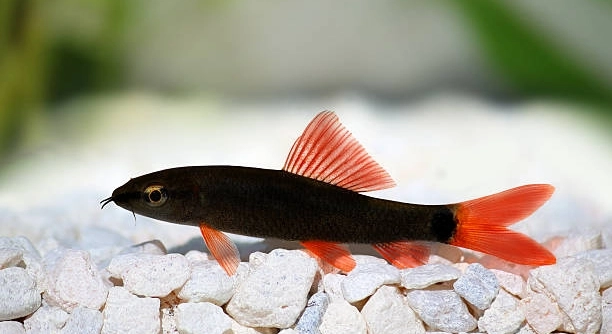
Rainbow Sharks are popular freshwater fish known for their vibrant colors and active nature. They can sometimes show aggressive behavior, which may surprise many fish keepers. Understanding what triggers this aggression is important for maintaining a peaceful aquarium.
Aggressive behavior in Rainbow Sharks is often triggered by factors such as overcrowding, territorial disputes, poor water quality, inadequate hiding spaces, sudden changes in environment, incompatible tank mates, and stress from improper feeding routines. These triggers can lead to heightened territoriality and aggression.
Identifying these triggers helps in creating a calmer environment for your Rainbow Sharks and promotes harmony within your tank community.
Overcrowding and Territorial Disputes
Keeping too many Rainbow Sharks in one tank often leads to overcrowding, which can make these fish feel stressed and defensive. Rainbow Sharks naturally establish territories, and when their space is limited, conflicts arise quickly. I noticed that when my tank became too crowded, the aggression between fish increased, with chasing and nipping becoming common. Providing enough room helps reduce these disputes. Ensuring at least 30 gallons per Rainbow Shark can prevent overcrowding issues. Without enough space, their natural territorial instincts will push them to protect their area aggressively, making your tank a stressful place for all inhabitants.
Limiting the number of Rainbow Sharks and other tank mates reduces stress and aggressive interactions. It gives each fish a chance to claim its own space without constant competition.
Careful planning of tank size and population is essential. Adding decorations or plants can help create boundaries, giving your Rainbow Sharks distinct territories to reduce aggression and promote a balanced aquarium environment.
Water Quality and Environment Changes
Poor water quality and sudden changes in the environment can stress Rainbow Sharks, increasing their aggressive behavior. They thrive in clean, stable water conditions. When water parameters fluctuate or toxins build up, their immune system weakens, and stress levels rise. I learned that regular water testing and maintenance significantly lowered aggressive episodes in my tank. Sudden changes like temperature shifts or new decorations without proper acclimation can unsettle them, triggering territorial displays or chasing.
Maintaining stable water conditions with proper filtration and regular changes helps keep Rainbow Sharks calm.
Consistent tank conditions create a healthy environment that supports their natural behavior. Stability reduces stress, which lowers aggression and encourages peaceful coexistence with other fish species.
Inadequate Hiding Spaces
Rainbow Sharks need places to retreat. Without sufficient hiding spots, their stress increases, which often leads to aggression. Providing caves, plants, and decorations helps reduce confrontations and gives them a sense of security.
When my tank lacked enough hiding places, the fish were always on edge. Adding driftwood and dense plants created safe zones where they could escape from more dominant tank mates. This significantly lowered aggressive encounters. Hiding spots break up the territory and give Rainbow Sharks room to avoid constant conflict. It also mimics their natural environment, making them feel more at ease and less likely to chase or nip at others. Giving your fish this comfort can transform the atmosphere in your aquarium.
Dense foliage or rock formations not only serve as shelters but also encourage natural behaviors like exploring and resting. This leads to a calmer, more balanced tank where aggression is minimized.
Incompatible Tank Mates
Choosing the right companions is vital. Some fish species provoke Rainbow Sharks, increasing territorial disputes and aggression. Avoiding overly aggressive or similar bottom-dwelling fish helps maintain peace.
I once added fish that competed for the same space and noticed immediate hostility. Rainbow Sharks become more aggressive when their tank mates constantly invade their territory or compete for food. Peaceful species that occupy different tank levels reduce tension. Proper research about compatibility before introducing new fish prevents stress-induced aggression. It’s important to provide varied feeding areas and hideouts to ease competition. A balanced community with complementary behaviors keeps your Rainbow Sharks calm and the tank harmonious. This approach makes managing aggression easier and creates a more enjoyable environment.
Stress from Improper Feeding Routines
Inconsistent feeding times or poor diet can stress Rainbow Sharks, causing them to act aggressively. A regular feeding schedule helps keep their behavior calm and predictable.
Overfeeding or underfeeding also triggers competition and frustration. Balanced nutrition and consistent meals reduce these issues.
Sudden Changes in Environment
Rainbow Sharks react negatively to abrupt changes in their tank environment, such as moving decorations or adding new fish without gradual introduction. These changes disrupt their routine and increase stress, leading to aggressive behavior. Maintaining a stable environment with slow adjustments minimizes this problem and helps your fish stay calm.
Stress from Poor Water Conditions
Dirty or unbalanced water stresses Rainbow Sharks, often resulting in aggressive behavior. Regular water tests and timely changes are essential for their wellbeing.
FAQ
What causes Rainbow Sharks to become aggressive?
Rainbow Sharks become aggressive mainly due to territorial instincts. Overcrowding, lack of hiding spaces, incompatible tank mates, poor water quality, and sudden environmental changes can all increase stress and trigger aggression. Stress from improper feeding routines or inconsistent schedules also plays a role. Creating a stable and spacious environment helps reduce aggressive behavior.
How much space does a Rainbow Shark need?
Each Rainbow Shark requires at least 30 gallons of tank space. This helps minimize territorial disputes and gives the fish enough room to swim freely. Overcrowding a tank with too many Rainbow Sharks or other fish often leads to aggressive encounters, so planning tank size carefully is essential.
Can Rainbow Sharks live with other fish?
Yes, but compatibility matters. Choose peaceful fish that occupy different areas of the tank, such as mid or top dwellers. Avoid other aggressive or bottom-dwelling species that compete for the same space. Proper tank mates reduce conflicts and keep aggression levels low.
How do I reduce aggression in my Rainbow Sharks?
Providing enough space, hiding spots, stable water conditions, and compatible tank mates are key. Maintaining regular feeding schedules and avoiding sudden changes in the tank environment also help. These steps create a calm atmosphere, minimizing aggression.
What role does water quality play in aggression?
Poor water quality stresses Rainbow Sharks and can make them more aggressive. Ammonia, nitrite, or nitrate buildup irritates fish and weakens their immune system. Regular water testing, filtration, and timely water changes keep conditions stable and stress low.
Are there signs my Rainbow Shark is stressed?
Signs include increased chasing, nipping, hiding, loss of appetite, and unusual swimming patterns. Stress can also weaken their immune system, making them prone to illness. Identifying stress early helps prevent long-term aggression and health problems.
How can I create hiding spaces for my Rainbow Sharks?
Use rocks, driftwood, caves, and dense plants to create multiple hiding spots. These provide security and break up territorial boundaries. When I added more hiding places, the aggression in my tank dropped noticeably. Natural decorations that mimic their habitat are best.
Can feeding habits affect aggression?
Yes, inconsistent feeding times or poor diet can increase stress and competition among Rainbow Sharks. Overfeeding leads to poor water quality, while underfeeding causes frustration. Balanced nutrition with a regular schedule helps keep their behavior calm.
What should I do if aggression continues despite changes?
If aggression persists, consider rearranging the tank layout or separating overly aggressive individuals. Sometimes, Rainbow Sharks have strong territorial instincts that require more space or a different tank setup. Observing behavior closely can guide further adjustments.
Is it normal for Rainbow Sharks to be aggressive sometimes?
Some aggression is natural due to their territorial nature. However, excessive aggression usually signals environmental stress or poor tank conditions. Managing these factors helps maintain a healthier balance and reduces aggressive incidents.
Rainbow Sharks can be wonderful additions to a freshwater aquarium when their needs are properly met. Their colorful appearance and active swimming make them interesting to watch. However, their natural territorial behavior sometimes leads to aggression, which can cause stress for both the fish and the aquarium keeper. Understanding the common triggers of aggressive behavior is essential for maintaining a peaceful tank environment. Paying attention to factors such as tank size, water quality, hiding spots, and tank mates will help reduce conflicts and create a healthier living space for your Rainbow Sharks.
Managing aggression in Rainbow Sharks requires careful planning and regular maintenance. Overcrowding is a frequent cause of stress and territorial disputes, so providing enough space is important. Equally critical is ensuring stable water conditions, as fluctuations or poor quality can upset the fish and increase aggressive tendencies. Adding sufficient hiding places and decorations gives the fish areas to retreat and reduces stress. Selecting compatible tank mates who do not compete for the same territory also helps prevent conflicts. Feeding routines should be consistent and balanced to avoid frustration that may lead to aggression. These simple steps go a long way in fostering a calm and balanced aquarium.
Patience and observation are key when caring for Rainbow Sharks. Aggression can often be reduced by addressing the triggers discussed, but every tank is unique. Monitoring fish behavior regularly and making adjustments as needed helps maintain harmony in the aquarium. While some level of aggression is natural due to their territorial instincts, a well-maintained environment minimizes its impact. Creating conditions that support their health and natural behaviors allows Rainbow Sharks to thrive and coexist peacefully with other fish. Taking time to understand these factors ultimately leads to a more enjoyable and successful aquarium experience.

Hello,
If you enjoy the content that we create, please consider saying a "Thank You!" by leaving a tip.
Every little bit helps us continue crafting quality advice that supports the health, happiness, and well-being of pets around the world, for pets of all shapes, sizes, and species.
We really appreciate the kindness and support that you show us!