
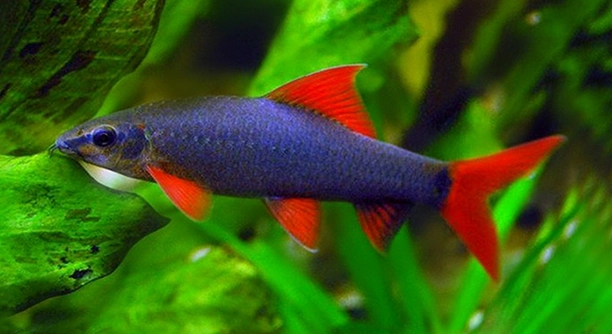
Rainbow sharks are popular freshwater fish known for their striking colors and active behavior. Keeping them healthy requires understanding their needs and what might cause stress in their environment. Stress can affect their well-being and longevity.
Several factors can stress out rainbow sharks, including poor water quality, overcrowding, lack of hiding spaces, aggressive tank mates, improper diet, sudden changes in temperature, and inadequate tank size. These stressors impact their health, behavior, and overall survival in captivity.
Knowing these common stress causes helps you create a better environment for your rainbow shark. The following information will guide you in keeping your fish calm and healthy.
Poor Water Quality
Poor water quality is one of the most common causes of stress in rainbow sharks. These fish need clean, well-filtered water to thrive. High levels of ammonia, nitrites, or nitrates can quickly harm them. Uneaten food and waste buildup worsen water conditions, leading to toxic environments. Regular water changes and monitoring parameters like pH, temperature, and hardness are essential. Rainbow sharks prefer slightly acidic to neutral water with stable temperatures around 74-80°F (23-27°C). Sudden changes or fluctuations in these factors can cause stress and illness. Proper filtration and maintenance routines ensure the tank remains a healthy place for your fish to live and grow.
Maintaining good water quality reduces stress and improves your rainbow shark’s overall health. It supports natural behavior and vibrant colors.
Test your water regularly and change 20-25% weekly to keep conditions ideal. Using a reliable filter and avoiding overcrowding also helps maintain water quality.
Overcrowding and Aggressive Tank Mates
Overcrowding can create competition for space and resources, making rainbow sharks stressed and defensive. These fish are territorial and prefer plenty of room to swim and hide. Aggressive tank mates worsen stress by causing constant conflict or chasing. Ideal tank size is at least 30 gallons for one rainbow shark, with proper decorations and hiding spots. Avoid placing them with overly aggressive or fin-nipping fish. Peaceful species like small tetras or barbs can be good companions if the tank is large enough. Managing tank population and choosing compatible fish prevents stress, promotes natural behavior, and keeps your rainbow shark healthy.
Lack of Hiding Spaces
Rainbow sharks need hiding spots to feel safe and reduce stress. Without these, they may become anxious and aggressive.
Providing caves, plants, or decorations creates secure areas where your fish can retreat. This helps them feel less exposed and more comfortable in their environment. Hiding spaces also reduce conflicts between tank mates by giving fish their own territory. A well-decorated tank with plenty of hiding places supports natural behavior and lowers stress levels, improving the overall health of your rainbow shark.
Regularly check and rearrange tank decorations to keep the environment stimulating and safe. Changing hiding spots occasionally can reduce boredom and territorial disputes.
Improper Diet
Feeding your rainbow shark the wrong diet can cause health problems and stress. They need a balanced diet rich in protein, including sinking pellets, live or frozen foods like bloodworms or brine shrimp. Avoid overfeeding, which pollutes the tank and harms water quality.
A varied diet supports their vibrant colors and energy levels. Nutritional deficiencies weaken their immune system and increase susceptibility to disease. Ensuring proper feeding amounts and quality food helps maintain strong health and reduces stress.
Monitor your fish’s eating habits and adjust feeding routines to meet their needs. Healthy nutrition contributes significantly to their well-being and longevity.
Sudden Changes in Temperature
Rainbow sharks are sensitive to temperature fluctuations. Sudden drops or rises in water temperature can stress them and weaken their immune system. Consistent temperature within their preferred range is vital.
Using a reliable heater and thermometer helps maintain stable conditions. Avoid placing the tank near drafts or direct sunlight to prevent unexpected changes.
Inadequate Tank Size
A small tank limits swimming space and causes stress in rainbow sharks. They need at least 30 gallons to thrive comfortably. Larger tanks reduce territorial aggression and provide room for decorations and hiding spots.
Overcrowding in small tanks leads to poor water quality and unhealthy fish behavior. Providing sufficient space supports their natural activity and well-being.
Aggressive Behavior From Tank Mates
Aggressive or overly active tank mates can cause constant stress. Rainbow sharks may be chased or attacked, leading to injuries or hiding behavior. Choosing peaceful species is essential to reduce tension.
Creating a calm environment supports your fish’s health and reduces stress-related illnesses.
How can I tell if my rainbow shark is stressed?
Signs of stress in rainbow sharks include hiding more than usual, loss of color, reduced appetite, and erratic swimming. You might also notice fin clamping or frequent rubbing against tank decorations. These behaviors often indicate discomfort or illness caused by environmental factors.
Monitoring your fish daily helps catch stress early. Changes in behavior can be subtle at first but become more obvious if issues persist. Keeping a close eye on water quality and tank conditions can prevent these problems from developing.
What water parameters are best for rainbow sharks?
Rainbow sharks thrive in water with a temperature between 74°F and 80°F, pH levels around 6.5 to 7.5, and moderate hardness. Ammonia and nitrite levels should always be zero, while nitrates should stay below 20 ppm. Stable water parameters reduce stress and promote health.
Regular testing using aquarium test kits is necessary. Sudden changes or poor water quality will impact your fish negatively, so consistent monitoring and maintenance routines are key.
How often should I change the water in my rainbow shark’s tank?
Performing a 20-25% water change weekly is generally recommended to keep the environment clean. This helps remove toxins, waste, and excess nutrients that can cause stress. More frequent changes may be needed in smaller or heavily stocked tanks.
Always treat tap water with a water conditioner before adding it to the tank. This removes harmful chlorine and chloramine that can damage your fish.
Can rainbow sharks live with other fish?
Yes, but compatibility depends on tank size and fish species. Rainbow sharks are territorial and can be aggressive toward similar or smaller fish, especially in cramped spaces. Peaceful, fast-moving species like tetras or danios usually coexist well if the tank is large enough.
Avoid slow-moving or long-finned fish that may become targets. Providing plenty of hiding spots and space reduces territorial conflicts.
What should I feed my rainbow shark?
A balanced diet of high-quality sinking pellets designed for carnivorous fish forms the base of their nutrition. Supplement with frozen or live foods such as bloodworms, brine shrimp, or daphnia to provide variety and essential nutrients.
Feed small amounts 1-2 times daily. Avoid overfeeding as leftover food can spoil water quality and harm your fish’s health.
How can I reduce aggression in my rainbow shark?
Providing enough space, hiding places, and compatible tank mates helps reduce aggression. Rearranging tank decorations occasionally can disrupt territorial boundaries and ease tensions.
If aggression persists, consider increasing tank size or separating aggressive individuals. Maintaining good water quality and stable conditions also lowers stress, which can contribute to aggressive behavior.
Why is my rainbow shark losing color?
Color fading often signals stress, illness, or poor water conditions. It may also result from inadequate diet lacking essential nutrients. Stressors like overcrowding, poor water quality, or improper lighting affect pigmentation.
Improving water parameters, offering a nutritious diet, and reducing stress factors usually restore vibrant colors over time.
How long do rainbow sharks typically live?
Rainbow sharks can live 5 to 8 years with proper care. Maintaining stable water quality, a balanced diet, and a stress-free environment contributes to their longevity.
Regular tank maintenance and monitoring health signs ensure your fish stays active and healthy throughout its life.
Can rainbow sharks jump out of the tank?
Yes, rainbow sharks are known to jump when stressed or startled. Always keep a secure lid on your tank to prevent escapes. Avoid sudden movements or loud noises near the aquarium that might frighten them.
Providing ample space and hiding spots reduces stress-related jumping behavior.
What is the ideal tank setup for a rainbow shark?
A tank of at least 30 gallons with a good filtration system is ideal. Include hiding places like caves, driftwood, and plants to create a natural environment. Use a substrate that allows comfortable bottom swimming.
Stable temperature, clean water, and compatible tank mates complete the ideal setup. Regular maintenance is essential to keep this environment healthy and stress-free.
Final Thoughts
Rainbow sharks are beautiful fish that can add life and color to any freshwater aquarium. However, their well-being depends greatly on the environment you provide. Stress is a common problem for these fish and can come from many sources, including poor water quality, overcrowding, and improper diet. Paying close attention to these factors helps ensure your rainbow shark remains healthy and active.
Taking care of your rainbow shark means maintaining stable water conditions with proper filtration and regular water changes. It also involves creating a suitable tank environment with enough space and hiding spots. Avoiding aggressive tank mates and feeding a balanced diet are equally important. These efforts reduce stress and help your fish display their natural behaviors and vibrant colors. A peaceful and well-maintained aquarium supports the long-term health of your rainbow shark.
Being mindful of stress triggers is key to successful fishkeeping. Small changes in temperature, sudden movements, or lack of shelter can cause unnecessary discomfort for your fish. By monitoring your aquarium regularly and responding quickly to any issues, you can prevent many common problems. In the end, consistent care and attention will allow your rainbow shark to thrive, making your aquarium a more enjoyable place for both you and your fish.

Hello,
If you enjoy the content that we create, please consider saying a "Thank You!" by leaving a tip.
Every little bit helps us continue crafting quality advice that supports the health, happiness, and well-being of pets around the world, for pets of all shapes, sizes, and species.
We really appreciate the kindness and support that you show us!