
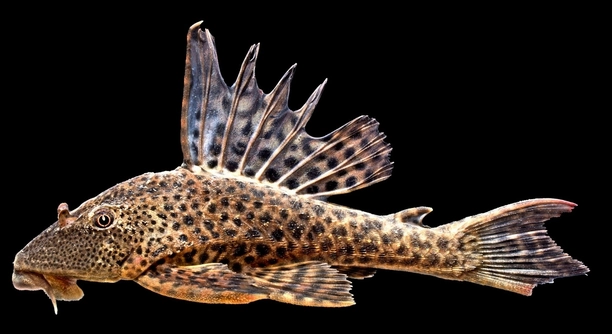
Plecostomus, often called “plecos,” are popular aquarium fish known for their peaceful nature and algae-eating habits. However, like all pets, they have their stress triggers. Understanding these triggers is key to keeping them happy and healthy.
Several factors can stress a plecostomus quickly, including poor water quality, inappropriate tank mates, sudden temperature changes, inadequate hiding spots, overfeeding, and bright lighting. All these can lead to health issues and disrupt their peaceful behavior.
Recognizing these stressors can help you create a better environment for your plecostomus. Taking a few simple steps to minimize stress can ensure they thrive in your aquarium.
Poor Water Quality
Plecostomus are sensitive to water conditions. Dirty water or fluctuating levels of ammonia, nitrites, or nitrates can quickly stress them out. Over time, poor water quality can lead to skin irritation, breathing difficulties, and even death. Regular water changes and proper filtration are vital for maintaining a healthy tank environment.
A clean tank with stable water quality keeps your pleco stress-free. It’s important to check water parameters regularly. You should aim to maintain a consistent pH, temperature, and hardness level to avoid sudden stress.
Using a good filtration system helps keep the water clear and oxygen-rich. If your pleco seems stressed, check the water conditions first. A sudden change in water chemistry, like adding new water or moving the tank, can cause immediate distress. Always make sure to acclimate your pleco to any new water source slowly. Regular cleaning of the tank and proper water maintenance are essential for your pleco’s well-being.
Incompatible Tank Mates
Not all fish are suitable tank mates for plecostomus. Aggressive fish or overly active species can stress them out. Plecos prefer a calm environment and may become scared or aggressive in response to tank mates that invade their space.
Choosing peaceful tank mates is important. Fish that are too large or too active can bully or stress out your pleco. In an overcrowded tank, there may not be enough space for your pleco to hide, leading to further distress.
In addition, some fish species may compete for food, depriving your pleco of the nutrition it needs. This can lead to weight loss, poor health, and stress. It’s best to choose tank mates that are compatible with the plecostomus in size, temperament, and feeding habits. Peaceful species like tetras or corydoras make ideal companions. Make sure there are enough hiding spots in the tank so your pleco can retreat and feel safe.
Sudden Temperature Changes
Plecostomus are sensitive to temperature fluctuations. Sudden changes in water temperature can cause stress and even shock. They prefer a stable range between 72°F and 78°F (22°C – 26°C), so it’s important to keep the water temperature consistent.
A thermometer and heater are essential for monitoring water temperature. Even small temperature changes can cause stress. If the tank water is too hot or too cold, your pleco may become lethargic or less active.
Avoid placing your tank near windows, heaters, or air conditioners, as these areas can cause temperature swings. Using a reliable heater with an automatic thermostat will keep the water temperature stable, which is key to keeping your pleco comfortable and healthy.
Lack of Hiding Spots
Plecos need hiding spots to feel safe. Without places to retreat, they may become stressed, anxious, or more aggressive. Providing caves or other hiding spots allows your pleco to feel secure and reduces stress.
Decorating the tank with plenty of hiding spots made from natural materials like rocks or driftwood gives your pleco a chance to relax. Plecos are nocturnal and may prefer to hide during the day.
A well-planted tank also offers plecos more places to retreat. This mimics their natural environment, where they can find shelter. Ensuring these hiding spots are easily accessible encourages your pleco to explore the tank and feel less stressed.
Overfeeding
Overfeeding plecostomus can lead to stress and health issues. It’s easy to overestimate how much they can eat, but feeding them too much can cause water quality problems and digestive stress.
Plecos are bottom feeders, and they often eat leftovers, so be mindful of how much food is in the tank. Overfeeding can also lead to bloating or constipation, making your pleco uncomfortable.
Feed your pleco only as much as they can eat within a few hours. Any leftover food should be removed to prevent it from affecting the water quality and causing stress.
Bright Lighting
Plecos prefer low light conditions. Bright, constant light can stress them out, as they feel exposed and vulnerable. Keep the lighting soft, especially at night.
A dimly lit tank with some natural darkness will help your pleco feel secure. Avoid direct bright light during the day and provide places where they can retreat from any strong light.
Plecos are nocturnal creatures and will often stay hidden when the lights are too bright. Provide shaded areas using plants or decorations to help them feel more at ease.
Inconsistent Feeding Schedule
Feeding your pleco at different times or varying amounts can cause stress. They thrive on a consistent feeding routine and feel more secure when they know when to expect food.
Having a set feeding schedule helps regulate their behavior and keeps them comfortable. Stick to the same times each day to avoid unsettling them.
Consistency in their diet and feeding routine is key to preventing unnecessary stress. It also ensures they are getting the right amount of food without overfeeding or underfeeding them.
FAQ
How do I know if my plecostomus is stressed?
Signs of stress in a plecostomus include reduced activity, hiding more often, or becoming more aggressive. They may also lose their appetite, exhibit erratic swimming behavior, or develop physical symptoms like damaged fins or skin irritation. Keeping an eye on your pleco’s behavior will help you spot these signs early. If you notice any of these, check the water quality, temperature, tank mates, and food situation, as these are the most common stressors.
Can plecostomus live with other fish?
Plecos are generally peaceful, but it’s important to choose their tank mates wisely. Avoid keeping them with aggressive fish or those that might outcompete them for food. Small, peaceful species like tetras or corydoras are typically good companions. However, be mindful of the size of the other fish, as plecos can grow large and need space. Also, ensure there are plenty of hiding spots for the pleco to retreat to when needed.
How often should I feed my plecostomus?
Plecostomus should be fed once or twice a day, with enough food for them to consume within a few hours. Avoid overfeeding, as excess food can pollute the tank and lead to poor water quality. Plecos are bottom feeders and may also eat algae or leftover food in the tank, so ensure they get a balanced diet of algae wafers, fresh vegetables, and occasional protein sources.
What’s the best temperature for a plecostomus tank?
Plecostomus prefer water temperatures between 72°F and 78°F (22°C – 26°C). Any significant fluctuations outside of this range can cause stress, so maintaining a consistent temperature is important. A reliable heater and thermometer will help ensure that the water stays within the ideal range. Avoid placing the tank in areas where temperature changes are more likely, like near windows or air conditioning vents.
Why is my plecostomus hiding all the time?
Hiding is a natural behavior for plecos, especially if they are feeling stressed. This can happen due to bright lighting, noisy environments, or the presence of aggressive tank mates. Providing hiding spots such as caves or plants can help them feel more secure. Plecos are nocturnal, so they might be more active during the evening hours. It’s also important to check that the tank conditions are optimal—water quality, temperature, and food should all be addressed.
What can I do if my plecostomus isn’t eating?
If your pleco isn’t eating, first check the water conditions. Poor water quality can make them lose their appetite. Ensure they have access to a proper diet, including algae wafers, fresh vegetables, or protein-based foods. If tank mates are aggressive and eating the food before the pleco can get to it, it may not be eating because it’s not able to reach the food. Offer food in different spots and check if they are eating at night when the tank is quieter.
How can I prevent my plecostomus from getting sick?
To prevent illness, maintain proper tank conditions—stable water temperature, good filtration, and regular water changes. Keeping the tank clean and ensuring your pleco isn’t exposed to stressors, like aggressive tank mates or poor water quality, will help prevent sickness. Additionally, providing a balanced diet with both plant-based and protein-rich foods will boost your pleco’s immune system.
How long can plecostomus live?
With proper care, a plecostomus can live anywhere from 10 to 15 years, or even longer in some cases. They tend to live longer in larger tanks with stable conditions. Regular water changes, proper feeding, and a suitable environment will help your pleco reach its full lifespan.
Can plecostomus tolerate low light conditions?
Yes, plecos prefer low light conditions as they are nocturnal and feel safer in dimly lit tanks. Bright lighting can stress them out, causing them to hide more often. Using soft, low-intensity lighting or providing shaded areas with plants and decorations will make your pleco feel more comfortable.
Should I be concerned if my plecostomus is not growing?
If your plecostomus isn’t growing as expected, it could be due to poor water quality, inadequate food, or insufficient space. Plecos grow slowly, but if growth seems stunted, check the tank conditions. Make sure the water is clean and the pleco is getting enough food. If your pleco is in a small tank, it may also limit their growth potential.
Is it okay to have more than one plecostomus in a tank?
It is generally safe to keep more than one plecostomus in a tank, provided the tank is large enough and there are plenty of hiding spots. Plecos are territorial creatures and can become aggressive towards each other if space is limited. A larger tank with lots of decorations and hiding spots will allow them to live peacefully together. Make sure the tank is well-maintained to avoid overcrowding and stress.
How do I set up a tank for a plecostomus?
Setting up a tank for a plecostomus involves choosing a tank size that’s appropriate for their adult size, typically at least 30 gallons for a single pleco. Include a reliable filtration system, plenty of hiding spots (such as caves, rocks, or driftwood), and plants to help replicate their natural environment. Maintain stable water conditions with regular water changes and a heater to keep the temperature consistent. Make sure the tank is not overstocked to reduce stress.
Final Thoughts
Taking care of a plecostomus can be a rewarding experience, but it requires attention to detail. These fish are relatively low-maintenance, but they are sensitive to certain stressors, such as poor water quality, aggressive tank mates, and sudden changes in temperature. It’s important to keep an eye on these factors to make sure your pleco stays healthy and happy. With the right care, your plecostomus can thrive and be a peaceful addition to your tank for many years.
Providing the proper environment for your pleco is key to preventing stress. Maintaining clean water, keeping the temperature stable, and offering hiding spots for them to retreat to are simple steps you can take to ensure their well-being. Avoid overcrowding the tank and choose compatible tank mates to reduce any potential stress from aggressive or territorial fish. Plecos can grow quite large, so make sure your tank is spacious enough to accommodate their size and ensure they have plenty of room to explore.
Lastly, keeping a consistent feeding schedule and monitoring the health of your plecostomus will go a long way in preventing stress. While they do eat algae and leftovers, offering a balanced diet of algae wafers, fresh vegetables, and protein-rich foods will keep them in good condition. Understanding the needs of your pleco and providing a stable, peaceful environment is the best way to help them live a long and healthy life.

Hello,
If you enjoy the content that we create, please consider saying a "Thank You!" by leaving a tip.
Every little bit helps us continue crafting quality advice that supports the health, happiness, and well-being of pets around the world, for pets of all shapes, sizes, and species.
We really appreciate the kindness and support that you show us!