
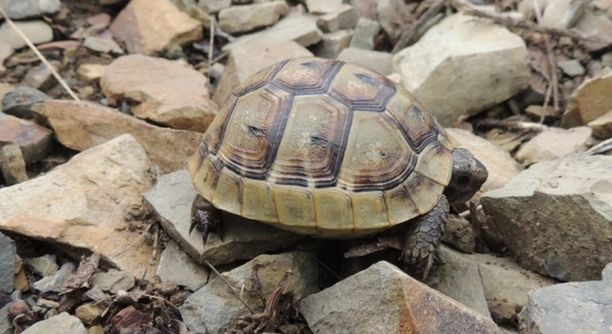
Greek tortoises are known for their calm nature, but there are several things that can stress them out. Understanding these stressors is key to providing them with a healthy and comfortable environment.
Stress in Greek tortoises is often caused by poor habitat conditions, handling, diet issues, and environmental changes. Common stressors include improper temperature, lack of hiding spots, excessive noise, and sudden changes in their routine.
Being aware of these stressors can help you create a better environment for your pet. With the right setup, you can keep your Greek tortoise happy and healthy. Let’s explore some of these factors in more detail.
1. Inadequate Habitat Conditions
Greek tortoises thrive in warm, dry environments with plenty of space to roam. If the enclosure is too small or lacks proper heating, they may feel stressed. The right temperature is crucial for their digestion and overall health. A basking spot that reaches 90-95°F (32-35°C) is ideal, while the cooler side of their habitat should remain between 70-80°F (21-27°C). Without these temperature gradients, your tortoise could experience discomfort, which leads to stress. They need a place where they can hide and feel secure. A lack of hiding spots, especially in stressful situations, may make them feel exposed and uneasy. Without a proper habitat setup, your tortoise’s well-being can quickly decline.
A stressed tortoise may stop eating, retreat into its shell, or exhibit more aggressive behavior. Make sure their environment mimics the natural conditions they would experience in the wild as closely as possible.
Adding a few rocks or plants to the habitat provides a natural space for your tortoise to explore. A few simple changes, like adjusting the lighting or adding hiding places, can make a big difference in reducing stress.
2. Overhandling and Frequent Interactions
Handling a Greek tortoise too often or too roughly can cause them significant stress. While some tortoises may tolerate being handled occasionally, they are naturally solitary animals that don’t seek human interaction. Excessive handling can make them feel threatened and lead to anxiety. If you handle them too frequently, they may begin to associate you with stress rather than comfort.
It’s important to handle your tortoise gently and only when necessary. Allow them to explore their space and observe them without intervening too much. When you do handle them, try to keep it brief and calm. This approach helps your tortoise feel safe in their environment.
When introducing them to new people or animals, do so gradually. Abrupt changes in their surroundings or social interactions can heighten their stress levels. Always monitor their behavior after handling and be mindful of any signs of discomfort, like retreating into their shell.
3. Poor Diet Choices
A balanced diet is essential for a Greek tortoise’s health. Offering too many high-protein or high-fat foods can lead to health issues, causing stress in the long run. Focus on providing a variety of leafy greens, grasses, and weeds. Avoid feeding them fruits too often, as these can upset their digestive system.
It’s crucial to understand the specific dietary needs of your tortoise. Overfeeding vegetables high in oxalates, like spinach, can also cause calcium deficiencies, which will contribute to stress. Along with their meals, make sure they have access to fresh water.
Offering too many prepared foods can cause them to miss out on essential nutrients. Wild tortoises get a broad range of food from their natural environment, and replicating this variety in captivity is key to their well-being. Consistency in feeding, avoiding overfeeding, and offering the right variety will help reduce stress related to diet.
4. Sudden Environmental Changes
Changing your Greek tortoise’s habitat too frequently can lead to confusion and stress. Tortoises are creatures of habit, and sudden shifts in their environment may cause them to retreat into their shells or stop eating. Whether it’s adjusting the temperature, moving the enclosure, or introducing new objects, consistency is key.
Any changes in their surroundings should be gradual. If you need to make adjustments, do so slowly so your tortoise has time to adapt. A sudden move, such as changing their substrate or removing a favorite hiding spot, can disrupt their sense of security. This will make them feel uneasy.
A stable environment with minimal disruptions will allow your tortoise to feel comfortable and safe. Creating a routine for cleaning, feeding, and handling will help them feel secure and reduce stress. The more predictable their environment, the more relaxed they’ll be.
5. Loud or Constant Noise
Greek tortoises can easily become stressed by loud or continuous noise. Their hearing is sensitive, and constant disturbances may lead to anxiety. Sounds like vacuum cleaners, loud music, or even shouting can cause them to hide in their shell or become more active than usual.
Keeping their environment quiet and calm is crucial. If your tortoise is exposed to loud noises regularly, it could affect its behavior and health. Providing a peaceful space for your tortoise will help them feel safe and reduce stress levels. Avoid placing their enclosure near busy areas where noise is unavoidable.
6. Lack of Sunlight or UVB Exposure
Greek tortoises rely on natural sunlight or artificial UVB light to stay healthy. A lack of UVB exposure can lead to vitamin D3 deficiency, which affects calcium absorption and may cause shell deformities. Without UVB light, your tortoise may become lethargic or stop eating.
Ensure your tortoise gets enough UVB exposure by using appropriate light bulbs designed for reptiles. These bulbs should be placed close enough to your tortoise for proper absorption, but also replaced regularly as their UVB output decreases over time. The right lighting can prevent bone issues and promote overall health.
7. Overcrowded Habitat
An overcrowded habitat can stress out a Greek tortoise, as they require space to roam and explore. Having too many tortoises in one enclosure can lead to territorial disputes, competition for food, and stress-related behavior. Always make sure there is enough space for each tortoise.
Even if you have just one tortoise, ensure that their enclosure is large enough to provide them with room to roam. Keeping a tortoise in a cramped environment may cause them to feel cornered and anxious. A spacious habitat will help them maintain a calm and healthy lifestyle.
FAQ
What should I do if my tortoise is stressed?
If your Greek tortoise shows signs of stress, the first step is to identify the source. Check their habitat for any issues like incorrect temperature, overcrowding, or lack of hiding spots. Make sure they are getting enough UVB exposure and are not being handled too often. Sometimes, simply adjusting their environment, offering a better diet, or reducing noise can help. If the stress continues, consider consulting a veterinarian experienced with reptiles to rule out any health problems. Small adjustments often go a long way in making your tortoise feel more comfortable.
How do I know if my Greek tortoise is unhappy?
An unhappy tortoise will show signs of stress or discomfort. You might notice them hiding more than usual, refusing to eat, or becoming more aggressive. They may also appear lethargic or stop moving around as much. If these behaviors persist, check the habitat conditions, diet, and handling frequency. Remember that tortoises are creatures of habit, and significant changes can lead to stress. If these signs don’t improve after adjustments, it’s worth taking them to the vet for a health check.
How often should I feed my Greek tortoise?
Greek tortoises should be fed every other day, with a diet consisting mainly of leafy greens, grasses, and some weeds. You can supplement with small amounts of vegetables like squash or bell peppers. Avoid overfeeding, especially high-calcium foods like dandelion greens. A varied diet ensures your tortoise gets the necessary nutrients while keeping them healthy. As with anything, moderation is key. Overfeeding can lead to obesity, which increases stress and health risks.
Can my Greek tortoise get stressed from handling?
Yes, excessive handling can cause stress in Greek tortoises. While they are not aggressive animals, they prefer to be left alone in their environment. Overhandling can make them feel threatened or out of control. Limit physical interaction to necessary moments, such as cleaning or occasional health checks. When you do handle them, be gentle and slow, allowing them time to adjust. Always respect their need for space to reduce stress.
How do I create a comfortable environment for my Greek tortoise?
A comfortable environment is essential for your tortoise’s well-being. Ensure that their habitat has enough space for them to roam and explore. Use a substrate that allows for natural burrowing, like coconut coir or grass hay. Provide hiding spots using rocks or plants, and make sure the habitat is properly heated. The basking area should be around 90-95°F (32-35°C), with a cooler side ranging from 70-80°F (21-27°C). Add a reliable UVB light source to mimic the sun’s natural rays, which help with calcium absorption. A peaceful, well-maintained habitat promotes comfort and reduces stress.
How can I tell if my Greek tortoise is sick?
A sick tortoise might exhibit behavior changes, such as lethargy, lack of appetite, or not being as active as usual. You may also notice abnormal discharge from the eyes or nose, swelling, or changes in their shell. If your tortoise is sick, it’s important to get them checked by a vet familiar with reptiles. Early detection and treatment are key to preventing long-term issues. In addition, monitor their habitat to ensure that conditions are optimal, as poor living conditions can contribute to illness.
What type of light does my tortoise need?
Greek tortoises need both UVA and UVB lighting to thrive. UVB is especially important for the synthesis of vitamin D3, which helps them absorb calcium. Without proper UVB light, your tortoise may develop metabolic bone disease. Make sure to provide a UVB bulb specifically designed for reptiles. These bulbs should be replaced every 6-12 months, as their effectiveness diminishes over time. Additionally, place the light source near their basking spot to ensure proper exposure. A combination of UVB light and heat is essential for your tortoise’s overall health.
Can I keep more than one tortoise together?
While it’s possible to keep more than one Greek tortoise together, it can lead to stress if the space is too small. Tortoises are territorial animals, and overcrowding can lead to competition for food, hiding spots, and space. If you plan on housing multiple tortoises, make sure the enclosure is large enough to accommodate each one. Each tortoise should have its own space, and you should monitor their interactions. Sometimes, tortoises may fight or become stressed when living with others. Be ready to separate them if aggression occurs.
What temperature should my Greek tortoise’s habitat be?
Maintaining the right temperature is essential for a healthy Greek tortoise. The basking area should be between 90-95°F (32-35°C), while the cooler side of the habitat should be around 70-80°F (21-27°C). A temperature gradient in the enclosure allows your tortoise to regulate its body temperature naturally. If the temperature is too low, they may become sluggish, and if it’s too high, they may become dehydrated. Always use a reliable thermometer to monitor the temperature in different areas of the enclosure to keep your tortoise comfortable.
How do I clean my tortoise’s enclosure?
To clean your Greek tortoise’s enclosure, first remove any waste, uneaten food, or bedding that’s soiled. Wash the substrate and replace it with fresh bedding. Use a reptile-safe disinfectant to clean the walls, floor, and any objects in the enclosure. Avoid using harsh chemicals, as they can harm your tortoise. Clean food and water dishes daily to prevent bacteria growth. Regular cleaning not only ensures a healthy environment for your tortoise but also reduces stress, as they will feel comfortable in a clean, hygienic space.
Final Thoughts
Caring for a Greek tortoise means creating the right environment and routine to ensure their well-being. These tortoises are naturally calm, but stressors in their environment can lead to health issues or behavioral changes. A comfortable habitat, balanced diet, and minimal handling are key to reducing stress. A little attention to their basic needs can go a long way in keeping them healthy and happy.
If you notice signs of stress in your tortoise, it’s important to act quickly. Look for any issues with their temperature, diet, or environment that could be causing discomfort. Even small changes, like adjusting the lighting or adding a new hiding spot, can help. Tortoises are creatures of habit, so keeping their routine consistent will also prevent them from feeling anxious. Understanding their needs and adjusting your care accordingly ensures a better quality of life for your pet.
Remember, a Greek tortoise is a long-term commitment, and providing a stable environment is essential. By focusing on their basic needs—temperature, space, diet, and minimal handling—you can help your tortoise thrive for many years. Consistency and patience will be your best tools in keeping them stress-free. With the right care, your tortoise will continue to live a happy, healthy life.

Hello,
If you enjoy the content that we create, please consider saying a "Thank You!" by leaving a tip.
Every little bit helps us continue crafting quality advice that supports the health, happiness, and well-being of pets around the world, for pets of all shapes, sizes, and species.
We really appreciate the kindness and support that you show us!