
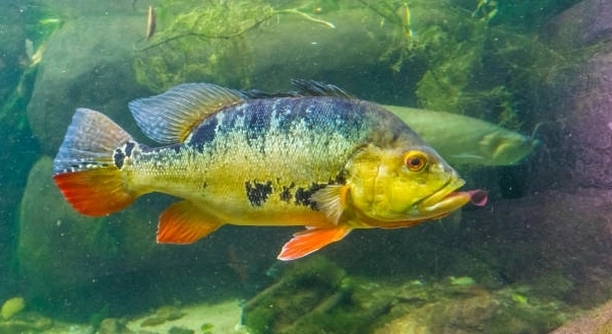
African cichlids are popular aquarium fish known for their vibrant colors and lively behavior. Caring for them involves understanding their specific needs and environment. Many owners may not realize what factors can unexpectedly stress or shock these fish.
African cichlids can be shocked by sudden changes in water temperature, poor water quality, overcrowding, incompatible tank mates, improper diet, rapid changes in light, and rough handling. These stressors affect their health and behavior significantly.
Knowing these common shock factors helps maintain a stable and healthy habitat for your cichlids. This knowledge ensures your fish remain active and vibrant in their home.
Sudden Changes in Water Temperature
African cichlids are sensitive to quick shifts in water temperature. When the temperature changes suddenly, it can shock their system and cause stress. This stress can weaken their immune response, making them more vulnerable to diseases. Consistent temperature is key for their comfort and health. Many aquarium heaters have thermostats to keep water stable, which helps prevent temperature swings. Avoid placing tanks near windows or vents where temperatures might fluctuate. Also, when performing water changes, make sure the new water matches the tank’s temperature closely. Even a difference of a few degrees can cause problems. By maintaining steady water temperature, cichlids remain calm and active, which is essential for their well-being and coloration.
Keeping the water temperature stable reduces the risk of shock and keeps your cichlids healthy.
Maintaining temperature control is simple but important. Using reliable heaters and monitoring temperature regularly helps protect your fish. Be cautious during seasonal changes, as room temperatures can vary. Slowly adjust water temperature when needed, and avoid sudden drops or rises. This careful approach minimizes stress and supports long-term health for your African cichlids.
Poor Water Quality
Poor water quality can quickly affect African cichlids. Dirty water with high levels of ammonia or nitrites is harmful. These chemicals build up from fish waste, uneaten food, and decaying plants. Without regular water changes and filtration, the tank environment becomes unsafe. Poor water quality can cause lethargy, loss of appetite, and disease.
Maintaining clean water is essential for cichlids’ health.
Regular water changes and good filtration keep the tank clean. Testing water parameters weekly helps catch issues early. Use water conditioners to remove chlorine and other harmful substances. Avoid overfeeding, which contributes to waste buildup. A well-maintained tank promotes healthy gill function and supports the fish’s vibrant colors. Clean water also encourages natural behaviors, making your aquarium more enjoyable to watch. Consistency in care makes a big difference in preventing shock and disease in African cichlids.
Overcrowding in the Tank
Overcrowding causes stress and aggression among African cichlids. Too many fish in a small space limit swimming and increase competition for resources.
When tanks are overcrowded, waste levels rise quickly, harming water quality. Fish become territorial, leading to fights and injuries. Stress weakens their immune systems, making them more prone to illness. Proper tank size and careful stocking prevent overcrowding. Each cichlid needs enough space to swim and establish territory. Adding too many fish can disrupt the tank’s balance and cause long-term problems for all inhabitants.
It’s important to plan the number of fish based on tank size. Providing hiding spots can reduce tension, but space is the most critical factor. Regularly monitoring fish behavior helps detect overcrowding issues early and keeps your cichlids comfortable.
Incompatible Tank Mates
Some fish species don’t get along well with African cichlids, causing stress and injuries. Aggressive or very passive species can create problems.
Choosing tank mates carefully is essential to maintain harmony. African cichlids are territorial and can attack smaller or more docile fish. Mixing species with similar temperaments and size works better. Avoid slow-moving or delicate fish that may become targets. Researching compatibility before adding new fish prevents unnecessary stress. Providing plenty of hiding places also helps reduce conflicts. When tank mates are incompatible, cichlids show signs of stress like hiding or aggression. Managing tank community thoughtfully improves fish health and overall aquarium balance.
Improper Diet
Feeding African cichlids the wrong diet can cause health problems. Their digestive systems need specific nutrients to stay healthy.
A diet too high in protein or lacking plant matter can lead to issues like bloating or weakened immune systems. Providing a balanced diet with quality pellets, vegetables, and occasional live food supports their growth and coloration.
Rapid Changes in Light
Sudden changes in aquarium lighting can startle cichlids. Bright lights switched on quickly or lights left off for long periods cause stress. Consistent light cycles help maintain their natural rhythm. Using timers can prevent abrupt changes and support healthier behavior in your fish.
Rough Handling
Handling African cichlids roughly during tank maintenance or transfers causes physical harm and stress. They have delicate fins and scales that tear easily. Using gentle nets and calm movements minimizes injury. Careful handling protects their health and reduces shock during necessary interactions.
FAQ
What are the main signs that my African cichlids are shocked?
When African cichlids experience shock, they often show changes in behavior and appearance. Common signs include sudden hiding, loss of appetite, rapid gill movement, faded colors, and sluggish swimming. Sometimes they may also scratch against objects in the tank or isolate themselves. Recognizing these signs early can help address the cause before the shock worsens. Keeping a close eye on their daily behavior makes it easier to spot any changes quickly.
How can I prevent sudden temperature changes in my tank?
To prevent temperature shocks, use a reliable heater with a built-in thermostat. Monitor the tank temperature regularly with a thermometer, especially during seasonal changes. Avoid placing the aquarium near windows, vents, or heaters that cause drafts or heat fluctuations. When changing water, ensure the new water matches the tank’s temperature before adding it. Slow adjustments rather than rapid changes keep your cichlids comfortable and healthy.
What should I do if water quality is poor?
If water quality is poor, immediately test for ammonia, nitrites, nitrates, and pH levels. Perform partial water changes to reduce toxins. Clean or replace the filter media if necessary, but avoid cleaning all filter media at once to keep beneficial bacteria. Avoid overfeeding and remove leftover food promptly. Maintaining a good cleaning schedule and regular testing prevents water problems and keeps fish safe.
How many African cichlids should I keep in one tank?
The number of African cichlids depends on tank size and species. A general rule is one inch of fish per gallon, but cichlids need space to establish territories. For example, a 30-gallon tank can comfortably hold about 6 to 8 medium-sized cichlids. Providing plenty of hiding spots helps reduce aggression. Overstocking leads to stress and water quality issues, so planning the right population is important.
Can I keep African cichlids with other fish species?
African cichlids can be kept with other species, but compatibility is key. Choose fish with similar size and temperament. Avoid slow or very passive fish that can become targets of aggression. Other African cichlids or robust, fast-swimming fish are better companions. Always research species compatibility before adding new fish to avoid stress and fighting in the tank.
What is the best diet for African cichlids?
African cichlids need a balanced diet that includes protein and plant matter. High-quality cichlid pellets or flakes are a good base. Supplement with fresh vegetables like spinach or peas and occasional live or frozen foods such as brine shrimp. Avoid feeding too much protein-rich food, which can cause digestive problems. Feeding small portions two to three times daily works best.
How often should I change the water in my cichlid tank?
Regular water changes are essential to keep the tank healthy. Changing 20-30% of the water weekly is recommended. This removes waste and keeps toxin levels low. Avoid changing too much water at once, as it can cause stress. Using a siphon to clean the substrate during water changes also helps keep the environment clean.
Why is sudden light change stressful for cichlids?
Sudden changes in lighting disturb the natural day-night cycle of African cichlids. Abrupt bright lights can startle them, while long periods without light disrupt their behavior. Consistent lighting schedules with gradual changes are important. Using a timer helps maintain stable light periods, which reduces stress and supports natural activity patterns.
How should I handle my African cichlids during tank maintenance?
Always handle cichlids gently during maintenance or transfers. Use a soft, fine-mesh net to reduce damage to their fins and scales. Avoid chasing or grabbing fish with your hands, which can cause injury and stress. Move fish calmly and slowly, giving them time to adjust. Minimizing handling keeps your cichlids healthy and lowers the risk of shock.
What can I do if my cichlids show signs of stress or shock?
If your cichlids appear stressed, check water parameters immediately and correct any problems. Ensure stable temperature and good water quality. Reduce tank disturbances like loud noises or sudden movements. Provide hiding spots to help them feel safe. If aggression is an issue, consider rearranging tank decorations or separating aggressive fish. Early intervention improves recovery chances.
African cichlids are beautiful and active fish that can bring a lot of life to any aquarium. However, they need careful attention to stay healthy and stress-free. Many factors can cause shock or stress in these fish, including sudden changes in water temperature, poor water quality, overcrowding, and incompatible tank mates. Understanding these factors helps you create a safe and stable environment for your cichlids. When their environment is consistent and well-maintained, African cichlids are more likely to thrive, showing their best colors and natural behaviors.
Keeping an eye on water quality is one of the most important parts of caring for African cichlids. Regular testing and water changes prevent harmful chemicals from building up. A balanced diet also plays a big role in keeping them healthy. Feeding the right food in the right amounts helps avoid digestive issues and supports their growth. Tank size and stocking levels should be planned carefully to avoid overcrowding, which can cause stress and aggression. Selecting compatible tank mates and providing enough hiding spaces further reduces stress and keeps the fish peaceful. These simple steps can make a big difference in your fish’s well-being.
Finally, handling your cichlids gently and maintaining a stable environment are key to preventing shock. Sudden changes in lighting or rough handling during tank cleaning can frighten or harm them. Using timers for lights and being calm when interacting with your fish helps maintain a peaceful tank atmosphere. Paying attention to your cichlids’ behavior lets you catch problems early and act before stress becomes serious. By following these practices, you can enjoy watching your African cichlids flourish and remain healthy for years to come.

Hello,
If you enjoy the content that we create, please consider saying a "Thank You!" by leaving a tip.
Every little bit helps us continue crafting quality advice that supports the health, happiness, and well-being of pets around the world, for pets of all shapes, sizes, and species.
We really appreciate the kindness and support that you show us!