
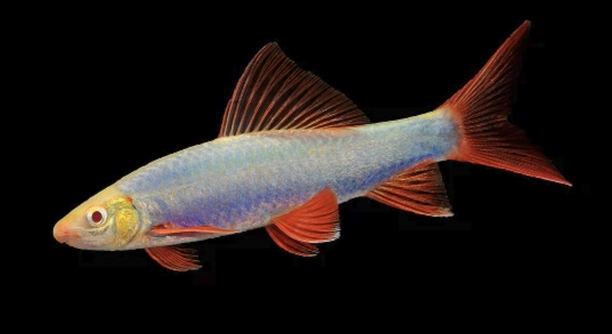
Do you ever find yourself worrying that your rainbow shark isn’t as comfortable or confident in its tank as it should be?
A rainbow shark can feel unsafe due to stress from tank mates, inadequate hiding spots, poor water quality, sudden changes in lighting, or tank overcrowding. These factors can trigger territorial behavior and increase aggression.
Learning what makes your rainbow shark uneasy can help you build a tank environment that supports its well-being and natural behavior.
Tank Mates That Trigger Stress
Rainbow sharks can be territorial, especially in smaller tanks or when kept with other bottom dwellers. They often see certain fish as threats, leading to aggressive chasing or hiding. Housing them with similar-looking fish or fish that occupy the same tank level can increase their stress. Ideal tank mates are peaceful species that swim in the mid-to-upper levels, like danios or barbs. It’s important to avoid slow-moving or long-finned species, as these can also be targets. A well-planned tank setup can go a long way in creating a calm space for your rainbow shark. This includes researching each species’ behavior and needs before placing them together. Compatibility plays a big role in how secure and comfortable your rainbow shark feels. If the shark senses competition or threat, it may stay hidden, show pale colors, or act aggressively. These behaviors often point to an underlying stressor that needs attention.
Stress from poor tank mate choices doesn’t just disrupt your rainbow shark’s routine—it can also lead to illness or long-term behavior changes.
If you want your rainbow shark to stay active and healthy, choosing calm, non-territorial fish is key. Watch their interactions daily and be ready to adjust the tank population if needed.
Inadequate Hiding Spaces
Rainbow sharks need places where they can retreat and feel secure. Without enough caves, plants, or decorations, they often become anxious.
A bare tank can make your rainbow shark feel exposed. These fish naturally look for dark corners or covered spaces where they can rest without being seen. When the tank lacks these features, your shark might spend more time trying to find cover, or it might turn aggressive as it tries to claim the little space it does find. Using driftwood, stacked rocks, or aquarium-safe caves can help solve this problem. Plants, whether real or artificial, also add to the tank’s structure and create comfort. A few hiding spots spread around the tank can reduce stress, especially if other fish share the space. If your rainbow shark often hides or flares up, take a good look at the layout. Simple changes can help restore a calmer balance, making it feel safer and more at ease.
Poor Water Quality
Rainbow sharks are sensitive to changes in water conditions. Dirty water, high ammonia, or unstable pH can make them feel unsafe and lead to erratic behavior or illness. Clean, stable water is one of the most important things for their overall comfort and health.
Maintaining good water quality means testing the tank regularly and performing weekly water changes. Keep ammonia and nitrite at zero, and nitrate as low as possible. A stable pH, typically between 6.5 and 7.5, also helps. Use a proper filtration system, but make sure the water flow isn’t too strong—rainbow sharks prefer moderate currents. Overfeeding can also spike waste levels, so feed them sparingly. When water quality drops, your shark might start hiding more often or lose its bright color. These are signs that something in the environment isn’t right. Fixing the issue quickly can prevent long-term stress or illness.
Good water doesn’t just keep your tank looking clear—it helps your rainbow shark feel calm and secure. If your fish seems nervous or less active, checking water quality is one of the first things you should do. Testing kits are affordable and give you a simple way to track changes. Clean water supports both behavior and long-term health.
Sudden Lighting Changes
Bright lights turned on suddenly can startle rainbow sharks. They prefer gradual light shifts, which mimic sunrise and sunset. Sudden changes can cause them to dart around the tank or hide, which is a clear sign of stress or fear.
Using a timer on your aquarium light can help. It ensures lights come on and turn off at the same time each day, giving your shark a predictable routine. Dim lighting or adjustable LED setups can also make transitions smoother and reduce sudden bursts of brightness.
Tank Size Too Small
A small tank limits space and increases tension. Rainbow sharks need at least a 30-gallon tank, though larger is better, especially if they share the space. Without enough room to swim freely and establish territory, they may become aggressive or withdrawn. Cramped conditions can also lead to water quality issues more quickly. Giving your rainbow shark room to roam helps it stay active, reduces stress, and improves its overall well-being. Choose a tank that allows for movement, hiding spots, and space away from other fish. This will make your rainbow shark feel more secure in its environment.
Overcrowded Tank
Too many fish in the tank leaves little space for your rainbow shark to claim as its own. This increases stress and makes aggression more likely.
What are common signs that my rainbow shark feels unsafe?
When a rainbow shark feels unsafe, it may hide more than usual, lose its bright colors, or act aggressively toward tank mates. You might also notice it swimming erratically or staying in one corner. These behaviors often indicate stress or discomfort in its environment.
How can I reduce aggression between rainbow sharks and other fish?
Aggression usually comes from competition over space or territory. Make sure your tank is large enough and avoid housing rainbow sharks with fish that occupy the same tank level or look similar. Providing plenty of hiding spots and breaking up sightlines with decorations helps reduce tension.
Is water temperature important for rainbow sharks’ safety?
Yes, rainbow sharks prefer water between 72°F and 79°F (22°C–26°C). Temperatures outside this range can stress them, affecting their immune system and behavior. Using a reliable heater and thermometer will keep the water stable and comfortable.
Can sudden noise or vibrations make a rainbow shark feel unsafe?
Yes, loud noises or sudden vibrations around the tank can startle rainbow sharks. They may respond by darting quickly or hiding. Placing the aquarium in a quiet, stable location helps minimize these stressors.
How often should I clean the tank to keep my rainbow shark comfortable?
Regular maintenance is key. A weekly 20-25% water change helps maintain good water quality. Clean the filter as recommended but avoid disturbing beneficial bacteria. Consistent upkeep keeps the environment healthy and reduces stress.
Are certain plants better for rainbow sharks to hide in?
Yes, sturdy plants like Java fern, Anubias, and Amazon sword offer good shelter without being easily uprooted. Floating plants can also diffuse light and create shaded areas, making your shark feel more secure.
Can overcrowding cause health problems for rainbow sharks?
Overcrowding increases waste, lowers water quality, and stresses all fish involved. Stress weakens the immune system, making your rainbow shark more prone to disease. Keeping an appropriate number of fish and maintaining good filtration is essential.
Does lighting intensity affect rainbow shark behavior?
Bright, harsh lighting can stress rainbow sharks. They prefer moderate or dim lighting that mimics their natural habitat. Using adjustable lights or shading parts of the tank helps create a comfortable environment.
What should I do if my rainbow shark hides all the time?
Frequent hiding can mean the fish feels threatened or uncomfortable. Check for aggressive tank mates, water quality issues, or insufficient hiding spots. Adjusting these factors usually encourages the fish to be more active and visible.
How can I introduce new fish without stressing my rainbow shark?
Add new fish slowly and observe interactions closely. Quarantine new arrivals before introducing them to prevent disease spread. Rearrange decorations to break established territories, reducing territorial aggression.
Is diet linked to how safe a rainbow shark feels?
A proper diet supports overall health, but it doesn’t directly affect feelings of safety. Still, a hungry fish may become more aggressive or restless. Feed a balanced diet with high-quality pellets, flakes, and occasional live or frozen foods.
Do rainbow sharks need companions, or should they be kept alone?
Rainbow sharks are semi-aggressive and territorial. They can live with peaceful fish that occupy different tank levels, but keeping multiple rainbow sharks in a small tank often leads to fighting. Proper tank size and layout are crucial for harmony.
Can water chemistry changes cause fear or stress?
Yes, sudden shifts in pH, hardness, or ammonia levels can disturb your rainbow shark. Stable water parameters reduce stress. Regular testing and slow adjustments prevent harmful fluctuations.
How important is tank decoration for my rainbow shark’s comfort?
Decorations provide shelter and help define territories, which lowers stress and aggression. Without enough structure, rainbow sharks may feel exposed and threatened. Use caves, plants, and rocks to create hiding spots and break sightlines.
Can stress from an unsafe environment lead to disease?
Yes, prolonged stress weakens the immune system and makes rainbow sharks more vulnerable to infections like ich or fin rot. Maintaining a calm environment with clean water and compatible tank mates supports their health.
Taking care of a rainbow shark means paying close attention to its environment and how it reacts to different conditions. When these fish feel unsafe, they may hide, become aggressive, or lose their vibrant colors. These behaviors are signs that something in the tank needs to be adjusted. Whether it’s the size of the tank, the water quality, or the other fish living alongside your rainbow shark, each factor plays a role in how comfortable and secure it feels. Being aware of these things helps you create a space where your fish can thrive rather than just survive.
Water quality is one of the most important parts of keeping your rainbow shark safe. Regular water testing and changes keep harmful chemicals low and the environment stable. Poor water conditions can quickly lead to stress and health problems. Along with water care, having enough hiding spots and decorations helps your fish feel secure. Rainbow sharks like to have places to retreat when they feel threatened or want to rest. This reduces their stress and helps keep their natural behavior balanced. Planning your tank setup with this in mind is key to their well-being.
Tank mates and lighting also affect how safe your rainbow shark feels. Choosing peaceful fish that don’t compete for the same space lowers the chance of fights. Gradual lighting changes and avoiding sudden bright lights prevent unnecessary stress. Overcrowding and sudden disruptions in the tank can make your rainbow shark nervous and more likely to hide or act out. Watching your fish and understanding its needs lets you make changes that improve its life. A happy rainbow shark shows bright colors, moves confidently, and interacts well in the tank, all signs that it feels safe and cared for.

Hello,
If you enjoy the content that we create, please consider saying a "Thank You!" by leaving a tip.
Every little bit helps us continue crafting quality advice that supports the health, happiness, and well-being of pets around the world, for pets of all shapes, sizes, and species.
We really appreciate the kindness and support that you show us!