
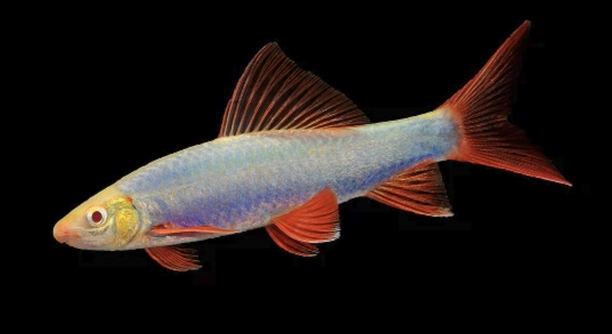
Rainbow sharks are popular aquarium fish known for their striking colors and peaceful nature. However, they can sometimes show signs of aggression, which may surprise their owners. Understanding what triggers this behavior can help maintain a calm and healthy tank environment.
Several factors can make rainbow sharks aggressive, including overcrowding, insufficient hiding spots, poor water quality, improper diet, sudden changes in their environment, presence of incompatible tank mates, and stress from constant disturbances. These elements disrupt their natural behavior and territorial instincts.
Recognizing these causes is key to creating a balanced home for your rainbow shark. Knowing what affects their mood helps prevent conflicts and promotes a peaceful aquarium atmosphere.
Overcrowding in the Aquarium
When too many fish share a tank, rainbow sharks can become aggressive. They are naturally territorial and need enough space to swim and claim their own area. Overcrowding limits their personal space and increases competition for food and hiding spots. This can cause stress and lead to fighting. Even if the tank looks big, the number of fish matters a lot. Giving each fish enough room helps reduce tension and aggressive behavior. It’s important to know the recommended tank size for rainbow sharks and stick to it. Adding too many fish not only upsets the balance but also affects water quality, which can further stress the fish. Observing the tank often helps catch signs of overcrowding early, so you can take action before aggression starts.
Overcrowding leads to stress and territorial fights, which can harm your rainbow shark’s health and overall tank harmony.
Making sure your rainbow shark has enough space reduces aggression. You can help by keeping fish numbers within safe limits. Proper tank maintenance and regular water changes also improve conditions, making your aquarium a calmer place for all fish. Keeping the environment stable lets your rainbow shark feel secure and less likely to act out aggressively.
Lack of Hiding Places
Rainbow sharks need places to hide and rest. Without enough cover, they feel exposed and vulnerable, which can increase their stress levels. This stress can show as aggressive behavior toward other fish. Plants, rocks, and decorations give them safe spots to retreat when they want to be alone. Providing hiding places helps mimic their natural environment and lowers tension in the tank. It also allows shy fish to escape from more dominant ones. A well-decorated aquarium keeps the fish calm and happy. Regularly checking that hiding spots are intact and accessible supports a peaceful atmosphere.
Hiding places reduce stress and help prevent aggression by giving your rainbow shark a safe retreat.
A tank with no places to hide leaves your rainbow shark feeling unsafe. These fish come from environments with plenty of cover, so replicating that is important. Add live or artificial plants, caves, and driftwood to create small shelters. These not only help your rainbow shark feel secure but also improve the tank’s appearance. When they have a spot to call their own, rainbow sharks are less likely to become aggressive. Remember to balance open swimming space with hiding areas so they don’t feel trapped. Giving them this balance promotes peaceful coexistence with other tank mates.
Poor Water Quality
Poor water quality can make rainbow sharks stressed and aggressive. High levels of ammonia, nitrites, or nitrates irritate their skin and gills. This discomfort often triggers defensive or hostile behavior toward other fish.
Keeping water clean is essential. Regular testing helps catch harmful chemicals early. Changing 20–30% of the water weekly removes waste and toxins. Proper filtration is also important to maintain stable water conditions. Avoid overcrowding and overfeeding to reduce waste buildup. When water quality suffers, rainbow sharks become more sensitive and prone to aggression, so maintaining a healthy tank environment is critical.
Besides chemical levels, temperature and pH also impact rainbow shark behavior. These fish prefer water between 72-79°F and slightly acidic to neutral pH (6.5-7.5). Sudden changes can stress them and cause aggression. Keep conditions stable for the best results.
Incompatible Tank Mates
Some fish don’t get along with rainbow sharks. Aggression can increase if tank mates are too small, overly aggressive, or too passive. Choosing compatible fish helps maintain peace in the aquarium.
Rainbow sharks do best with fish that are fast swimmers and similar in size. Avoid slow-moving, shy fish that may become targets. Also, avoid other territorial bottom dwellers to reduce competition. Research fish compatibility before adding new tank mates to avoid conflicts.
Proper tank setup and careful selection of companions reduce aggression risks. If aggression starts, separating aggressive fish or increasing hiding spaces can help restore calm. Maintaining a balanced community is key to your rainbow shark’s well-being.
Sudden Changes in Environment
Sudden changes in the tank can upset rainbow sharks quickly. Moving decorations, changing water temperature, or adding new fish without preparation causes stress. This stress can lead to aggressive behavior.
Keeping the tank stable and making gradual changes helps your fish feel safe. Sudden disruptions make rainbow sharks anxious and more likely to fight.
Improper Diet
Feeding rainbow sharks the wrong diet affects their mood and health. A poor diet lacking essential nutrients weakens their immune system and increases stress. This stress can make them aggressive toward other fish. A balanced diet with high-quality pellets, vegetables, and occasional protein treats keeps them healthy and calm. Avoid overfeeding, as excess food pollutes the tank and worsens water quality, adding to their stress. Paying attention to diet supports peaceful behavior and overall well-being in your rainbow shark.
Stress from Constant Disturbances
Frequent tapping on the glass or loud noises can stress rainbow sharks. Constant disturbance makes them feel threatened and defensive.
Limiting outside stressors helps keep your fish calm and less aggressive.
FAQ
Why is my rainbow shark chasing other fish?
Chasing is a natural behavior for rainbow sharks because they are territorial. They want to protect their space and feel threatened by other fish entering it. This behavior often happens when the tank is too small, overcrowded, or lacks hiding spots. Improving tank size and adding decorations can reduce chasing.
How can I tell if my rainbow shark is stressed?
Signs of stress include hiding more than usual, loss of color, rapid breathing, or aggression. They may also refuse to eat. Stress usually results from poor water quality, overcrowding, or sudden changes in their environment. Monitoring these signs helps catch problems early.
What should I feed my rainbow shark to keep it calm?
A balanced diet is important. Feed high-quality sinking pellets designed for bottom feeders. Supplement with vegetables like zucchini or peas and occasional protein sources such as bloodworms. Avoid overfeeding, as leftover food can pollute the water and cause stress.
Can tank mates cause aggression in rainbow sharks?
Yes, incompatible tank mates can trigger aggression. Small, slow, or shy fish may provoke defensive behavior. Similarly, other territorial bottom dwellers increase competition. Choosing peaceful, similar-sized fish helps maintain harmony.
How often should I change the water to keep aggression low?
Changing 20–30% of the water weekly is ideal. This keeps the water clean and reduces harmful chemicals that stress fish. Regular water changes improve overall tank health, making your rainbow shark less likely to act aggressively.
Will adding more hiding spots reduce aggression?
Yes, hiding spots provide security for rainbow sharks and other fish. They help fish escape conflicts and reduce stress. Use plants, rocks, caves, or driftwood to create safe areas. This helps keep the tank peaceful.
Is aggression a sign of illness in rainbow sharks?
Sometimes aggression can increase if a fish is sick or injured. Ill fish may act defensively or irritably. Watch for other signs like unusual swimming, discoloration, or lethargy. If illness is suspected, isolate the fish and treat accordingly.
Can sudden noises outside the tank affect my rainbow shark?
Yes, loud noises or vibrations near the tank can stress your fish. Stress makes them more prone to aggressive behavior. Try to place the tank in a quiet area and avoid tapping on the glass.
How do temperature changes impact rainbow shark behavior?
Rainbow sharks prefer stable temperatures between 72-79°F. Sudden drops or rises can stress them and cause aggression. Using a reliable heater and thermometer helps maintain a consistent environment.
What’s the best way to introduce new fish to a tank with rainbow sharks?
Introduce new fish slowly and carefully. Quarantine new arrivals before adding them to the main tank. Rearrange decorations slightly to break territorial claims before introducing newcomers. Monitor interactions closely to avoid aggression.
Final Thoughts
Taking care of a rainbow shark means paying close attention to its environment and behavior. These fish can be peaceful, but certain conditions make them more aggressive. Overcrowding, poor water quality, and lack of hiding spots are common reasons for this behavior. Making sure your tank is the right size and properly maintained helps keep your rainbow shark calm and healthy. Regular water changes and testing the water for harmful chemicals are important steps that support a peaceful tank. When the fish feels comfortable, it is less likely to act aggressively.
It is also important to choose the right tank mates for your rainbow shark. Not all fish get along well with them. Picking fish that are similar in size and temperament reduces fights and stress. Decorations like plants and caves give your fish places to hide and feel safe. Sudden changes in the tank, such as moving decorations or changing water temperature quickly, can upset the fish and make them more defensive. Taking your time when adjusting the tank helps your rainbow shark adjust better and stay calm.
Feeding your rainbow shark a balanced diet supports its health and mood. High-quality pellets made for bottom feeders, along with vegetables and occasional protein treats, keep your fish strong. Avoid overfeeding to prevent water pollution, which can cause stress and aggression. Finally, try to limit loud noises and tapping on the tank glass. These disturbances make your fish feel threatened. Creating a stable and peaceful environment benefits both your rainbow shark and its tank mates, making your aquarium a more enjoyable place to watch.

Hello,
If you enjoy the content that we create, please consider saying a "Thank You!" by leaving a tip.
Every little bit helps us continue crafting quality advice that supports the health, happiness, and well-being of pets around the world, for pets of all shapes, sizes, and species.
We really appreciate the kindness and support that you show us!