
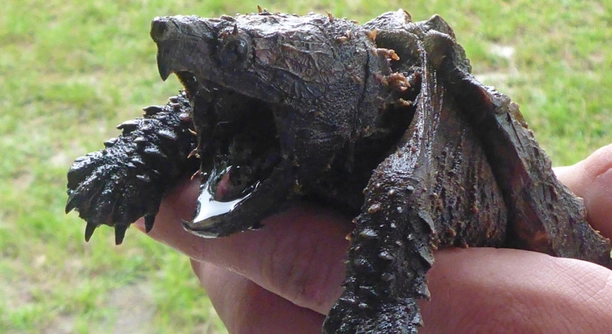
Caring for an alligator snapping turtle can be rewarding, but it’s important to know what can make them sick. These turtles have unique needs that require careful attention to ensure their health and well-being.
Several factors can contribute to an alligator snapping turtle’s illness, including poor water quality, improper diet, stress, infections, parasites, temperature fluctuations, and unsuitable tank conditions. Proper care can prevent most of these health issues.
Taking steps to avoid these problems will help keep your turtle healthy. Knowing what to watch out for can help prevent serious issues and ensure a long, happy life for your turtle.
Poor Water Quality
One of the main things that can make an alligator snapping turtle sick is poor water quality. These turtles live in freshwater and need clean water to stay healthy. Dirty water can lead to infections, parasites, and stress, which can weaken their immune system. If the water gets too dirty, harmful bacteria can grow, causing skin infections or internal problems. It is crucial to regularly clean their tank and maintain proper filtration. The water should be tested to ensure it has the right pH, temperature, and levels of ammonia, nitrites, and nitrates.
Regular water changes are important to keep the environment clean. You should aim to replace 20-30% of the water each week. Make sure the filter is working well to remove waste and bacteria. If you see the turtle acting lethargic or if its shell looks discolored, it might be a sign that the water quality is not ideal.
To prevent health issues, use a good filtration system and invest in water conditioners. Always monitor the water to ensure it remains clean and balanced. A healthy environment is key to keeping your alligator snapping turtle happy and disease-free.
Improper Diet
An improper diet is another common reason for sickness.
Alligator snapping turtles need a balanced diet consisting of protein, vegetables, and calcium. Without the right nutrients, they can suffer from malnutrition or other health problems. You should feed them a variety of foods, including fish, insects, and leafy greens.
Stress
Stress can make an alligator snapping turtle more susceptible to illness.
Turtles are sensitive to their environment, and sudden changes can cause stress. Overcrowding, loud noises, or too much handling can upset them. Stress weakens their immune system and can lead to serious health problems. To avoid this, give your turtle a calm, quiet space with plenty of hiding spots.
Make sure the tank is the right size and has enough room for the turtle to move freely. Avoid moving the tank around too much, as sudden shifts can stress them out. If your turtle becomes aggressive or refuses to eat, stress might be the cause. Keeping the environment peaceful is key to their well-being.
Infections
Infections can spread quickly and cause serious harm to alligator snapping turtles.
Bacterial and fungal infections are common in turtles, especially when their tank isn’t cleaned properly. These infections can lead to skin rashes, swollen eyes, and respiratory issues. If you notice your turtle having trouble breathing or spots on its shell, it’s time to act. Treating infections early can prevent them from getting worse.
Make sure the water temperature is consistent, as cold water can lower their immune system, making them more prone to infections. Keep an eye on their behavior and appearance. If your turtle starts acting sick, consult a vet as soon as possible. Treatment for infections often includes antibiotics or antifungal medications.
Parasites
Parasites can cause serious problems for alligator snapping turtles.
These turtles are vulnerable to internal and external parasites, such as worms and mites. Parasites can affect their health by causing digestive issues, skin problems, or fatigue. Regular health checks are important to catch parasites early and treat them before they cause major damage.
If your turtle seems lethargic, has abnormal bowel movements, or shows signs of weight loss, a parasitic infection might be the issue. A vet can perform tests and prescribe the necessary treatment, which often involves deworming medications or other anti-parasitic treatments.
Temperature Fluctuations
Temperature changes can stress your turtle and make it sick.
Alligator snapping turtles require a consistent water temperature to stay healthy. Too much heat or cold can affect their metabolism and make them more prone to illness. Keeping the tank temperature between 72°F and 78°F is ideal. Sudden drops or increases can cause health issues.
Unsuitable Tank Conditions
An improper tank setup can lead to poor health.
If your turtle’s tank is too small or lacks proper filtration, it can result in poor water quality and high stress levels. Turtles need a place to swim, bask, and hide, so ensure the tank is large enough and has proper decorations to mimic their natural habitat.
FAQ
How often should I clean my alligator snapping turtle’s tank?
You should clean your alligator snapping turtle’s tank at least once a week. This includes changing 20-30% of the water and cleaning the filter. If the tank has more than one turtle or if you notice more waste buildup, you may need to clean it more often. Regular maintenance helps maintain water quality and prevent illness.
What should I feed my alligator snapping turtle?
Alligator snapping turtles need a balanced diet of protein and vegetables. They typically eat fish, insects, and crustaceans in the wild, but you can also feed them earthworms, shrimp, and small fish in captivity. Include some leafy greens, such as lettuce or kale, to provide additional nutrients. Avoid feeding them only one type of food to ensure they get the right variety of vitamins and minerals.
Can alligator snapping turtles live in a tank with other turtles?
It’s possible, but you need to be cautious. Alligator snapping turtles are solitary and can become aggressive toward other turtles, especially smaller ones. If you decide to keep multiple turtles, make sure the tank is large enough for them to have their own space. Pay attention to any signs of aggression or stress, and be ready to separate them if necessary.
How can I tell if my turtle is sick?
Signs that your turtle may be sick include lethargy, lack of appetite, discolored or swollen eyes, abnormal swimming patterns, or visible spots on their shell. If you notice any of these symptoms, it’s important to take them to a vet. Early detection and treatment can prevent more serious health issues.
How do I keep the water temperature stable for my turtle?
To maintain the right water temperature for your turtle, use a reliable aquarium heater and thermometer. The ideal temperature range for alligator snapping turtles is between 72°F and 78°F. Make sure the heater is positioned correctly and that the water temperature is consistent throughout the tank. Avoid drastic temperature changes.
What size tank does an alligator snapping turtle need?
Alligator snapping turtles grow large, so they need a spacious tank. A single adult turtle should have a tank that is at least 100 gallons in size. Larger tanks are always better, as they allow the turtle to move around freely and provide more stable water conditions. You should also ensure the tank has both swimming space and a basking area.
Is it okay to handle my alligator snapping turtle?
Handling your alligator snapping turtle should be kept to a minimum. These turtles are not social animals and may feel stressed when touched too often. If you need to move your turtle, be gentle and avoid handling it for long periods. Stress from handling can affect their health.
How do I prevent parasites in my turtle?
To prevent parasites, keep the tank clean and maintain good water quality. Avoid introducing new animals or plants to the tank without properly quarantining them first. Regular health check-ups from a vet can help catch parasites early. If you suspect an infection, seek veterinary treatment immediately.
What is the best way to provide UVB lighting for my turtle?
Alligator snapping turtles need UVB lighting for proper calcium absorption and overall health. Use a UVB bulb designed for reptiles and place it above the basking area. Make sure the light is on for 10-12 hours a day. Change the bulb every 6-12 months, as UVB output decreases over time.
Can alligator snapping turtles live outside?
Alligator snapping turtles can live outside in warm climates, provided they have a secure outdoor enclosure with access to water, shade, and a basking area. The enclosure should be escape-proof and predator-safe. If you live in a colder climate, it’s better to keep them indoors to avoid temperature fluctuations.
Do alligator snapping turtles need a basking spot?
Yes, alligator snapping turtles need a basking area to help regulate their body temperature. They use the basking spot to dry off, absorb UVB light, and maintain good health. Ensure the basking area is easy for your turtle to access and provide a heat lamp to maintain the right temperature.
How can I treat an infection in my alligator snapping turtle?
If you notice signs of infection, such as swollen eyes, sores, or difficulty breathing, take your turtle to the vet as soon as possible. The vet may prescribe antibiotics or other medications to treat the infection. It’s important to follow the vet’s instructions carefully to ensure the infection is properly treated.
What should I do if my turtle stops eating?
If your alligator snapping turtle refuses to eat, check the water temperature, quality, and overall tank conditions. Stress, illness, or improper water conditions are common causes for a loss of appetite. If the problem persists for more than a few days, consult a vet to rule out any health issues.
Can I feed my alligator snapping turtle store-bought pellets?
Store-bought pellets can be used as a supplement but should not be the primary food source. Pellets often lack the variety of nutrients your turtle needs. Offer a mix of natural foods such as fish, insects, and vegetables to ensure they get a well-rounded diet.
Final Thoughts
Taking care of an alligator snapping turtle requires attention to their specific needs, from water quality to diet. These turtles are sensitive creatures that thrive in a clean, calm environment. Proper care can prevent many health problems and help your turtle live a long, healthy life. Regular tank maintenance, a balanced diet, and monitoring their behavior will ensure they stay in good condition.
One of the most important aspects of caring for these turtles is keeping the water clean and properly filtered. Poor water quality can lead to many health issues, including infections and parasites. Regular water changes and using a reliable filtration system are essential. Additionally, making sure the water temperature stays consistent will help maintain your turtle’s overall health. It’s also important to provide a basking area, as this helps with their digestion and calcium absorption.
Lastly, stress can negatively impact your turtle’s immune system and lead to various health issues. Avoid overhandling and ensure the tank environment is calm and spacious. A turtle’s diet should be varied, with a mix of protein, vegetables, and calcium-rich foods. By staying observant and addressing any changes in their behavior or appearance, you can prevent many of the common health problems that affect alligator snapping turtles. With proper care, these fascinating creatures can thrive for many years.

Hello,
If you enjoy the content that we create, please consider saying a "Thank You!" by leaving a tip.
Every little bit helps us continue crafting quality advice that supports the health, happiness, and well-being of pets around the world, for pets of all shapes, sizes, and species.
We really appreciate the kindness and support that you show us!