
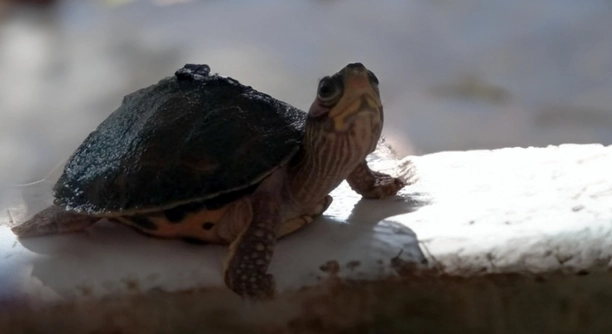
The Indian roofed tortoise is a charming aquatic pet, but maintaining its habitat can sometimes be tricky. One of the challenges you may face is cloudy water. Understanding the reasons behind this can help you keep your tortoise healthy and happy.
Cloudy water in an Indian roofed tortoise’s habitat is often caused by poor filtration, overfeeding, or excess waste. Uneaten food, bacteria, or algae overgrowth can contribute to this problem, creating an unhealthy environment for your tortoise.
Managing the cleanliness of your tortoise’s habitat involves more than just regular water changes. By paying attention to key factors, you can ensure that your tortoise enjoys a clean and safe space.
Poor Filtration System
A poor filtration system is one of the main reasons why your tortoise’s water turns cloudy. Without proper filtration, debris, uneaten food, and waste build up in the tank, leading to murky water. Even the best filters can get overwhelmed, especially in smaller tanks, where waste accumulates faster. If your filter isn’t functioning properly or is too weak for the size of your tank, it won’t be able to clean the water efficiently.
Checking and maintaining your filtration system regularly is essential. Make sure it’s appropriate for the size of your tank and that it’s running smoothly. If the filter has become clogged, clean or replace it.
Sometimes, just cleaning the filter isn’t enough. In this case, you might need to upgrade your filtration system to one with a higher capacity. You may also consider adding a second filter to handle the load, especially if your tortoise’s tank has a heavy bio-load.
Overfeeding and Leftover Food
Overfeeding your tortoise can lead to cloudy water quickly. When too much food is given, a lot of it is often left uneaten and sinks to the bottom. These leftovers rot in the water, creating harmful bacteria and contributing to cloudiness.
To avoid overfeeding, make sure to only provide the amount your tortoise can consume within a few minutes. Also, remove any uneaten food as soon as possible to prevent it from breaking down in the tank.
Feeding your tortoise a balanced diet is crucial. Offering too much high-protein food, such as meat or fish, can add excess waste to the water. Sticking to appropriate portions will not only keep the water cleaner but also prevent any health issues related to overfeeding. Keeping the water clear will benefit both your tortoise’s health and the environment in which it lives.
Lack of Regular Tank Maintenance
If you don’t clean your tortoise’s tank regularly, waste, algae, and bacteria can quickly build up, leading to cloudy water. Even with a filtration system, regular maintenance is key to keeping the water clean.
You should aim to do a partial water change at least once a week. Scrub the walls of the tank to remove any algae and dirt. Clean the decorations and remove any visible waste. This will help reduce the build-up of debris and keep the water clearer.
Routine water testing is also important. Check for high levels of ammonia or nitrate, which can build up over time and contribute to cloudy water. Testing the water regularly can alert you to any changes in water quality, so you can address issues before they worsen.
Poor Water Quality
Water quality plays a huge role in keeping your tortoise’s environment clean. Tap water may contain chlorine, heavy metals, or minerals that can affect both your tortoise’s health and the clarity of the water.
Using dechlorinated water or water from a more suitable source can help prevent the cloudiness caused by poor water quality. Adding a water conditioner can neutralize harmful substances and make the water safer for your tortoise.
In some areas, tap water quality may not be ideal for aquatic pets, so it’s worth looking into water filtration systems for your tank. Consider using a reverse osmosis system or another high-quality water filtration solution to ensure the water stays clean and healthy for your tortoise.
Algae Overgrowth
Algae can quickly take over a tank, turning the water cloudy and creating an unhealthy environment for your tortoise. Excessive light exposure and high nutrient levels often trigger algae growth.
To manage algae, limit the amount of direct sunlight your tank receives. Clean any algae off the tank walls regularly. Using a timer for lights can help control algae growth by ensuring they don’t stay on too long.
If algae continues to be a problem, consider adding algae-eating creatures like snails or shrimp to help maintain balance in the tank. This can prevent it from getting out of hand.
Excessive Bacteria
Excess bacteria can make the water cloudy and lead to a harmful environment for your tortoise. Bacteria thrive in dirty water, especially when there’s excess food or waste in the tank.
To keep bacterial levels in check, clean the tank and change the water regularly. Over time, a buildup of bacteria can affect your tortoise’s health, so addressing this quickly is important.
Proper filtration and water management can prevent bacteria from reaching dangerous levels. Regular water testing can help you stay ahead of any potential issues.
Inadequate Tank Size
An undersized tank can make it harder to maintain clear water. If the tank is too small for your tortoise, waste and food buildup faster, overwhelming the filtration system.
Providing a larger tank can help reduce the chances of cloudy water by allowing for better water circulation. More space also means less waste accumulation, making the filtration system more effective in maintaining water quality.
FAQ
What should I do if my Indian Roofed Tortoise’s water is still cloudy after cleaning?
If the water remains cloudy after cleaning, it could be due to lingering waste or an inefficient filtration system. Check the filter to make sure it’s working properly and is suitable for the size of the tank. If it’s clogged, clean or replace it. Additionally, ensure the tank is large enough for your tortoise to prevent overcrowding, which can cause quicker water pollution.
Can I use tap water for my tortoise’s tank?
Tap water can contain chlorine, chloramine, and other chemicals that are harmful to your tortoise. It’s best to use water that has been dechlorinated or use a water conditioner to neutralize these chemicals. If your tap water has high mineral content, it may affect water clarity and your tortoise’s health.
How often should I change the water in my tortoise’s tank?
It’s recommended to do a partial water change once a week to maintain clean water. However, if you notice cloudy water more frequently, you may need to change the water more often. Always remove any uneaten food or waste to prevent them from decaying in the tank.
How do I prevent algae from growing in my tortoise’s tank?
Algae thrive in tanks with excess light and nutrients. To prevent algae, keep your tank in a location where it won’t get too much direct sunlight. Limit the tank lights to around 10-12 hours a day. Regular cleaning of the tank, as well as using an algae scraper, can help manage algae growth.
Can I use a UV filter for my tortoise’s tank?
A UV filter can be helpful in controlling algae and bacteria growth. It works by using ultraviolet light to kill harmful microorganisms and prevent them from multiplying. However, it shouldn’t be relied on solely—regular maintenance, including water changes and proper filtration, is also necessary to keep the water clean.
Is it normal for the water to become cloudy after feeding my tortoise?
Yes, it can be normal for the water to become cloudy after feeding, especially if there’s leftover food. Uneaten food can rot in the tank, leading to cloudy water. Always remove any uneaten food after feeding your tortoise. Overfeeding can also cause excessive waste and contribute to water cloudiness.
Why does my tortoise’s water look cloudy after a few days?
Cloudy water after a few days could be due to a few factors, including bacteria buildup, excess waste, or an inadequate filtration system. Make sure you are performing regular tank maintenance, such as cleaning the filter, removing uneaten food, and changing the water weekly.
Can adding plants help keep my tortoise’s water clean?
Yes, live plants can help maintain water quality by absorbing excess nutrients, such as nitrates, and providing natural filtration. Plants like water lettuce or anacharis can also provide hiding spaces for your tortoise, reducing stress. However, you still need to maintain a proper filtration system and regularly clean the tank.
How do I know if my tortoise’s water is safe to swim in?
Testing the water for ammonia, nitrites, and nitrates will help determine if it’s safe. High levels of these chemicals indicate poor water quality and can harm your tortoise. Regular water testing kits are available and should be used to monitor the water condition, especially if you’re experiencing cloudy water.
What temperature should my tortoise’s tank water be?
Indian Roofed Tortoises prefer water that’s between 75°F and 85°F (24°C – 29°C). Water that’s too cold or too hot can stress your tortoise and affect its overall health. Use a water heater to maintain the proper temperature, and check the water regularly with a thermometer.
Are there any natural methods to clean the tank?
Yes, there are natural ways to help clean the tank, such as using natural algae-eating creatures like snails or shrimp. These can help manage algae overgrowth and keep the water clearer. You can also use a mix of vinegar and water to clean decorations and tank walls, but be sure to rinse thoroughly afterward.
Should I add a filter to my tortoise’s tank if I don’t already have one?
Yes, a filter is essential for keeping the water clean and preventing waste buildup. It helps maintain proper water circulation, removes debris, and reduces the growth of harmful bacteria. Make sure the filter is appropriate for the size of the tank and the number of tortoises you have.
What happens if I ignore cloudy water in my tortoise’s tank?
Ignoring cloudy water can lead to poor water quality, which can affect your tortoise’s health. It can cause skin and eye irritation and even increase the risk of bacterial or fungal infections. Over time, the buildup of waste can make the environment unsuitable for your tortoise, leading to stress and health issues.
How can I reduce waste in my tortoise’s tank?
Reducing waste involves proper feeding practices, such as only giving your tortoise the right amount of food that can be consumed in a few minutes. Removing any leftover food after each feeding is also crucial. Additionally, using a well-maintained filtration system will help manage waste by filtering out debris.
Can a cloudy tank water affect my tortoise’s health?
Yes, cloudy water can harm your tortoise if it’s left untreated. Bacteria and harmful microorganisms thrive in dirty water, which can cause infections or diseases. Cloudy water can also stress your tortoise, affecting its immune system and overall health. Regular tank maintenance is necessary to avoid these risks.
Final Thoughts
Maintaining clean water for your Indian Roofed Tortoise is essential for its health and well-being. Cloudy water is often a sign of underlying issues, such as poor filtration, overfeeding, or inadequate tank maintenance. When left unchecked, these problems can lead to harmful bacteria and poor water quality, which can cause stress or health problems for your tortoise. By understanding the common causes of cloudy water, you can take steps to fix the issue and provide a better environment for your pet. Regular water changes, cleaning, and monitoring your filtration system are crucial for keeping your tortoise’s tank in top condition.
It’s also important to consider the water quality itself. Using water that has been treated to remove chlorine and other harmful chemicals is a simple yet effective way to improve the tank environment. Even if you have a filtration system, tap water may still contain substances that are harmful to your tortoise. To avoid this, dechlorinate the water or use a conditioner designed for reptile tanks. In some cases, water testing can also help you understand the chemical balance in your tank, allowing you to address any potential issues before they cause harm to your tortoise.
Finally, maintaining the right balance of care and attention is key to keeping your tortoise happy and healthy. While cleaning the tank and ensuring proper filtration are necessary steps, feeding your tortoise the right amount of food and managing its waste are equally important. Overfeeding can quickly lead to cloudy water, as excess food and waste build up in the tank. By adjusting your feeding routine and ensuring that the water stays clean, you will create a healthier environment for your tortoise to thrive. Regular checks and maintenance will make all the difference in providing a safe and clean habitat for your pet.

Hello,
If you enjoy the content that we create, please consider saying a "Thank You!" by leaving a tip.
Every little bit helps us continue crafting quality advice that supports the health, happiness, and well-being of pets around the world, for pets of all shapes, sizes, and species.
We really appreciate the kindness and support that you show us!