
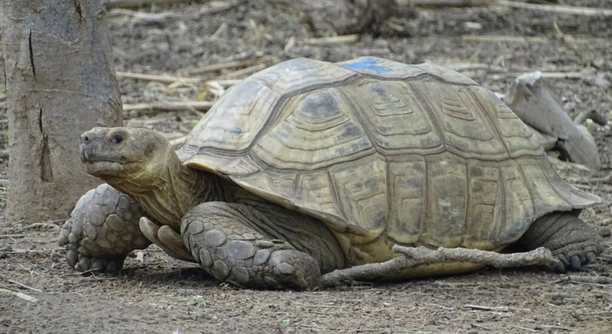
Tortoises are gentle creatures, but certain factors can cause them to feel stressed and anxious. Understanding these factors is essential for ensuring their well-being. In this article, we’ll explore the seven main causes of tortoise anxiety.
Tortoise anxiety often arises from environmental changes, poor diet, insufficient space, lack of proper lighting, or exposure to excessive noise. These stressors can lead to behavioral changes and health issues. Addressing these causes can help alleviate anxiety and improve their quality of life.
By addressing these issues, you can help your tortoise feel more comfortable and at ease in its environment.
Environmental Stress
Tortoises are sensitive to changes in their environment. Moving them to a new habitat, introducing new objects, or altering their surroundings can lead to stress. These changes can make them feel unsafe or disoriented. It’s important to keep their habitat stable and consistent, as this helps them feel secure. For instance, sudden shifts in temperature or lighting can cause anxiety. Tortoises thrive in stable environments that mimic their natural surroundings. It’s best to limit any abrupt alterations to their environment to avoid unnecessary stress.
The key is maintaining a consistent temperature, humidity, and light. If your tortoise feels that its space is changing too much, it may become anxious and exhibit signs of stress, such as not eating or hiding.
If you are moving your tortoise, try to recreate its original environment as much as possible. This can help ease the transition and reduce the risk of anxiety. Consistency is key to a healthy and comfortable tortoise life.
Inadequate Diet
Diet plays a significant role in tortoise health and behavior. Poor nutrition can cause physical stress and may lead to anxiety. A diet that lacks essential nutrients or includes foods that are difficult to digest can result in discomfort for your tortoise. It’s essential to provide a well-balanced diet with the right mix of vegetables, fruits, and grasses that are safe for them.
Tortoises need to consume the proper food to maintain a healthy digestive system. Incorrect food choices may cause gastrointestinal issues that can stress them out. For example, feeding them too many high-protein foods can create digestive imbalances.
If your tortoise is not getting the right nutrients, you may notice behavioral changes like lethargy or irritability. Adjusting their diet to ensure it is balanced can help alleviate these issues and prevent further anxiety. Make sure to research what specific types of food are best for your tortoise species to avoid potential stressors related to their diet.
Lack of Space
Tortoises need plenty of space to roam and explore. A cramped enclosure can cause stress and anxiety, leading to physical and behavioral problems. Make sure your tortoise has enough room to move around freely.
When setting up an enclosure, ensure it is large enough for your tortoise to stretch out and explore. A lack of space can cause frustration, as tortoises naturally wander in the wild. The more space you provide, the more content your tortoise will be.
Tortoises need room not only to move but also to hide when they feel vulnerable. Without enough space, they may become anxious or act out. A larger enclosure allows them to express natural behaviors and reduces the likelihood of stress-related health issues.
Improper Lighting
Tortoises rely on proper lighting to maintain their health. If they don’t receive the right UVB light, their shells and bones can suffer. Inadequate lighting is a common stressor for tortoises.
UVB light is necessary for a tortoise to metabolize calcium properly. Without it, they can develop shell deformities and weakened bones. This creates an environment where your tortoise may feel vulnerable, leading to stress.
Be sure to provide both UVB light and heat lamps, ensuring that the temperature and lighting closely resemble what they would experience in the wild. This will help prevent anxiety related to improper lighting and promote overall well-being. Make regular adjustments to ensure they’re getting the right exposure.
Excessive Noise
Tortoises are sensitive to loud sounds. Constant noise or unexpected sounds can make them anxious, causing them to hide or become withdrawn. It’s best to keep their environment as quiet as possible.
Even everyday sounds can stress a tortoise if they are too loud or sudden. For example, loud voices, music, or household appliances can disturb them.
Try to place your tortoise’s enclosure in a quiet area of your home, away from heavy traffic or noise. This will help them feel more secure and comfortable in their environment. A calm space will allow your tortoise to thrive.
Handling Stress
Overhandling or rough treatment can make a tortoise anxious. It is important to handle them gently and sparingly. Too much interaction can cause stress.
When handling your tortoise, always be slow and gentle. If they seem uncomfortable, put them down and let them retreat to their safe space. Frequent handling can lead to anxiety, and some tortoises may not enjoy being touched at all. Respecting their boundaries can reduce stress significantly.
Changes in Routine
Tortoises are creatures of habit. Sudden changes in their daily routine can lead to anxiety. Feeding times, light schedules, and even cleaning routines should stay consistent to keep them at ease.
Maintaining a predictable routine helps your tortoise feel safe and reduces stress. Tortoises rely on a stable routine to manage their day-to-day activities. Shifting their schedule frequently can create confusion and unease, leading to behavioral issues. Keep their routine as consistent as possible to avoid unnecessary stress.
FAQ
What are the signs that my tortoise is anxious?
An anxious tortoise may display several signs, such as hiding more often, loss of appetite, or becoming unusually aggressive. They might retreat into their shell frequently or move less than usual. If your tortoise is shaking or appears lethargic, stress could be the cause. Pay attention to these changes, as they can indicate discomfort or fear.
How can I create a stress-free environment for my tortoise?
To create a stress-free environment, ensure that your tortoise’s enclosure is large enough, quiet, and free from sudden changes. Provide consistent lighting, temperature, and humidity. Use UVB light to mimic natural sunlight, and maintain a proper diet. Avoid overcrowding the enclosure and offer hiding spots for comfort.
Can I interact with my tortoise regularly?
While it’s important to interact with your tortoise, too much handling can stress them out. Handle your tortoise gently and limit physical contact. Only take them out of their enclosure when necessary, such as for cleaning or occasional exploration. Respecting their boundaries helps reduce anxiety.
What type of lighting does my tortoise need?
Your tortoise requires both UVB and heat lighting. UVB light helps them synthesize vitamin D3, essential for calcium absorption, which is important for shell and bone health. Make sure the light source is positioned correctly, providing both heat and UVB, and replace bulbs regularly as they lose their effectiveness over time.
How can I tell if my tortoise’s diet is causing stress?
If your tortoise is experiencing digestive issues, such as diarrhea or constipation, this could be a sign that their diet is not suitable. Stress can also manifest as loss of appetite or excessive hiding. Ensure you are offering a balanced diet based on your tortoise’s species, consisting mainly of leafy greens, grasses, and occasional fruits.
How much space does a tortoise need?
Tortoises need a spacious area to roam. A general guideline is at least 10 square feet for smaller species, with larger species requiring even more. The more space they have to explore, the less stressed they will feel. Avoid placing your tortoise in a cramped environment as this can lead to anxiety and health issues.
Is it okay to keep multiple tortoises together?
While it’s possible to keep multiple tortoises together, be cautious. Some tortoises may become territorial, especially if the space is limited. Observe how they interact, and if aggression or stress signs occur, separate them. Some species are more social, while others prefer solitary living. Research the specific needs of your tortoise species before introducing another.
How does temperature affect my tortoise’s stress?
Temperature is a crucial factor in your tortoise’s comfort. Too cold or too hot an environment can lead to stress and even illness. A proper temperature gradient is essential, with a warm basking area and a cooler zone. Always monitor the temperature regularly to ensure it is within the ideal range for your tortoise species.
Can too much noise stress my tortoise?
Yes, excessive noise can be a significant stressor. Tortoises have sensitive hearing, and loud or sudden sounds can startle them. Keep their enclosure in a quiet area of your home, away from busy, noisy spaces. This will help your tortoise feel more secure and reduce anxiety.
How often should I clean my tortoise’s enclosure?
Cleaning your tortoise’s enclosure is important for their health, but be careful not to disrupt their routine too frequently. Clean their enclosure once a week or as needed, ensuring that you remove waste and any uneaten food. Be gentle and allow your tortoise to have a safe space to retreat to during cleaning.
Why is my tortoise hiding more than usual?
Hiding is a natural behavior for tortoises, especially when they are feeling stressed or anxious. If your tortoise is hiding more than usual, it could be due to environmental changes, noise, or other stressors. Ensure their habitat is stable, and give them a quiet space to retreat to when they need it.
Final Thoughts
Taking care of a tortoise requires careful attention to their environment and well-being. Tortoises are sensitive animals, and small changes in their surroundings or routine can cause stress and anxiety. By understanding their needs, such as proper space, lighting, and diet, you can create a comfortable and safe space for them. Regularly monitoring their behavior and responding to signs of stress will help ensure their health and happiness.
One of the most important aspects of tortoise care is maintaining a stable and predictable routine. Tortoises thrive on consistency, so any sudden changes, such as shifts in their feeding schedule, lighting, or handling, can make them anxious. Keeping their environment quiet and calm, with plenty of space to roam and explore, allows them to feel secure. This will not only reduce stress but also improve their overall health.
In conclusion, keeping a tortoise happy and healthy involves more than just feeding and cleaning. It requires understanding their natural behaviors and creating an environment that supports those needs. With patience and care, you can help your tortoise live a stress-free life, making sure they have the space, routine, and attention they deserve. By paying attention to these key factors, your tortoise will have a long and comfortable life as part of your home.

Hello,
If you enjoy the content that we create, please consider saying a "Thank You!" by leaving a tip.
Every little bit helps us continue crafting quality advice that supports the health, happiness, and well-being of pets around the world, for pets of all shapes, sizes, and species.
We really appreciate the kindness and support that you show us!