
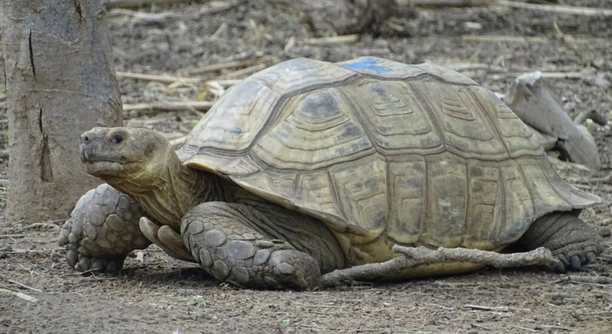
Is your sulcata tortoise showing unexpected signs of aggression? These usually calm reptiles can sometimes display defensive or hostile behaviors, leaving owners wondering what might be causing the change. Understanding the reasons behind this aggression can help in managing their behavior.
Sulcata tortoises can become aggressive due to factors such as territorial disputes, improper handling, stress, inadequate space, mating behaviors, competition for food, and health issues. Identifying these triggers allows owners to create a suitable environment that reduces stress and prevents aggressive tendencies.
Recognizing these causes will help ensure a safer and more comfortable habitat for your tortoise. Addressing these issues can improve their well-being and promote a more peaceful interaction with their surroundings.
Territorial Behavior
Sulcata tortoises can become aggressive when they feel their space is being invaded. Males, in particular, may display dominance by ramming or pushing other tortoises. In captivity, limited space can heighten this behavior, especially if multiple tortoises are housed together. They need a large enclosure to establish their territory properly. If their habitat feels too small, they may react defensively to perceived threats. Even interactions with their owners can trigger territorial responses, especially during feeding time. Providing ample space and minimizing competition can help reduce stress and prevent aggressive behaviors.
A tortoise that constantly bumps into objects or other animals may be showing signs of territorial stress. This behavior can escalate if not managed properly. Ensuring a spacious enclosure with clear boundaries can help.
Observing your tortoise’s behavior can help you recognize territorial aggression early. Making adjustments to their habitat can create a more comfortable and stress-free environment.
Improper Handling
Handling a sulcata tortoise incorrectly can lead to stress and defensive reactions. These tortoises prefer minimal interaction and can feel threatened if lifted suddenly or restrained too tightly. Respecting their boundaries can prevent unnecessary stress and aggressive responses.
Tortoises are not naturally inclined to enjoy being handled. Picking them up too often or approaching them abruptly can make them feel vulnerable. If they feel unsafe, they may react by pulling into their shell, hissing, or even attempting to bite. Over time, repeated stressful encounters can make them more defensive. If handling is necessary, it should be done gently and with proper support to prevent discomfort.
Giving them time to adjust to your presence is key. Approaching them slowly and allowing them to observe you from a safe distance helps build trust. A calm and predictable environment will reduce stress and create a more relaxed tortoise.
Stress and Environmental Changes
Sudden changes in a tortoise’s environment can lead to stress-induced aggression. Loud noises, new pets, or frequent disruptions can make them feel insecure. A stable and predictable habitat is essential for keeping them calm and reducing defensive behaviors.
Tortoises rely on routine, and any major shift can make them feel uneasy. Moving to a new enclosure, changes in lighting, or alterations to their habitat layout can cause distress. Even temperature fluctuations can contribute to irritability. If a tortoise feels uncomfortable, it may become more defensive, retreating into its shell or showing signs of aggression when approached. Ensuring a consistent environment with proper temperature, humidity, and hiding spots can help maintain their well-being.
Observing behavioral changes can help identify stress triggers. If your tortoise becomes restless, paces excessively, or stops eating, environmental factors could be to blame. Adjusting their surroundings to be more stable and predictable will help them feel secure.
Mating Behavior
Male sulcata tortoises often become more aggressive during mating season. They may exhibit ramming, pushing, or even biting as part of their natural behavior. This aggression is typically directed at other tortoises but can extend to objects or even their owners if they feel particularly territorial.
Their drive to compete can make them more reactive. In the wild, males establish dominance by challenging others for mates. In captivity, limited space can intensify these instincts, leading to more frequent aggressive interactions. If housing multiple tortoises, providing ample space and separating individuals when necessary can prevent unnecessary conflicts. Managing these behaviors with proper enclosures and careful monitoring is essential.
Understanding seasonal aggression can help you anticipate changes in their behavior. If your tortoise becomes more active, restless, or territorial during certain times of the year, it may be linked to mating instincts. Providing a calm environment and reducing competition can help minimize stress-related aggression.
Competition for Food
Limited food availability can cause aggression in sulcata tortoises. When multiple tortoises share a space, they may compete for meals, leading to pushing or snapping. Ensuring each tortoise has access to its own portion can help minimize these conflicts and create a more peaceful feeding environment.
Tortoises may also become food-aggressive if they associate people with feeding. If they rush toward you or try to bite when food is present, it is a sign of excitement mixed with territorial instincts. Spacing out meals and offering food in different areas can prevent excessive competition.
Inadequate Space
A cramped enclosure can increase stress and aggression in sulcata tortoises. These tortoises require a large space to roam freely. If their environment is too small, they may feel confined, leading to defensive or territorial behaviors. Providing a spacious outdoor area allows them to move comfortably and reduces frustration.
Health Issues
Pain or illness can make a tortoise more irritable. If they suddenly become aggressive, it may be a sign of an underlying health problem. Discomfort from respiratory infections, metabolic bone disease, or injuries can lead to defensive behaviors. Monitoring for changes in activity and appetite can help identify potential health concerns early.
FAQ
What should I do if my sulcata tortoise becomes aggressive?
If your tortoise becomes aggressive, it’s important to assess the cause. First, check for any environmental stressors, such as limited space, temperature changes, or disturbances. Ensure they have a large, secure space to roam. If aggression is linked to improper handling, adjust your approach to be more gentle and gradual. If aggression persists, consider separating them from other tortoises or animals, especially if territorial disputes are the issue.
Can aggression be caused by a lack of food?
Yes, competition for food can lead to aggression in sulcata tortoises. If multiple tortoises are sharing the same space, ensure each one has enough food. Offering food in separate areas can prevent them from fighting. Overcrowding and competition can make them more territorial during feeding.
How do I know if my tortoise is stressed?
Signs of stress in sulcata tortoises include restlessness, loss of appetite, or excessive pacing. Stress can be caused by environmental factors like a sudden change in temperature or habitat, loud noises, or being handled too often. Watching for these signs and addressing their environment accordingly can help reduce stress.
Can sulcata tortoises bite?
Yes, sulcata tortoises can bite, especially if they feel threatened or cornered. Their bites are not typically dangerous but can cause discomfort or minor injury. If a tortoise bites during handling, it may be a sign that they feel insecure or stressed. Handling them gently and reducing stressors can help minimize biting behavior.
Is it normal for a male sulcata tortoise to be more aggressive?
Male sulcata tortoises are naturally more aggressive, especially during the breeding season. They may display territorial behaviors such as ramming or pushing. This aggression is often linked to mating instincts and dominance. Ensuring they have enough space and are not competing with other males can help reduce these behaviors.
How can I reduce aggression during mating season?
To reduce aggression during mating season, provide plenty of space for your tortoises. Separate males from other males to prevent competition. If possible, limit their interactions with females until the season has passed. Keeping their environment stable and undisturbed can also help reduce stress and territorial behavior.
Can I keep more than one sulcata tortoise together?
Yes, but it requires careful management. Sulcata tortoises can be territorial, especially males, so housing multiple tortoises in a shared space can lead to aggression. Ensure the enclosure is large enough for each tortoise to have its own space. Watch for signs of aggression and be prepared to separate them if necessary.
What is the ideal size for a sulcata tortoise’s enclosure?
The ideal enclosure size for an adult sulcata tortoise is at least 100 square feet. They need room to roam, graze, and establish territory. A larger space helps reduce territorial aggression. Providing access to outdoor areas, if possible, will also improve their overall well-being.
Do sulcata tortoises get aggressive with humans?
Generally, sulcata tortoises are not aggressive toward humans unless they feel threatened or stressed. Improper handling, sudden movements, or being confined in a small space can trigger defensive behaviors. With proper care and handling, sulcata tortoises can live peacefully with their owners.
Can a sulcata tortoise’s aggression be a sign of illness?
Aggression can sometimes be a symptom of illness, particularly if the tortoise is in pain or discomfort. If your tortoise becomes more irritable or defensive suddenly, check for other signs of illness such as lethargy, loss of appetite, or difficulty moving. Consult a veterinarian if you suspect health issues.
How can I prevent my sulcata tortoise from becoming aggressive?
Preventing aggression involves creating a comfortable and secure environment for your tortoise. Ensure they have enough space to roam and establish territory. Avoid frequent handling and be gentle when you do interact. Monitor their health regularly and address any stressors or environmental changes promptly.
Is it safe to handle a sulcata tortoise when it’s aggressive?
Handling a sulcata tortoise when it’s displaying aggressive behavior can be risky. If they are biting, hissing, or retreating into their shell, it’s best to give them space. Aggressive behavior is often a sign that they feel threatened. Allow them to calm down before handling them again.
Can female sulcata tortoises become aggressive?
While female sulcata tortoises tend to be less aggressive than males, they can still display defensive behaviors, especially when they feel their space is threatened. During the breeding season, females may become more territorial. Ensuring plenty of space and reducing stressors can help keep them calm.
How long does sulcata tortoise aggression last?
The duration of aggression depends on the underlying cause. If it’s due to territorial disputes or stress, aggression may subside once the stressors are removed. Mating-related aggression typically lasts for the duration of the breeding season. With proper care, the aggression can decrease over time.
Final Thoughts
Sulcata tortoises can become aggressive for various reasons, often related to stress, territoriality, or competition. Understanding these causes is essential in addressing their behavior. By providing them with a proper environment, enough space, and regular care, many aggression-related issues can be prevented or minimized. Being proactive in managing their habitat and health will help reduce stress and, in turn, the likelihood of aggression.
It’s important to recognize when aggression may be linked to a deeper issue, such as health problems or discomfort. If a tortoise is becoming increasingly aggressive and you notice other symptoms, such as lethargy or loss of appetite, seeking veterinary advice is recommended. Addressing any underlying health issues promptly can improve your tortoise’s overall well-being and reduce the likelihood of aggression.
Creating a peaceful and healthy environment for your sulcata tortoise requires attention to their needs. Proper nutrition, ample space, and a stable living environment go a long way in preventing unnecessary stress. By respecting their natural behaviors and tendencies, you can ensure your sulcata tortoise remains calm and content in its home.

Hello,
If you enjoy the content that we create, please consider saying a "Thank You!" by leaving a tip.
Every little bit helps us continue crafting quality advice that supports the health, happiness, and well-being of pets around the world, for pets of all shapes, sizes, and species.
We really appreciate the kindness and support that you show us!