
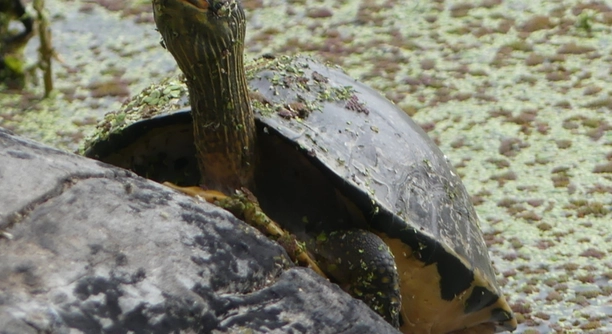
Indian roofed tortoises are fascinating creatures that require proper care to thrive. Unfortunately, their shells are vulnerable to various health issues. Shell rot is one such problem that can harm their well-being, so it’s important to understand how to prevent it.
Shell rot in Indian roofed tortoises is typically caused by poor habitat conditions, improper humidity levels, bacterial infections, injuries, and improper diet. The condition leads to damage and infection of the shell, causing pain and potential long-term harm if untreated.
Ensuring proper care and understanding the causes of shell rot can significantly improve your tortoise’s quality of life. Prevention is key to avoiding this painful condition, and knowing the right steps can make all the difference.
Poor Habitat Conditions
One of the main factors that lead to shell rot in Indian roofed tortoises is poor habitat conditions. Tortoises need a well-maintained environment to stay healthy, which includes the right temperature, humidity, and space. If their enclosure is too wet or too dry, it can create an ideal environment for bacteria to thrive, causing infections. Inadequate ventilation can also trap moisture, contributing to shell rot. It is important to keep the habitat clean, dry, and well-ventilated to prevent this issue. The substrate should be dry but not dusty, and the tortoise’s living area should be cleaned regularly to reduce any bacteria buildup.
Regularly check the humidity and temperature of the enclosure to ensure they are within the proper range. A thermometer and hygrometer can help you monitor these levels. Make sure your tortoise has access to a dry area for basking to help maintain healthy shell conditions. If the enclosure is too humid, consider using a dehumidifier or adding extra ventilation to help control moisture levels.
Properly maintaining your tortoise’s habitat will greatly reduce the risk of shell rot and other health problems. A healthy and comfortable environment is essential to your tortoise’s overall well-being.
Improper Diet
An improper diet can also contribute to shell rot in tortoises. Tortoises need a balanced diet with the right amount of fiber, vitamins, and minerals. A lack of calcium in their diet can weaken their shells, making them more prone to damage and infections. Providing a diet with too much protein can lead to imbalanced growth, causing issues with the shell’s strength and health.
Tortoises thrive on a variety of leafy greens, grasses, and some fruits. It’s crucial to avoid feeding them too many sugary foods or high-protein items like commercial tortoise pellets, which may not be the best option. A properly balanced diet strengthens the shell, helping to avoid potential issues like shell rot. The addition of calcium-rich foods, such as kale or dandelion greens, can help support shell development and prevent brittle or weak shells.
By carefully selecting and offering a diet rich in nutrients, you’ll help keep your tortoise’s shell strong and healthy. Avoiding the overfeeding of protein-heavy foods is a key step in preventing shell rot.
Bacterial and Fungal Infections
Bacterial and fungal infections are among the leading causes of shell rot in Indian roofed tortoises. When the tortoise’s shell is damaged or compromised, bacteria or fungi can enter, causing infections that worsen over time if left untreated. These infections are most common when the tortoise’s shell becomes softened or cracked, allowing harmful microorganisms to infiltrate. Proper cleaning and disinfecting of your tortoise’s habitat are crucial in preventing such infections. If the living space is not properly maintained, harmful bacteria can easily grow, increasing the risk of infection.
To protect your tortoise, make sure to regularly clean its enclosure and change the substrate. Avoid using harsh chemicals that could harm your pet. A safe and effective disinfectant can help eliminate harmful bacteria. If you notice any signs of infection, such as a soft or discolored shell, it’s essential to act quickly. Consult a vet for advice on treatment and ensure your tortoise’s shell is cared for promptly to avoid more serious health concerns.
Preventing bacterial and fungal infections requires maintaining a clean habitat and watching for early signs of shell damage. Taking quick action to clean and treat your tortoise’s shell can prevent further complications from developing.
Injuries and Trauma
Injuries or trauma to your tortoise’s shell are a direct path to shell rot if not treated properly. Whether from a fall, a fight with another animal, or even accidental damage within its enclosure, any injury to the shell can open a door for bacteria or fungi to take hold. Sometimes, the damage might not be visible immediately but could show signs later, such as soft or discolored spots on the shell.
It’s important to regularly inspect your tortoise for any signs of injury, especially after cleaning or moving it around its habitat. If you notice any cracks or dents, clean the area gently and apply a mild disinfectant. Keep the tortoise in a safe, controlled environment to prevent further injury. Additionally, make sure any items in the enclosure are not sharp or dangerous that could cause accidental damage to the shell.
Ensuring your tortoise’s shell stays intact is crucial for preventing shell rot. Protecting it from injury and addressing damage quickly can keep your tortoise healthy and safe from infections.
Poor Hygiene and Maintenance
Keeping your tortoise’s habitat clean is another essential factor in preventing shell rot. Poor hygiene can lead to the buildup of bacteria, fungi, or mold, which increases the risk of infection and shell rot. Regular cleaning of your tortoise’s enclosure, along with proper maintenance of its food and water bowls, will keep harmful pathogens at bay.
A simple cleaning routine includes changing the bedding or substrate every week and wiping down surfaces with a pet-safe disinfectant. Clean the water bowl daily to ensure it remains free from bacteria. Wash any food bowls or utensils after each feeding to prevent contamination. Keeping the enclosure dry and free from standing water is key, as moisture can promote the growth of harmful microorganisms.
By maintaining a clean environment and practicing good hygiene, you can minimize the chances of shell rot. This simple habit can go a long way in keeping your tortoise safe and healthy, reducing the chances of infections that might harm its shell.
Overcrowding in the Enclosure
Overcrowding in a tortoise’s enclosure can stress the animal and lead to health issues like shell rot. When there are too many tortoises in one space, they might struggle for food, water, and shelter, creating an unhealthy environment. This stress weakens their immune system, making them more susceptible to infections.
A crowded space also makes it harder to maintain proper hygiene and temperature control. When there’s little room for each tortoise to bask or hide, their shells may not dry properly, which can contribute to shell rot. The humidity level can also fluctuate more easily, further increasing the chances of bacterial or fungal growth.
To avoid overcrowding, ensure your tortoise has enough space to move around comfortably. A general rule is to provide at least 10-15 square feet per tortoise in a controlled enclosure. This helps promote better health, reduces stress, and lowers the risk of shell rot.
Unregulated Temperature and Humidity
Temperature and humidity play a significant role in the health of your tortoise. If the enclosure’s temperature is too high or low, it can weaken your tortoise’s immune system, making it more vulnerable to shell rot. Similarly, improper humidity levels can cause the shell to soften and become more susceptible to infection.
Tortoises like the Indian roofed tortoise require a warm, dry environment with areas of both high and low temperatures. A basking spot should be provided, where your tortoise can regulate its body temperature. Additionally, a cooler side allows it to rest and recover when needed. Humidity should be controlled to avoid excessive moisture, which could encourage fungal or bacterial growth. A hygrometer can help you keep track of the moisture levels.
Regular monitoring of the enclosure’s temperature and humidity is necessary. If your tortoise’s environment is too humid or too dry, it can quickly lead to health issues, including shell rot. Adjusting these levels and providing proper basking opportunities can keep your tortoise safe and healthy.
Poor Shell Maintenance
Proper shell maintenance is essential to preventing rot. Sometimes, the shell can become weakened due to improper care or trauma. This can open up the tortoise to infections. While most tortoises are fairly independent in maintaining their shells, they still require help in some cases.
Occasionally, a tortoise’s shell may need to be trimmed if it has excessive growth, or the edges become damaged. This should be done cautiously and ideally by a professional to avoid injury. You should also check the shell regularly for cracks, sores, or soft spots. If you notice anything unusual, it is best to address the problem immediately to prevent further complications.
Regularly inspecting and maintaining your tortoise’s shell can go a long way in avoiding shell rot. Proper care and quick attention to any issues can prevent larger problems from arising down the road.
Incorrect Lighting
Proper lighting is essential for the health of your tortoise. Without the right balance of UVB lighting, your tortoise may not be able to properly absorb calcium, which can lead to shell damage and other health problems. Lack of UVB light can also weaken the immune system, making infections more likely.
Ensure your tortoise’s enclosure has proper UVB lighting, as it helps in calcium metabolism and overall shell strength. UVB bulbs should be replaced regularly, as their effectiveness decreases over time. Without adequate UVB light, your tortoise is at a higher risk of developing weak shells and other related health concerns.
Stress and Anxiety
Stress can negatively affect your tortoise’s immune system, increasing the chances of developing shell rot. Factors like frequent handling, loud noises, or the presence of other animals in the environment can all contribute to stress. A stressed tortoise is more likely to have weakened defense systems.
Reducing stress is essential to keeping your tortoise healthy. Create a calm and quiet environment for your tortoise, with minimal disturbances. Avoid unnecessary handling and provide a secure and private space for your pet to feel safe. A stable and relaxed environment can help prevent infections and shell rot from occurring.
Lack of Regular Vet Checkups
Regular vet checkups are vital in keeping your tortoise’s health in check. Even if no signs of shell rot or other illnesses are visible, a vet visit can detect problems before they worsen. Tortoises can hide symptoms of illness, so prevention and early detection are key.
Taking your tortoise to the vet for routine health checks ensures that any potential issues are caught early. A vet can help spot any underlying conditions, suggest proper care routines, and provide advice on diet, lighting, and habitat. Preventing shell rot is much easier when you monitor your tortoise’s health regularly.
FAQ
What are the first signs of shell rot in Indian roofed tortoises?
The first signs of shell rot often include soft or discolored areas on the shell, particularly around the edges. You may notice a foul odor, which is caused by bacterial or fungal infection. Sometimes, the shell may appear swollen or have visible sores. If the shell begins to soften, it is a sign that the infection is affecting the underlying layers. In more severe cases, pieces of the shell might start to fall off. It is essential to catch these signs early to prevent further damage and seek treatment.
How can I prevent shell rot in my tortoise?
To prevent shell rot, you need to maintain a clean and properly regulated habitat. Ensure your tortoise has the right temperature and humidity levels, and clean the enclosure regularly to avoid bacterial and fungal growth. Provide a balanced diet rich in calcium and monitor your tortoise for any signs of injury or infection. Proper lighting with UVB is also essential for shell health, as it helps with calcium absorption. Finally, avoid overcrowding the enclosure, as stress and lack of space can make your tortoise more susceptible to illness.
Can shell rot be cured in tortoises?
Yes, shell rot can be treated if caught early. Treatment typically involves cleaning the affected area, applying an antiseptic, and sometimes using topical antibiotics or antifungal medications. In severe cases, veterinary intervention may be necessary. Your vet may need to remove infected tissue, and the tortoise may require antibiotics or other medications to clear up the infection. Ensuring that the tortoise is kept in an optimal environment during recovery will help speed up healing and prevent further infection.
What causes shell rot in Indian roofed tortoises?
Shell rot is typically caused by poor environmental conditions, such as excess moisture, high humidity, or improper temperature. It can also be caused by physical injuries to the shell, poor diet, bacterial or fungal infections, and overcrowding. When the shell is damaged or weakened, it becomes more vulnerable to infection, which leads to rot. Poor hygiene, unregulated lighting, and lack of proper care can also contribute to the development of shell rot.
Is it safe to handle a tortoise with shell rot?
It’s not recommended to handle a tortoise with shell rot unless necessary for treatment. Handling can cause additional stress and potentially worsen the condition. If the tortoise’s shell is soft or infected, it’s best to minimize movement until it is properly treated. Always ensure you clean your hands thoroughly after interacting with a tortoise that has shell rot to avoid spreading any bacteria. Consulting with a vet before handling the tortoise is always a good idea.
Can diet affect shell rot in tortoises?
Yes, diet plays a significant role in preventing shell rot. A poor diet that lacks essential nutrients like calcium can weaken the shell and make it more susceptible to damage and infection. Tortoises require a high-fiber diet that includes leafy greens, grasses, and occasional fruits. Ensure your tortoise receives a balanced diet rich in calcium, as it helps maintain the strength and integrity of the shell. A deficiency in calcium can lead to a soft shell, which makes it prone to injury and infection.
How long does it take for a tortoise to recover from shell rot?
The recovery time for a tortoise with shell rot can vary depending on the severity of the infection. Mild cases may heal in a few weeks, while more severe infections can take several months to fully recover. The key to a successful recovery is early intervention and proper treatment. During the healing process, it’s crucial to provide the tortoise with a clean and dry environment, maintain optimal humidity and temperature levels, and follow the vet’s instructions on medication and care.
Can shell rot affect the internal organs of a tortoise?
If left untreated, shell rot can spread deeper into the shell and affect the underlying tissues and bones. In severe cases, the infection can potentially reach the tortoise’s internal organs, leading to systemic illness or sepsis. However, this usually only happens if the shell rot is not addressed promptly. Catching and treating the condition early can prevent it from reaching critical stages where it affects the tortoise’s overall health.
What is the best substrate for a tortoise enclosure to prevent shell rot?
A clean, dry, and non-abrasive substrate is ideal for preventing shell rot. Materials like coconut coir, orchid bark, or shredded paper are good choices as they help maintain proper humidity while not allowing moisture to sit directly on the tortoise’s shell. Avoid substrates that stay wet for long periods, like moss or soil, as they can create a breeding ground for bacteria and fungi. Always ensure that the substrate is changed regularly to maintain cleanliness and dryness.
Can shell rot spread to other tortoises?
Yes, shell rot can spread to other tortoises if the infected tortoise’s environment is not cleaned properly. Bacteria or fungi can linger in the habitat and infect other animals that come into contact with it. It’s important to isolate any tortoise showing signs of shell rot and thoroughly clean the entire enclosure before reintroducing other animals. Regular disinfection and maintaining a clean environment are crucial for preventing the spread of infections.
What should I do if I notice shell rot in my tortoise?
If you notice signs of shell rot in your tortoise, it’s important to seek veterinary care as soon as possible. The vet will assess the condition and may clean and treat the affected area. In some cases, the infected shell may need to be removed or treated with antibiotics. In the meantime, ensure the tortoise is kept in a dry, clean, and well-regulated environment. Avoid handling it too much to minimize stress. Prompt treatment will improve the chances of recovery and prevent the condition from worsening.
When caring for an Indian roofed tortoise, keeping an eye on their shell health is crucial. Shell rot can be a painful condition that, if not addressed early, can cause lasting damage. The key to preventing shell rot lies in maintaining proper environmental conditions, offering a balanced diet, and ensuring regular veterinary checkups. By keeping the tortoise’s habitat clean, dry, and properly regulated in terms of temperature and humidity, you can minimize the risks of shell rot. A well-cared-for tortoise will be much less likely to suffer from this painful condition.
Diet plays a major role in your tortoise’s shell health. Providing the right nutrients, especially calcium, is essential for strong shell development. A diet that includes leafy greens, grasses, and the occasional fruits will support a healthy shell and overall well-being. Avoiding an over-reliance on high-protein foods or commercial pellets will help keep your tortoise’s diet balanced. Additionally, proper lighting with UVB rays is necessary for calcium absorption, helping the tortoise maintain a strong and healthy shell. A proper diet ensures the tortoise has the strength to heal if it ever faces any injuries or infections.
Finally, regular observation and quick action are the best ways to keep your tortoise healthy and avoid shell rot. Early signs like discoloration, softness, or an unpleasant odor should prompt immediate attention. Taking your tortoise to the vet at the first sign of shell rot can prevent a minor issue from becoming a major one. Remember, a clean and safe environment, good nutrition, and proper care will go a long way in ensuring your Indian roofed tortoise lives a long and healthy life.

Hello,
If you enjoy the content that we create, please consider saying a "Thank You!" by leaving a tip.
Every little bit helps us continue crafting quality advice that supports the health, happiness, and well-being of pets around the world, for pets of all shapes, sizes, and species.
We really appreciate the kindness and support that you show us!