
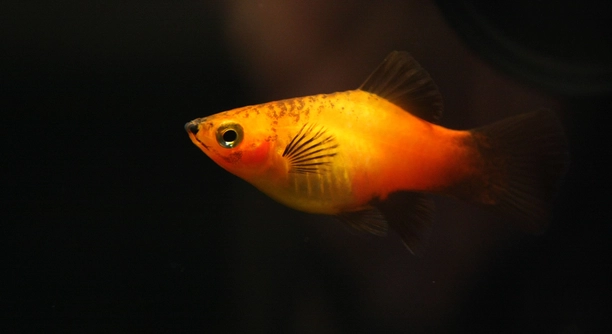
Platies are popular freshwater fish known for their vibrant colors and peaceful nature. Many aquarium owners enjoy keeping them because they are easy to care for and add life to any tank. However, some conditions can harm platies quickly.
Several factors can cause rapid death in platies, including poor water quality, sudden temperature changes, inadequate diet, overcrowding, disease, improper tank setup, and stress from aggressive tank mates. These issues disrupt their delicate balance and weaken their health.
Knowing what threatens your platies is important to keep them healthy and thriving. The following points will help you recognize and avoid common dangers that affect these beautiful fish.
Poor Water Quality
Water quality is one of the most critical factors for keeping platies alive. They need clean, well-filtered water with stable parameters. High levels of ammonia, nitrites, or nitrates can quickly poison platies, causing stress and illness. Regular water changes and proper filtration help maintain a healthy environment. Testing the water weekly ensures harmful chemicals stay low and the pH remains stable between 7.0 and 8.2. Sudden shifts in water parameters also stress the fish, making them vulnerable to disease. Avoid overcrowding the tank to reduce waste buildup, which worsens water quality. Keeping the tank clean and balanced will protect your platies from toxic conditions that can lead to a quick decline.
Water changes of 20-30% weekly are ideal for platies to keep water safe and healthy. Consistency is key to avoiding dangerous chemical spikes.
Proper water care creates a stable habitat. It supports platies’ immune systems and reduces the risk of infections or sudden deaths caused by toxic environments.
Sudden Temperature Changes
Platies are sensitive to sudden shifts in temperature. A stable temperature range between 70°F and 78°F is best for their health. Rapid changes, like those caused by faulty heaters or adding cold water, shock their systems. This shock weakens their immune response, making them prone to illness. Avoid placing the aquarium near windows, air conditioners, or heaters where temperature can fluctuate rapidly. Use a reliable heater with a thermostat to maintain a steady temperature. When doing water changes, ensure new water matches the tank temperature closely. Temperature stress can lead to lethargy, loss of appetite, and even death if not addressed quickly. Monitoring temperature daily helps prevent these issues and keeps platies comfortable.
Sudden temperature swings disrupt platies’ bodily functions and immune systems. Keeping water stable protects their overall well-being.
If temperature control is neglected, platies may develop diseases like ich or fungal infections more easily. A steady environment supports their metabolism and helps them thrive. Consistent temperature reduces stress and supports healing when minor illnesses occur. Using a thermometer and heater with accurate settings ensures the tank remains within a safe range. Proper acclimation of new fish to the tank’s temperature is also essential to avoid shock. Small adjustments over time help platies adapt better than abrupt changes. Maintaining this balance improves survival rates and promotes longer, healthier lives for your platies.
Inadequate Diet
A poor diet can quickly weaken platies, making them susceptible to disease. They need a balanced mix of protein, vegetables, and vitamins to stay healthy and active.
Feeding platies only flakes or low-quality food limits their nutrients. They require a varied diet including high-quality flakes, frozen or live foods like brine shrimp, and vegetable matter such as blanched spinach or peas. This variety supports growth, color, and immune function. Overfeeding can also cause problems by polluting the tank and leading to obesity. Feed small amounts two to three times daily and remove leftover food promptly. Maintaining a proper diet is essential to prevent malnutrition and promote longevity.
It’s important to observe your platies during feeding to ensure they are eating well. If they ignore food or lose weight, dietary adjustments or health checks may be necessary. A balanced diet directly impacts their energy and resistance to stress, contributing to their overall well-being.
Overcrowding
Overcrowding stresses platies and degrades water quality, increasing the risk of disease and death. Each platy needs enough space to swim freely and establish territories.
Too many fish in one tank cause competition for oxygen and food, which weakens immune systems. Overcrowding also raises waste levels, making water toxic without frequent cleaning. Stress from close quarters can lead to aggression or hiding behavior. A good rule is one inch of fish per gallon of water. Larger tanks allow more room and reduce conflict. Proper stocking prevents many health problems linked to cramped conditions.
Tank size and fish numbers must be balanced to avoid overcrowding. Giving platies ample space helps them thrive, reduces stress, and keeps the aquarium environment stable. Regular observation will show if fish seem stressed or lethargic, signaling the need for adjustments in stocking levels or tank maintenance. Ensuring enough room is a simple way to protect platies from rapid decline and disease outbreaks.
Disease and Infection
Diseases can spread quickly among platies if left unchecked. Common infections include ich, fin rot, and fungal growths.
Early signs like white spots, torn fins, or sluggish behavior should be addressed immediately with proper treatment and quarantine to prevent spreading in the tank.
Improper Tank Setup
Incorrect tank setup, such as lack of hiding spots or poor substrate choice, stresses platies. They need plants and decorations to feel secure and reduce anxiety.
A poorly maintained tank can lead to health issues, so creating a stable, comfortable environment supports their well-being and longevity.
Stress from Aggressive Tank Mates
Aggressive fish can harm platies by chasing or nipping fins. Constant stress weakens their immune system, leading to illness and death.
Choosing peaceful tank mates helps platies stay calm, healthy, and more likely to thrive in a community aquarium.
What causes platies to die suddenly?
Platies can die suddenly due to several reasons, with the most common being poor water quality, sudden temperature changes, or disease. When ammonia or nitrite levels spike, even briefly, it can poison the fish quickly. Temperature shock from rapid changes also weakens their immune system, making them vulnerable to infections. Additionally, infections like ich or bacterial diseases can spread fast in an overcrowded or stressed tank, leading to sudden deaths. It is important to monitor water conditions regularly and keep the tank environment stable to prevent these issues.
How often should I change the water in my platy tank?
Water changes should be done at least once a week, replacing about 20-30% of the tank water. This helps remove accumulated toxins like nitrates and keeps the environment healthy. Overfeeding and overcrowding can increase waste levels, so water changes may need to be more frequent in those cases. Always use dechlorinated water at the same temperature as the tank to avoid stressing the fish. Regular partial water changes are one of the simplest ways to maintain good water quality and reduce the risk of platy deaths.
What is the best diet for platies?
Platies thrive on a varied diet that includes high-quality flake food, frozen or live protein sources such as brine shrimp or bloodworms, and plant matter like blanched spinach or peas. Feeding only flakes or dry food can lead to nutritional deficiencies. Avoid overfeeding, which can pollute the tank and cause health problems. Feeding small amounts two or three times daily and removing uneaten food helps maintain water quality and keeps platies healthy and active.
Can overcrowding cause platies to die quickly?
Yes, overcrowding causes stress, poor water quality, and increased disease risk, all of which can kill platies quickly. Each platy needs enough space to swim and establish territory. Overcrowded tanks have higher waste levels, which can poison fish if not managed well. Stress from competition and aggression also weakens their immune systems. A good rule is one inch of fish per gallon of water, but providing more space is always better for their health and longevity.
How can I prevent diseases in my platy tank?
Preventing diseases involves maintaining excellent water quality, avoiding overcrowding, and providing a balanced diet. Quarantine new fish before adding them to the tank to reduce the risk of introducing infections. Regularly check for signs of illness such as white spots, torn fins, or lethargy. Treat diseases promptly with appropriate medication. Keeping the tank clean and stable supports the fish’s immune systems, reducing susceptibility to common infections like ich or fin rot.
Why do platies die after being introduced to a new tank?
Platies often die after being introduced to a new tank because of stress from poor acclimation, sudden water parameter changes, or exposure to pathogens. Transferring them too quickly can cause shock if the water temperature, pH, or hardness differs greatly. They may also face infections if the new tank is not fully cycled or cleaned properly. Gradually acclimating platies by slowly mixing tank water with their transport water before release can reduce stress and improve survival rates.
What signs indicate my platies are stressed?
Signs of stress in platies include hiding frequently, loss of appetite, rapid breathing, clamped fins, and erratic swimming. Stress often results from poor water quality, aggressive tank mates, sudden environmental changes, or overcrowding. If stress is not addressed, platies become vulnerable to diseases and may die quickly. Observing behavior regularly and maintaining stable conditions can help keep stress levels low and fish healthy.
Are there specific tank mates that should be avoided with platies?
Platies should not be kept with aggressive or fin-nipping fish like some cichlids or tiger barbs. Such species stress platies by chasing or biting them, which can cause injury and weaken their immune systems. Peaceful community fish like tetras, mollies, or guppies are better companions. Choosing compatible tank mates reduces stress and promotes a healthier environment where platies can thrive.
How important is tank decoration for platies’ health?
Tank decorations like plants and hiding spots are important for platies because they reduce stress by providing shelter and territory boundaries. This helps prevent aggression and gives them places to retreat if feeling threatened. Plants also improve water quality by absorbing nitrates. A well-decorated tank mimics their natural environment, contributing to their overall comfort and health.
Can temperature fluctuations be fatal for platies?
Yes, temperature fluctuations can be fatal. Platies need stable water temperatures between 70°F and 78°F. Sudden changes, especially drops in temperature, can cause shock that weakens their immune system and leads to illness. Using a reliable heater and thermometer helps maintain steady temperatures. Avoid placing the tank near windows or vents where temperature changes can occur rapidly. Consistency in temperature is crucial for platy survival and well-being.
Final Thoughts
Keeping platies healthy requires attention to several important factors. Clean water with stable conditions is the foundation for their well-being. Regular water changes and proper filtration help maintain a safe environment. Monitoring water parameters like ammonia, nitrites, nitrates, and pH is essential. Sudden changes in these levels can harm platies quickly. Providing a consistent temperature within their preferred range is also important to prevent stress. Small details such as avoiding overcrowding and selecting peaceful tank mates contribute greatly to their overall health.
Feeding platies a balanced and varied diet supports their immune system and energy. A mix of high-quality flakes, live or frozen foods, and some plant matter keeps them strong and vibrant. Overfeeding should be avoided to reduce water pollution and prevent obesity. Watching how your platies eat and adjusting their diet if they lose interest or show signs of illness can prevent many problems. Taking care of their diet is as crucial as maintaining water quality.
Stress is a major factor that can lead to rapid decline in platies. Stress results from poor water conditions, aggressive tank mates, overcrowding, or sudden changes in the environment. Creating a comfortable and stable habitat with plenty of hiding places helps reduce stress. Regular observation to catch early signs of illness or discomfort allows you to act quickly. Overall, a healthy platy tank is about balancing water quality, nutrition, space, and peaceful surroundings to ensure these colorful fish live longer, happier lives.

Hello,
If you enjoy the content that we create, please consider saying a "Thank You!" by leaving a tip.
Every little bit helps us continue crafting quality advice that supports the health, happiness, and well-being of pets around the world, for pets of all shapes, sizes, and species.
We really appreciate the kindness and support that you show us!