
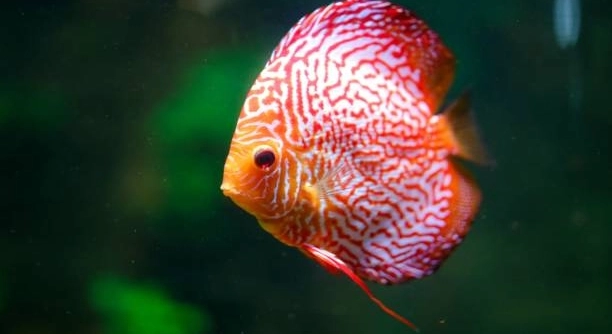
Discus fish are beautiful and popular pets in many home aquariums. Keeping them healthy requires careful attention to their environment and care routines. Knowing what can harm them instantly is important for any fish owner.
Several factors can cause instant death in discus fish, including poor water quality, sudden temperature changes, aggressive tank mates, improper feeding, diseases, toxins, and stress. These elements disrupt their delicate balance and lead to rapid health decline.
Understanding these risks will help you create a safer home for your discus fish and avoid common mistakes that threaten their well-being.
Poor Water Quality
Maintaining clean water is crucial for discus fish survival. They are very sensitive to changes in water conditions. If the water contains too much ammonia, nitrites, or nitrates, it can quickly harm them. Dirty water also encourages harmful bacteria and parasites that can infect your fish. Regular water changes and a good filtration system are necessary to keep toxins low. Monitoring water parameters like pH, hardness, and temperature will help you detect problems early. Sudden changes or poor water quality can cause stress, which weakens their immune system and leads to illness or death. It’s important to test the water regularly and take immediate action if levels are unsafe. Even small lapses in water care can have serious consequences for discus fish.
Keeping water clean is one of the simplest ways to protect discus fish from instant harm. Without it, survival is unlikely.
By prioritizing water quality, you help discus fish thrive in a healthy, stable environment. This reduces disease risk and supports their natural behavior and growth. Regular water checks and maintenance build a safer tank where discus can live comfortably.
Sudden Temperature Changes
Discus fish prefer stable temperatures around 82-86°F (28-30°C). Sudden drops or spikes in temperature stress their systems and can cause fatal shock. Temperature swings may happen due to heater failure, drafts, or moving fish between tanks without proper acclimation. Even a few degrees of change can weaken their defenses and trigger illness.
Rapid temperature fluctuations are a leading cause of instant death in discus fish.
To prevent this, use a reliable heater and thermometer. Avoid placing the tank near windows or vents that cause temperature swings. When introducing new fish, acclimate them slowly to the tank temperature to avoid shock. Consistency is key for discus health and longevity.
Aggressive Tank Mates
Aggressive fish can attack discus fish, causing injuries or stress. Discus are peaceful and do not defend themselves well. Keeping them with aggressive species often leads to instant harm.
Aggressive tank mates disrupt discus fish’s calm environment. Stress from bullying weakens their immune system, making them more vulnerable to disease and death. Physical attacks can cause wounds that get infected quickly. It’s best to choose peaceful fish that coexist well with discus, such as tetras or corydoras. Avoid aggressive species like cichlids or large barbs, which may see discus as competition or prey. A harmonious tank reduces stress and supports discus health.
Selecting compatible tank mates improves overall tank harmony. Peaceful companions allow discus to swim and feed comfortably without fear, promoting their wellbeing and longevity.
Improper Feeding
Overfeeding or feeding poor-quality food can quickly harm discus fish. Excess food pollutes the water, while nutritional imbalances weaken their health. A proper diet is key to survival.
Discus fish require a balanced diet rich in protein and vitamins. Feeding them frozen or live foods like bloodworms and brine shrimp, supplemented with high-quality flakes or pellets, provides necessary nutrients. Overfeeding causes leftover food to decay, degrading water quality and stressing fish. Underfeeding or poor nutrition weakens their immune system, leaving them open to infections and diseases. Feeding small amounts 2-3 times daily ensures discus get enough without fouling the tank. Monitoring their appetite and adjusting portions helps maintain a healthy feeding routine.
Correct feeding supports discus fish’s immune defenses and energy levels. A proper diet prevents rapid health decline and keeps them vibrant and active in your aquarium.
Diseases and Parasites
Diseases and parasites can kill discus fish very quickly if not treated. Common problems include bacterial infections, fungal growth, and external parasites like ich.
Early detection and treatment are essential. Quarantining new fish before adding them to the main tank helps prevent outbreaks. Keeping the tank clean reduces disease risk. Use medications as directed to control infections.
Toxic Substances
Toxic substances such as chlorine, heavy metals, or chemicals from decorations can harm discus fish instantly. These toxins damage their gills and organs, causing rapid death.
Always use water conditioners to remove chlorine and metals before adding water to the tank. Avoid untreated tap water or unsafe decorations that might leach harmful chemicals into the environment.
Stress
Stress weakens discus fish and makes them vulnerable to quick death. Stressors include overcrowding, poor water conditions, and loud noises. Managing the tank environment carefully helps reduce stress.
A calm and stable tank supports discus health and prevents sudden loss due to stress-related causes.
What causes sudden death in discus fish?
Sudden death in discus fish usually happens because of poor water quality, extreme temperature changes, or stress. These factors weaken their immune system very fast. Diseases and parasites also play a big role, especially if they aren’t treated early. Aggressive tank mates and toxic substances in the water can cause immediate harm as well. Maintaining a stable environment and proper care lowers the risk of sudden loss.
How can I prevent water quality issues for my discus?
Regular water testing and changes are key. Check ammonia, nitrites, nitrates, pH, and hardness weekly. Use a good filtration system and avoid overcrowding the tank. Change about 20-30% of the water every week to keep it fresh. Avoid overfeeding, since leftover food decays and pollutes the water. Using water conditioners can help remove harmful chemicals like chlorine or heavy metals. Clean the tank decorations regularly without harsh chemicals.
Why is temperature control so important for discus fish?
Discus fish need a warm and stable temperature between 82°F and 86°F (28-30°C). Sudden drops or spikes stress them and may cause shock or death. A reliable heater and thermometer help keep temperature steady. Avoid placing the tank near windows, vents, or doors where air drafts can change the water temperature quickly. When moving fish to a new tank, acclimate them slowly to prevent temperature shock.
What are the signs of stress in discus fish?
Signs include clamped fins, loss of color, hiding, reduced appetite, and rapid breathing. Stress can make discus more vulnerable to disease and infections. Overcrowding, poor water conditions, and aggressive tank mates often cause stress. Loud noises or sudden movements near the tank can also disturb them. Keeping the environment calm and stable helps reduce stress and keeps discus healthy.
How do I choose compatible tank mates for discus?
Pick peaceful fish that don’t nip fins or compete aggressively for food. Small tetras, corydoras catfish, and some dwarf gouramis are good companions. Avoid large or aggressive fish like some cichlids, barbs, or aggressive bottom dwellers. A peaceful community tank helps discus feel safe and reduces stress, which supports their long-term health.
What is the best diet for discus fish?
Discus fish need a balanced diet high in protein. Feed them frozen or live foods like bloodworms, brine shrimp, and daphnia. High-quality flakes or pellets designed for discus can supplement their diet. Feed small portions 2-3 times daily to avoid overfeeding and water pollution. Rotate food types to provide all essential nutrients and keep discus active and healthy.
How should I quarantine new discus fish?
Quarantine new fish in a separate tank for 2-4 weeks before adding them to the main aquarium. Monitor for signs of illness or parasites during this time. Treat any problems early to avoid spreading infections. Quarantining protects your current fish and helps keep the tank disease-free.
What medications are safe for treating discus fish?
Use medications specifically made for tropical fish and discus. Common treatments include antibacterial, antifungal, and antiparasitic drugs. Follow the instructions carefully and avoid overuse, which can harm beneficial bacteria in the tank. Always remove activated carbon from filters during medication, as it can absorb the medicine and reduce effectiveness.
How often should I clean my discus tank?
Perform partial water changes weekly, about 20-30%. Clean the substrate gently to remove waste, but avoid disturbing beneficial bacteria. Rinse filter media with tank water to keep it functional without killing helpful microbes. Avoid harsh chemicals or soap on decorations or equipment. Keeping the tank clean reduces disease risk and supports healthy fish.
Can stress cause instant death in discus fish?
Yes, extreme or prolonged stress can weaken discus fish rapidly. Stress lowers their immunity and may trigger fatal infections or shock. Avoid overcrowding, aggressive tank mates, sudden water changes, and loud disturbances. Maintaining a peaceful, stable environment is essential to prevent stress-related deaths.
Discus fish are delicate and require careful attention to thrive. Many factors can harm them quickly, from water quality to stress. Keeping their tank clean, stable, and comfortable is essential to avoid sudden health problems. By regularly checking water conditions and maintaining the right temperature, you create a safer environment for your fish. It is important to be consistent with these tasks, as discus fish do not handle sudden changes well.
Feeding discus fish the right food in the right amounts also plays a big role in their health. Overfeeding or giving poor-quality food can pollute the water and weaken the fish’s immune system. Choosing peaceful tank mates is another key step. Aggressive fish can cause injuries or stress, which can lead to instant death. Taking time to choose compatible companions makes the tank more peaceful and better for discus fish.
In the end, successful discus keeping depends on patience and regular care. Being aware of common risks and acting quickly if problems arise can save your fish. Using quarantine tanks for new arrivals, monitoring for disease, and reducing stress are all important practices. With the right care, discus fish can live long, healthy lives and bring beauty to your aquarium. Staying informed and careful helps prevent many problems before they start.

Hello,
If you enjoy the content that we create, please consider saying a "Thank You!" by leaving a tip.
Every little bit helps us continue crafting quality advice that supports the health, happiness, and well-being of pets around the world, for pets of all shapes, sizes, and species.
We really appreciate the kindness and support that you show us!